Four Disciplines, One Championship: What Hotel GMs Can Learn From Indy Car
A hospitality finance coach draws a direct line from Indy Car's four track types — 220-mph super speedways to street circuits — to the four pillars a hotel GM must master, financials above all.
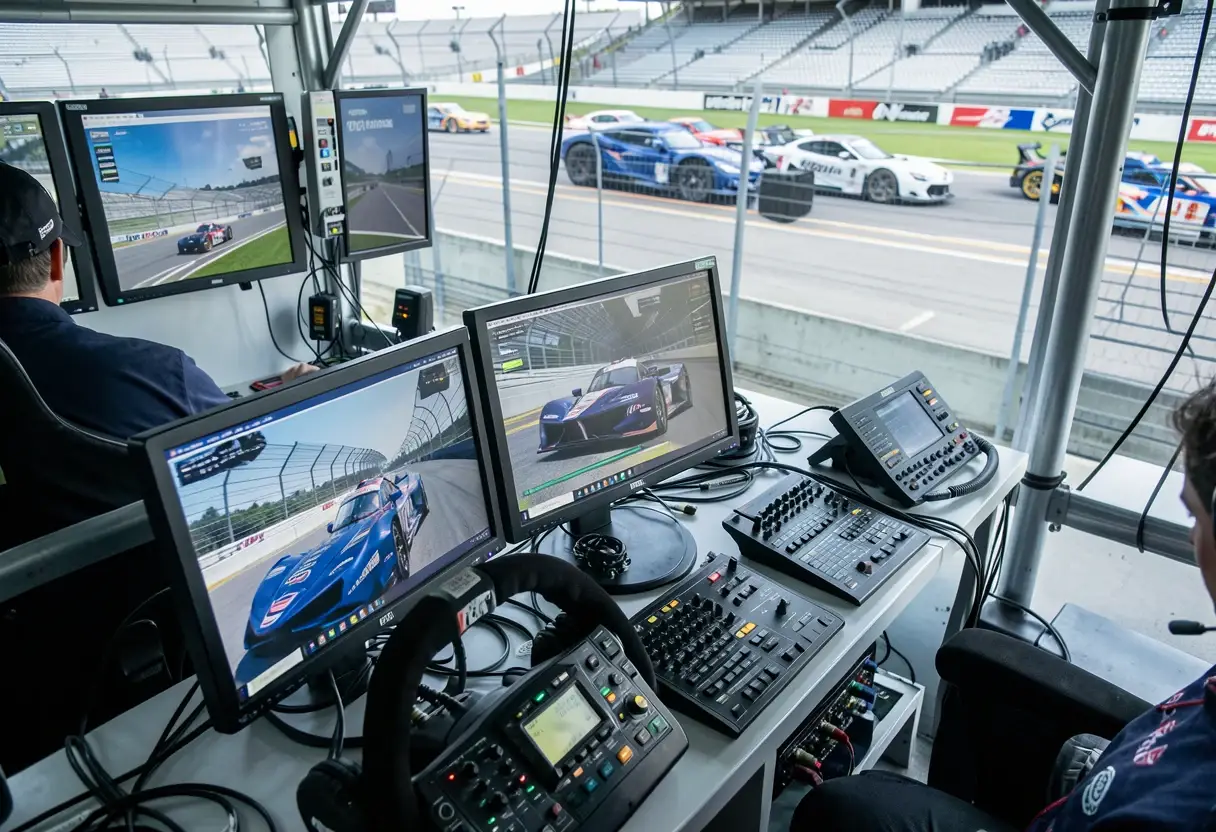
Indy Car champions must master four distinctly different track types at speeds above 220 miles per hour — and a hospitality financial coach argues that hotel executives face an almost identical test across four pillars of the business.
The argument comes from David Lund, the hotel financial coach behind Hospitality Financial Leadership, and it's built on a simple mechanism. Indy Car, he writes, is "the purest form of auto racing on the planet" because it demands multi-disciplinary drivers. A series title goes to whoever performs across every venue category, not just one. Hotel leadership, in his framing, works the same way: skip a pillar and the numbers stack against you.
What are the four 'tracks' of the hotel business?
Lund maps the racing calendar directly onto a hotel's core constituents:
- Super speedways — the guest. The Indianapolis Motor Speedway is the classic example: more than 2 miles long, lap speeds past 220 mph (355 kph), 500 miles of left turns. In hotels, the guest is the forward-facing "be all and end all" — the discipline everyone watches.
- Permanent road courses — colleague engagement. These winding circuits, like Watkins Glen or Sonoma in North America, demand leaders others want to follow. Engaged managers plus strong guest service produce the guest experience.
- Short ovals — the brand. Phoenix- and Nazareth-style "bull rings" run sub-20-second laps, all action. A strong brand or hotel name creates equity and differentiates the property from competitors; Lund calls mastering the brand value proposition key.
- Street circuits — the financials. Toronto- and Long Beach-style courses are tight, fast and rough, rebuilt from city streets each year. Financial mastery, Lund says, is often the missing link to the championship.
Where does the money fit in?
The most pointed part of the piece targets a widely repeated industry slogan. Lund grew up on "look after the guests and the money looks after itself" — and he calls it flatly untrue.
"The money never looks after itself," he writes.
His position: too many hoteliers delegate the numbers entirely to the Director of Finance. The seasoned GM, by contrast, treats the financials as the turbo boost needed to win it all, and builds a management team where every department head has their own financial act together.
What does this change for hotel operators?
Practically, nothing operational — this is an argument about leadership structure, not tactics. The takeaway is a hiring and development one: a GM strong on service, engagement and brand but weak on financial literacy is, in Lund's analogy, a driver who only wins on one track type. Over a full season, that's a losing position.
Lund says the payoff is cultural as much as competitive. Once a leader knows the secret to winning the game and the season, "the whole deal just gets to be a whole lot of fun." Running a hotel with managers who each own their financial piece, he writes, feels like being the driver at Indy.
More from Olivia Hart
Show full bio
Staff writer covering regulation, policy and their impact on Restaurant and hotel operations at The Pass Brief.
788 articles