Himachal Pollution Board Fees Rise Up to 150% for Small Hotels
Himachal Pradesh's pollution board raised consent fees up to 150%, pushing five-year CTO costs for small Green-category hotels to ₹1.80 lakh. Closure notices have followed non-payment.
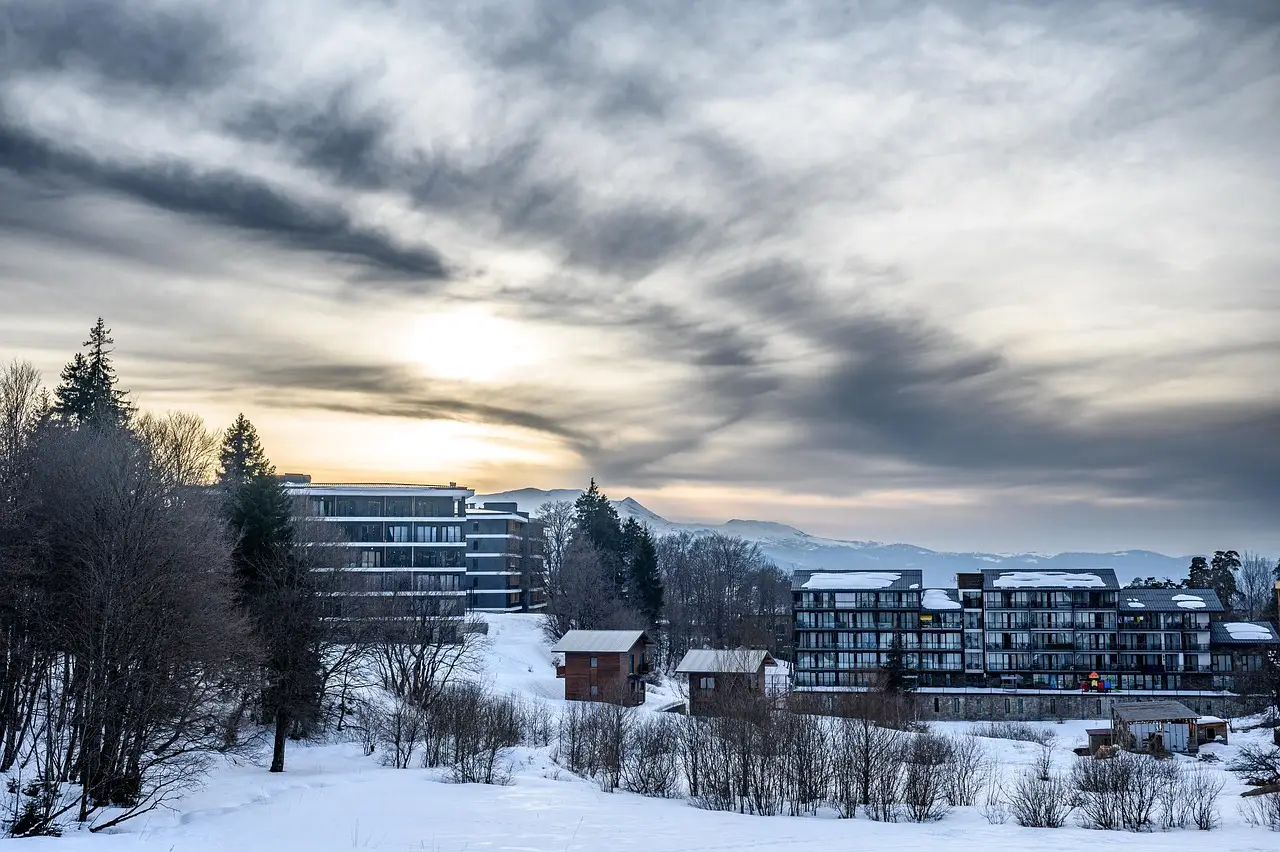
Small hotels in Himachal Pradesh face a 150% increase in pollution-board compliance costs after the State Pollution Control Board revised its Consent to Establish (CTE) and Consent to Operate (CTO) fees.
The steepest hit lands on the smallest operators. Hotels in the Green category — establishments with 10 to 13 rooms and a project cost of up to ₹1.50 crore — will now pay ₹1.80 lakh for a five-year CTO, up from ₹72,000 under the previous schedule. That is an additional ₹1.08 lakh over the consent period. On an annual basis, the same establishments pay ₹36,000, against ₹14,400 before the revision.
The board sets fees according to an establishment's pollution category and project cost. Himachal Pradesh classifies businesses into color-coded categories (Green, Orange and Red, scaled by environmental impact), and the revised structure raises costs across both new and existing properties statewide.
How much do larger hotels pay?
The Orange category, which covers establishments with more than 20 rooms, faces heavier bills. Depending on project cost, estimated five-year fees range from ₹3 lakh to ₹5 lakh. The fee calculation ties directly to the category of the establishment and its capital investment, meaning larger properties absorb proportionally larger consent charges.
The revision applies to both new and existing establishments, which broadens the impact across the state's tourism sector. Himachal's hotel market includes numerous small businesses operating with limited financial reserves, and operators have flagged the higher charges as a threat to their viability.
Are hotels being shut over non-payment?
Some already are. The Pollution Control Board has reportedly issued closure notices to establishments that have not paid the revised fees. The enforcement action has intensified anxiety among tourism entrepreneurs, who fear the higher charges will squeeze smaller hotels already managing rising operational expenses.
What is the industry asking for?
The Himachal Hotels and Restaurant Associations has urged the state government to reconsider the fee structure. The association's core argument: small tourism establishments should not be treated on the same footing as large industrial manufacturing units, given the differences in their scale of operations and financial capacity.
The industry has called for a more balanced approach that accounts for three factors:
- the size of each establishment
- its project cost
- its contribution to the state's tourism economy
That last point carries weight in a state where tourism is a pillar of the economy. For a 10-room property, ₹1.08 lakh in added consent fees over five years is a material line item against thin margins, and the closure notices convert a cost dispute into an existential one for non-payers.
The state government has yet to respond publicly to the association's request. Unless the board recalibrates its categories or introduces a small-operator tier, the revised fees stand — and the next round of consent renewals will show how many small properties absorb the cost, delay payment, or close.
More from Rebecca Stone
Show full bio
Senior reporter covering technology and product news in Restaurant and hotel operations at The Pass Brief.
569 articles