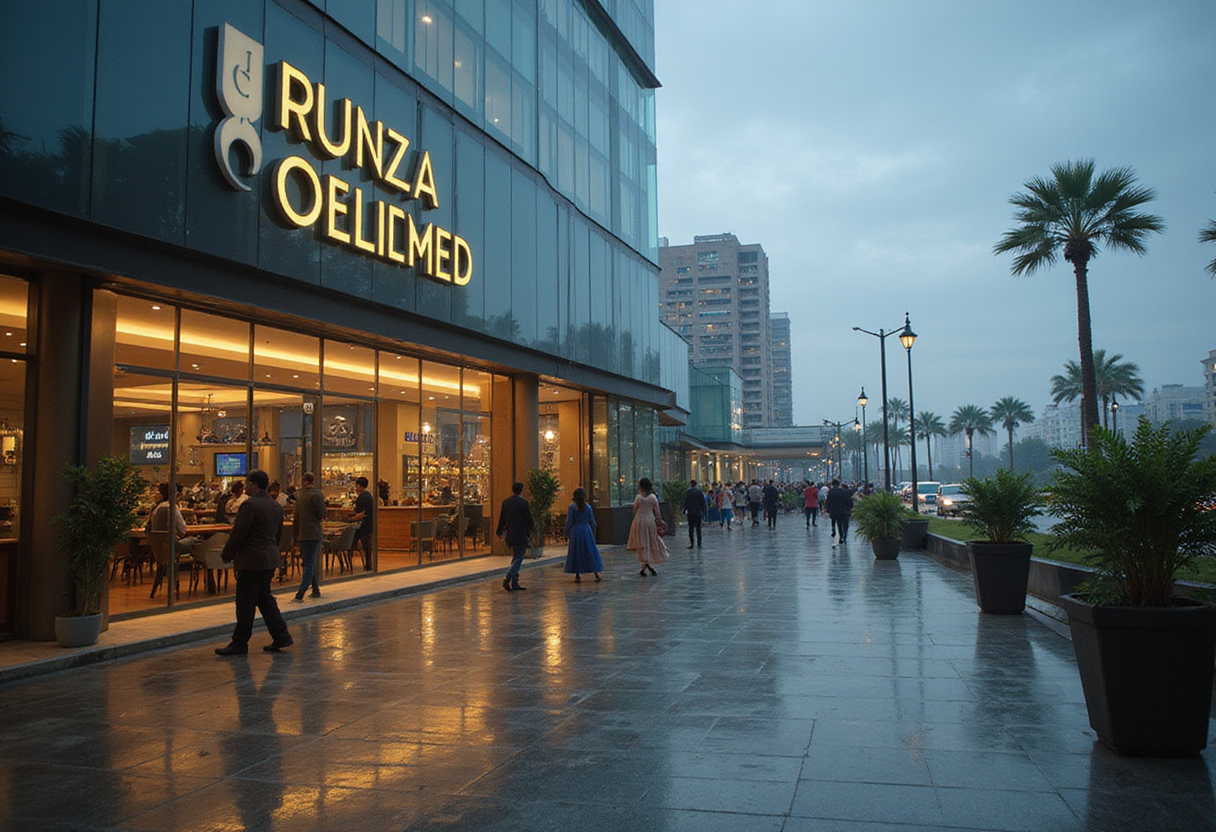
UP hotel investment pipeline tops ₹44,250 crore on tourism boom
Uttar Pradesh's hotel investment pipeline has crossed ₹44,250 crore, Business Standard reported, as a tourism boom drives a fresh wave of hospitality capital into the state's lodging sector.
Uttar Pradesh's hotel investment pipeline has crossed ₹44,250 crore, Business Standard reported, as a tourism boom in the state pulls a fresh wave of hospitality capital into the lodging sector.
The figure — published in a Business Standard headline — places UP among India's larger active hospitality investment markets and signals continued operator confidence in the state's room-demand outlook.
What the headline tells us
The headline frames the ₹44,250 crore figure as a pipeline total: announced and under-construction hotel projects aggregated across Uttar Pradesh. The report does not break out the figure by operator, segment, or geography, but the scale of the commitment points to sustained private-capital deployment in the state's lodging sector.
For operators reading the headline, a pipeline of this size typically implies several downstream effects across both new-build economics and operating fundamentals:
- Significant construction cost absorption across primary and secondary markets
- Land-price pressure in gateway cities as developers compete for sites
- Branded supply growth that will eventually shape rate structures in supply-constrained submarkets
- Increased competition for management contracts across Tier 2 and Tier 3 markets
- Movement in check averages as new full-service and limited-service supply enters the mix
- Wage pressure in markets that have not yet built up service-sector labor pools
Why operators are committing capital
Business Standard attributes the pipeline expansion to a tourism boom in Uttar Pradesh, one of India's most populous states. The boom framing points to rising visitor demand translating into the room-night growth that operators typically require before committing new-build capital at scale.
A tourism boom of this scale changes the cost-of-goods calculus for new operators: higher room-night volumes allow properties to spread fixed operating costs across more covers, while rising average daily rates support the service levels lenders typically require before green-lighting construction finance.
What operators will track next
A headline figure of this size — without the granular project data operators usually want — leaves three questions that subsequent reporting will need to answer:
- Which chains, ownership groups, and management companies drive the ₹44,250 crore total
- How the pipeline splits between luxury, upper-midscale, midscale, and economy segments
- The opening-date distribution across the state's gateway and emerging markets
The segment mix matters: a pipeline dominated by upper-midscale and economy brands absorbs demand at a different price point than a luxury-heavy build-out, and the skew will determine how quickly new supply compresses RevPAR growth in mature markets. Operators evaluating market entry will also watch for clarity on whether the development runs company-operated, franchised, or under management contract — a distinction that affects labor cost structures and operator margin profiles materially.
What comes next
Business Standard's headline points to continued capital deployment in UP hospitality, though a detailed breakdown of the projects, operators, and timelines behind the ₹44,250 crore figure has not yet been published. Sector analysts will look for follow-up reporting that names the specific chains, ownership groups, and opening dates now in the queue — and that clarifies whether the pipeline runs through company-operated, franchised, or management-contract development models.
More from Daniel Okafor
Show full bio
Correspondent covering consumer brands and retail at The Pass Brief.
216 articles