Hawaiian Bros Signs 52-Unit Florida Development Agreement
Hawaiian Bros has signed a 52-unit development agreement covering Florida, the brand's first state-level expansion. The partner, submarkets, and timeline were undisclosed in the source.
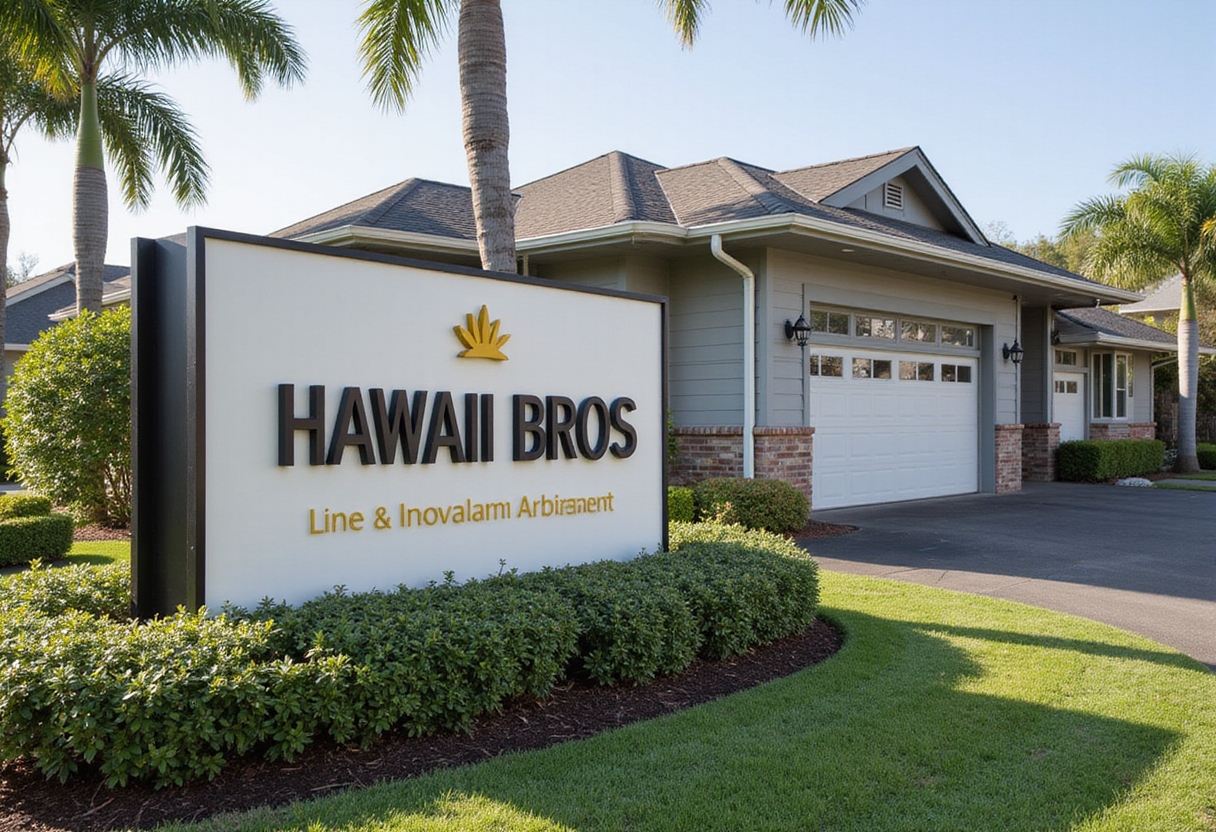
Hawaiian Bros has signed a 52-unit development agreement covering Florida, the brand's first state-level expansion, according to Retail & Leisure International.
The deal commits the chain to 52 restaurants across the Florida market under a multi-unit development structure.
What is a development agreement?
That contract format is a workhorse of restaurant franchising: an operator takes on the obligation to build a defined number of units within a set territory and timeframe, in exchange for development fee terms and territorial exclusivity. The structure exists to seed new regions quickly, replacing the slow drip of single-unit franchising with a coordinated rollout that gives a brand a recognizable regional presence in three to five years rather than a decade.
A 52-unit commitment is unusually large for a state entry. Most fast-casual concepts entering an unfamiliar market open with five to ten units in year one and build from there. A deal of this size at signing typically points to one of three scenarios: a franchisee group with deep regional capital and operating infrastructure, a corporate-led expansion plan, or a hybrid. The source announcement doesn't specify which, nor does it name the development partner.
What does this change for Florida operators?
Competitive timing compresses the moment a 52-unit pipeline activates. Independent restaurants and regional chains in the same cuisine segment will see brand recognition, marketing spend, and real estate activity at a scale they can't match. That pressure usually shows up first in lease pricing for retail pads and in the labor pool for line staff — the two line items most exposed to a new brand entering at scale.
The source doesn't detail the financial structure, the per-unit investment range, or whether the 52 units are franchised, company-operated, or a mix. It also doesn't name the Florida submarkets or the build-out timeline. Those are the details operators watch for, since they translate a deal's headline number into unit economics. The math — rent, labor, food cost, check average — is what turns a signed agreement into operating restaurants.
For the Hawaiian-style segment broadly, the deal is a notable signal. A 52-unit commitment in a major state market suggests the brand is reading a runway that single-market operators haven't yet captured. Whether that read holds depends on whether the format translates to a Florida audience that hasn't historically been the category's core customer base.
What to watch: the development partner's identity, the first Florida opening date, and the submarkets selected for the initial wave. The size of the deal points to commitment, not testing — Hawaiian Bros is treating Florida as a flagship market, and the brand or partner's next announcement will be the first real test of whether that scale of entry can carry the unit-level economics.
More from Olivia Hart
Show full bio
Staff writer covering regulation, policy and their impact on Restaurant and hotel operations at The Pass Brief.
351 articles