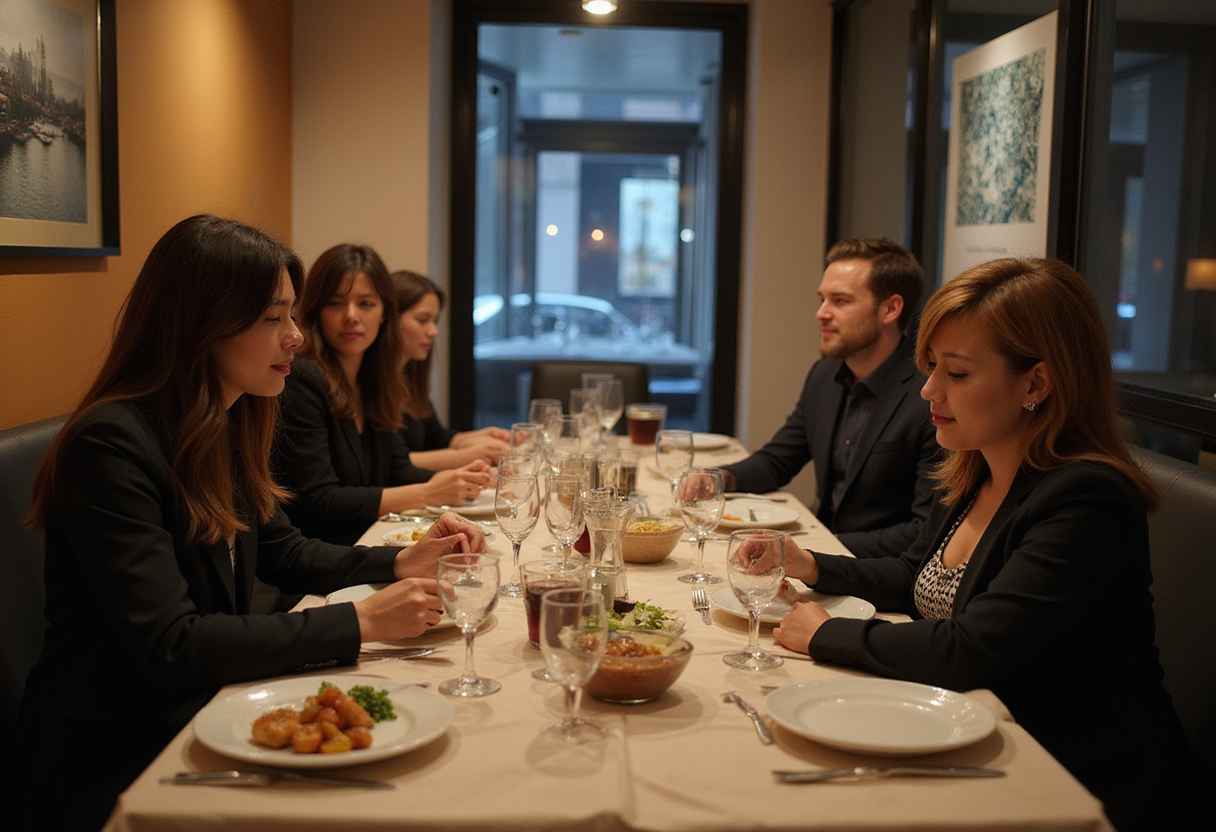
Ex Frankie & Benny's in Sunderland to become award-winning Indian restaurant
A Frankie and Benny's site in Sunderland is giving way to an award-winning Indian restaurant, the latest datapoint in the chain-to-specialist conversion trend reshaping UK high streets.
A Frankie and Benny's site in Sunderland is on its way out. An award-winning Indian restaurant is moving in.
That single swap, reported by The Northern Echo, captures a shift that has been reshaping British high streets for the better part of a decade: mid-market casual-dining chains giving up units to regional specialists who can run them on a different cost base.
Frankie and Benny's, the New York-Italian themed brand operated by The Restaurant Group, has been shrinking for years. The wider casual-dining cohort it sits in — Prezzo, Chiquito, Byron, the list is long — contracted sharply after 2019, hammered by pandemic closures, energy costs, the national living wage, and a consumer base that has migrated toward either quick-service at the low end or destination dining at the top.
Indian operators, by contrast, have kept opening. Industry surveys consistently rank Indian and Bangladeshi restaurants among the most resilient categories in UK hospitality, and the segment produces a steady pipeline of award-recognised, second-generation brands scaling from one site to several. Awards matter here: they give a small operator the marketing premium needed to fill a unit that was, until recently, a familiar chain.
What does the conversion change for Sunderland?
The economics of the swap matter as much as the cuisine swap. A former casual-dining box typically carries thousands of square feet, a commercial kitchen built around pizza and pasta production, and a customer base trained to walk in for a midweek family meal. An award-winning Indian operator walking into that shell has to decide quickly how much of the original fit-out to keep, what seating density the dinner-led model can carry, and what rent the unit will support on a tighter, higher-spend menu.
For landlords, the incoming tenant's brand equity is the selling point. A chain vacancy in a regional centre can sit empty for many months while agents wait for a national brand that may never come. An award-winning operator, even one taking on a second or third site, brings footfall and a marketing pull a generic letting does not.
For diners, the practical shift is straightforward: a different menu, a higher typical spend per head, a heavier dinner weighting, and a tighter lunch offer than the previous operator ran. Weekday lunch trade, the bread and butter of the casual-dining model, often thins under a specialist tenant.
The brand-out, brand-in pattern is now standard procedure on the UK high street. The Northern Echo report does not name the incoming operator, specify the award, or give an opening date, but the headline alone marks the unit as the next datapoint in a familiar story. The chain leaves, the specialist takes the keys, and the high-street mix shifts another notch away from the casual-dining model that defined the 2010s.
More from Daniel Okafor
Show full bio
Correspondent covering companies, deals and strategy in Restaurant and hotel operations at The Pass Brief.
342 articles