Hand-Breaded Chicken Adds 100 Labor Hours Per Store, McDonald's Says Anyway
McDonald's hand-breaded chicken test adds 90-100 labor hours per store weekly and $100,000 per restaurant. Steijaert calls it a matter of how, not if.
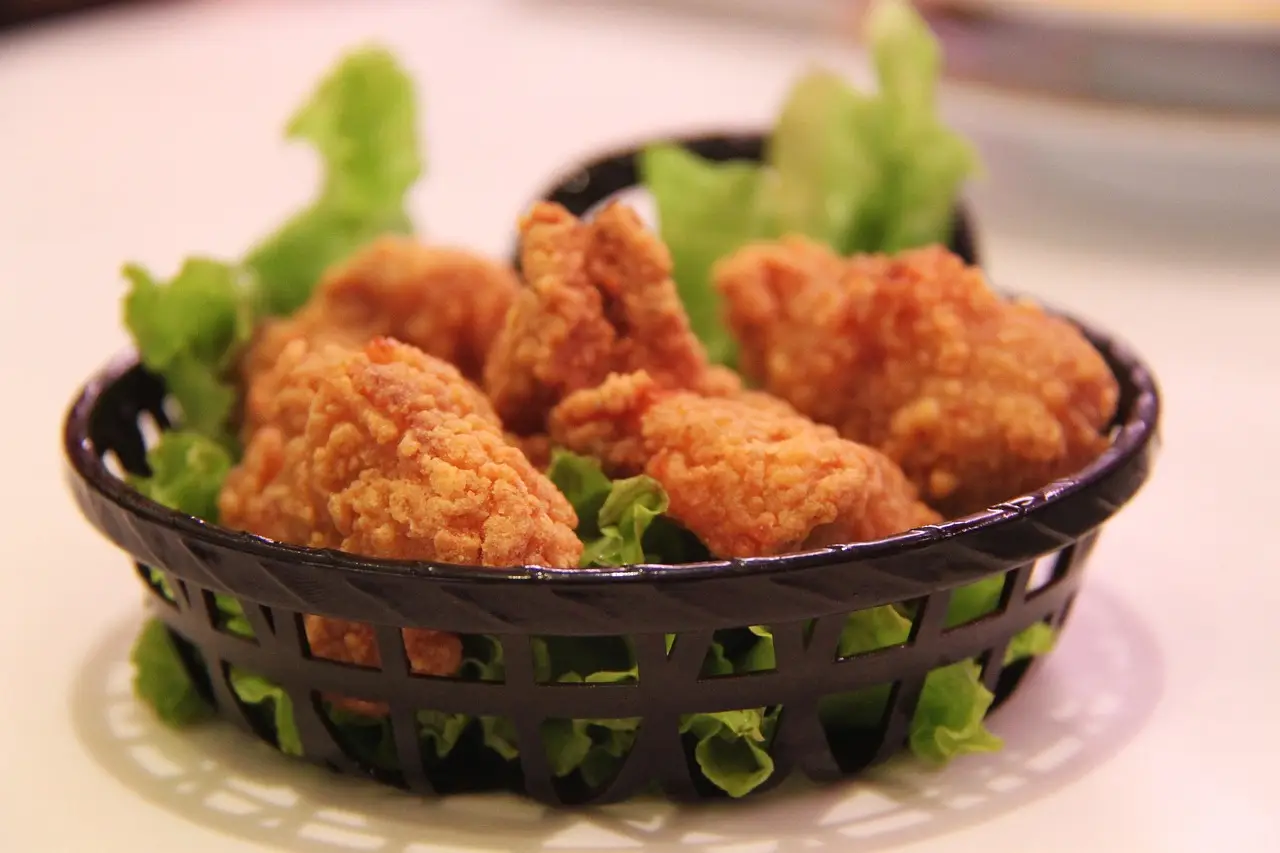
Hand-breaded chicken costs McDonald's operators $100,000 or more per restaurant and adds 90 to 100 labor hours per store each week. The chain is expanding the test anyway, from Chicago to more locations in the U.S. and Ireland, because the category math is hard to argue with.
"We have about 40% global share of beef," said Manu Steijaert, president of McDonald's International Operated Markets. "Beef grows about 3% a year. Chicken grows about 5% a year. We only have 20% (market share in chicken). If you think about our fair share, you can see it's a massive potential growth opportunity."
The arithmetic favors chicken. The labor does not. Steijaert acknowledged that some operators have expressed concern, and he did not say who absorbs the cost or how the hours fit into current labor budgets. That gap matters. A hundred hours a week is roughly two and a half full-time positions per store.
McDonald's answer is experience. The company already hand-breads chicken in 10,000 restaurants in Asia, Steijaert said, and it is taking the U.S. and Ireland tests slowly to learn the operations. "This is not a discussion about if," he said. "It's becoming a discussion about how. And if anybody can do it, we should be able to." That is confidence, not proof. The Asia operations were built from scratch, not retrofitted into existing U.S. kitchens.
Who is Manu Steijaert?
Steijaert is a McDonald's lifer. His father opened a McDonald's in Belgium in 1978, when Steijaert was five. He worked in the restaurants from age 13 and ran the family business for two years when his father fell ill before joining the corporate side. "I basically never looked back," he said.
He has since served as the company's chief customer officer and created Speedee Labs, the chain's innovation center. His current division, International Operated Markets, covers the company's most developed markets: Canada, the U.K., France, Australia and others. These are largely company-operated territories, distinct from the franchised structure that dominates the U.S.
The interview took place at the Global Restaurant Leadership Conference at the J.W. Marriott in Cannes, France, against a backdrop tracked by Technomic: Top 500 chain restaurant sales slowed again in 2025 as consumers cut back on dining, while coffee, beverages, snacks and chicken outperformed.
How much menu freedom do markets have?
Global core items like the Big Mac and fries stay fixed. Individual markets can vary 30% of the menu. France carries the Chicken Paprika with curry sauce. That flexibility also feeds marketing: the U.K. ran a promotion last year called World Menu Heit — the Big Rosti from Germany, with potato rosti, bacon and a baconnaise-cheese sauce, and Chicken McWings from China, with Szechuan pepper sauce.
"If you look at how consumers look at us, they consider us a global brand, and they consider us part of their local communities," Steijaert said. He credited franchisees as much as menu items. "We are a big local employer, and we adapt and are engaged in local communities."
What problem did the kiosks actually solve?
Business cycles differ sharply by market. In France, less than 30% of sales come through the drive-thru, against 80% in Canada. France also concentrates about 70% of its sales within five hours, which produces heavier peaks than other markets.
French restaurants could not add capacity. "We could not fit any more registers," Steijaert said. So McDonald's introduced kiosks there in 2007. "Kiosks were actually never a labor-saving initiative," he said. The units spread to other mature markets and became a core element of the company's global remodel program in 2017. The lesson: a technology built for one market's space problem became the chain's standard ordering platform.
What is the Next strategy?
Next is McDonald's new 10-year corporate strategy, covering customer service, menu quality, technology and marketing. Steijaert framed it as flexibility rather than a fixed plan. "The competitive environment is changing," he said. "There's technology. There's geopolitics... you need a kind-of strategy where the consumer is going, but also embeds some of the challenges and risks you're going to be seeing."
A decade-long plan that adapts to circumstance is prudent. It is also unfalsifiable until the circumstances arrive. The chicken test, with its known costs and known Asia playbook, is the first measurable test of whether Next can convert share deficits into sales without breaking store-level economics.
More from Marcus Bennett
Show full bio
Market editor covering technology and product news in Restaurant and hotel operations at The Pass Brief.
712 articles