At CIA's Worlds of Flavor, Pandan Emerges and Sashimi History Gets Revised
Five Asian cuisines anchored this year's CIA Worlds of Flavor in Napa Valley, where chefs demonstrated lime-mineral techniques, temple cooking without alliums, and a pandan push.
The Culinary Institute of America's Worlds of Flavor conference returned to its Napa Valley campuses this year with five Asian countries on the program: Japan, South Korea, Singapore, Thailand and Vietnam. A conference sponsor confirmed that the theme selection was at least partly sponsor-driven — Japanese and South Korean suppliers are typically well represented at the event.
The regional rotation is a fixture of the format. Last year's edition focused on the Mediterranean; the conference three years ago covered Africa and the African diaspora. Sponsorship influence of this kind is standard conference economics, and the content at this year's gathering held up under scrutiny.
What did chefs demonstrate that operators can use?
Several techniques carried direct menu-engineering implications. Naoyuki Yanagihara, executive chef of the Yanagihara School of Traditional Japanese Cuisine in Tokyo and a PhD in fermentation science, told attendees that before soy sauce spread during the Edo period roughly two hundred years ago, Japanese diners dipped sashimi in vinegar.
Thai chef Ian Kittichai demonstrated a technique with an unusual ingredient: lime the mineral, not the fruit. Thais use it to change the texture of grains and vegetables, in a process parallel to the nixtamalization Mexicans apply to corn for tortillas.
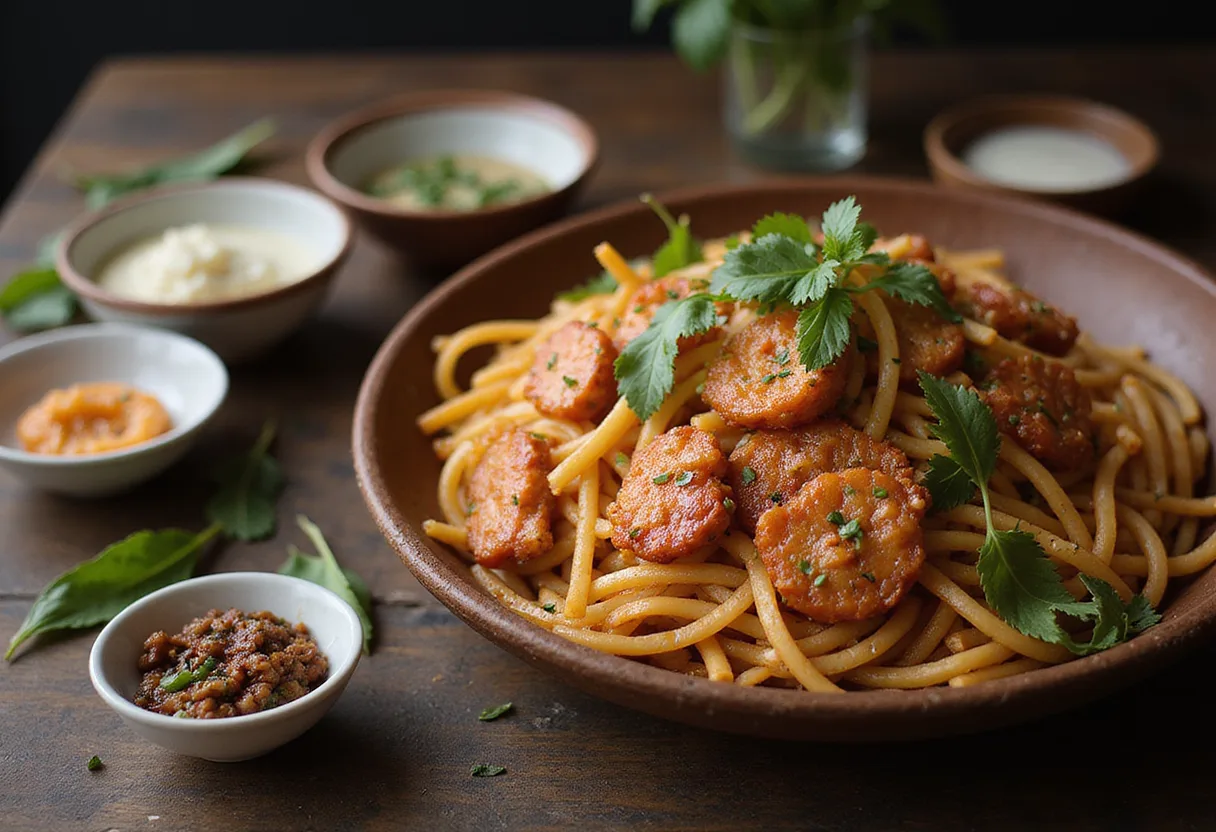
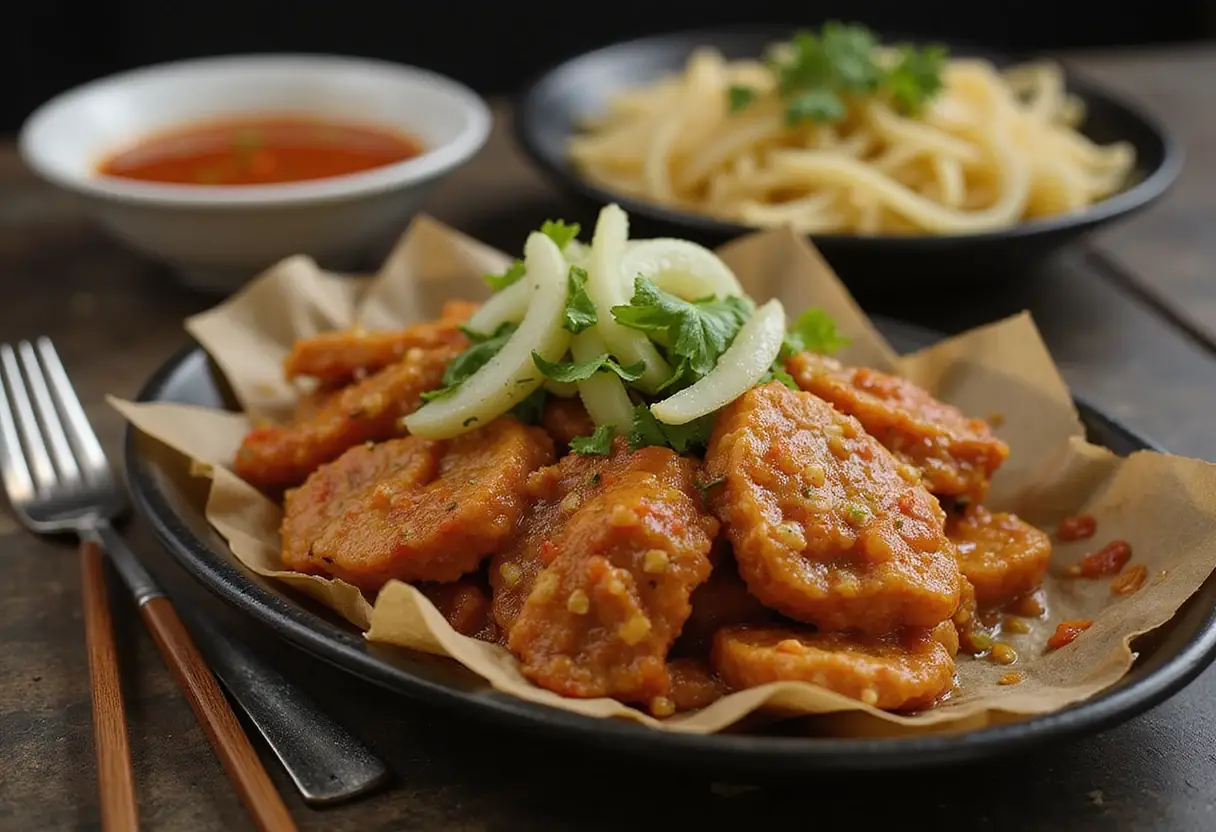
Two Texas chefs cooked together. Don Nguyen, who has run Houston popups for years blending Texas barbecue with Vietnamese food — smoked brisket pho among his offerings — was joined by Gabriel Boyer, an instructor at the CIA's San Antonio campus who lived in Vietnam for 11 years. Boyer walked through fish sauce varieties while making Kho Quẹt Mắm Ruốc, a dip built on fish sauce, shrimp paste and pork belly caramel, served with vegetables.
What does temple cooking change for a menu?
Ji Hye Kim, who runs Miss Kim and Little Kim in Ann Arbor, Michigan, joined Yanagihara for one demonstration. Little Kim follows Buddhist temple tradition, which excludes not only meat but also alliums such as onions and garlic — a real constraint in a cuisine where garlic is pervasive. Kim substitutes other savory elements to build depth.
Yanagihara, who has also cooked for Buddhist temples in Japan, reported a measurable sensory effect: eating clean temple food reduced the salt his palate demanded. The effect faded within a few days of returning to Tokyo.
Is pandan the next matcha?
The conference also surfaced a flavor with clear dessert-program potential: pandan. The broad leaf flavors sweets across much of Southeast Asia and works in tea as well. At Worlds of Flavor it appeared in chocolate chip cookies and rice pudding spring rolls. Visually it reads as a lighter matcha; on the palate it suggests coconut mixed with vanilla.
One chef who served it said she would happily see pandan replace matcha as the trendy green Asian ingredient of choice — a view the observing food writer has voiced all year. For operators weighing the call, the sourcing math is straightforward: pandan already anchors desserts across a region spanning five of the world's most watched cuisines, and its appearance across multiple stations at an industry-defining conference suggests the ingredient's U.S. window is opening now.
More from Elena Vasquez
Show full bio
News editor covering people, launches and day-to-day practice in Restaurant and hotel operations at The Pass Brief.
666 articles