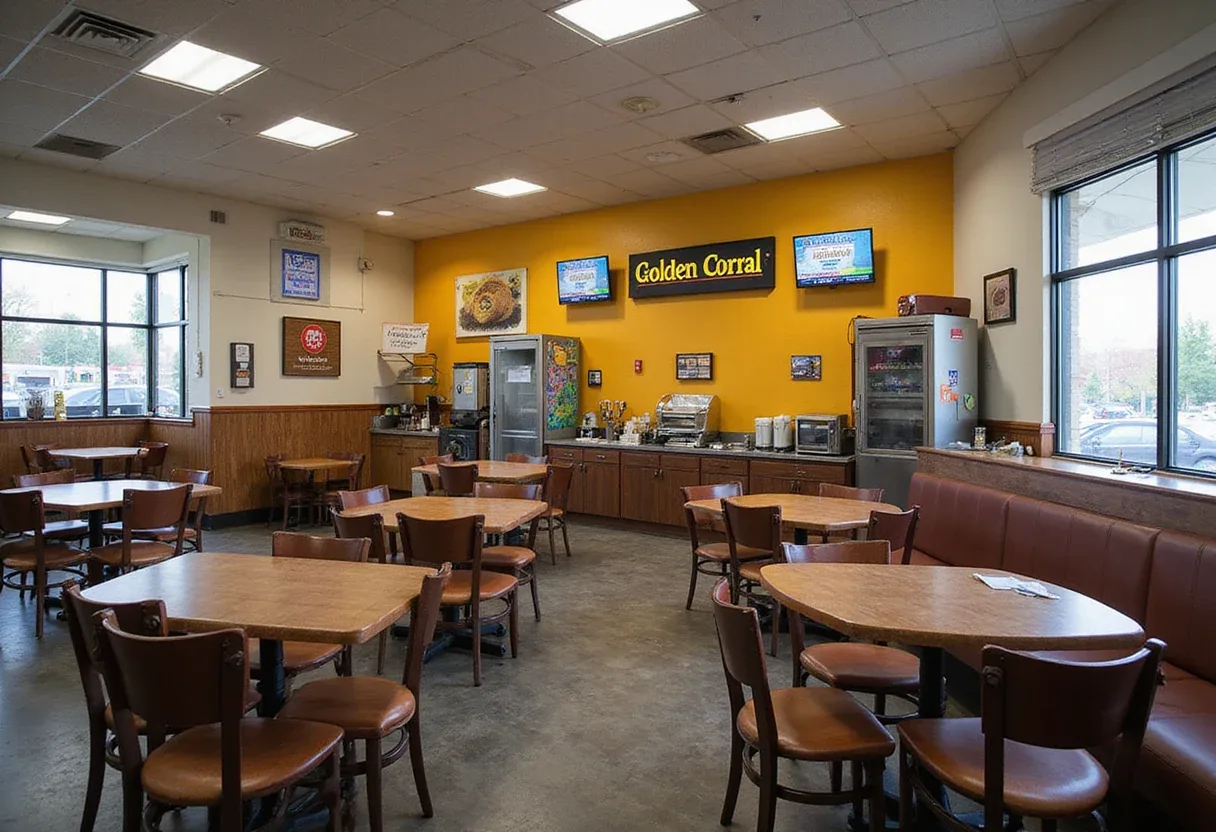
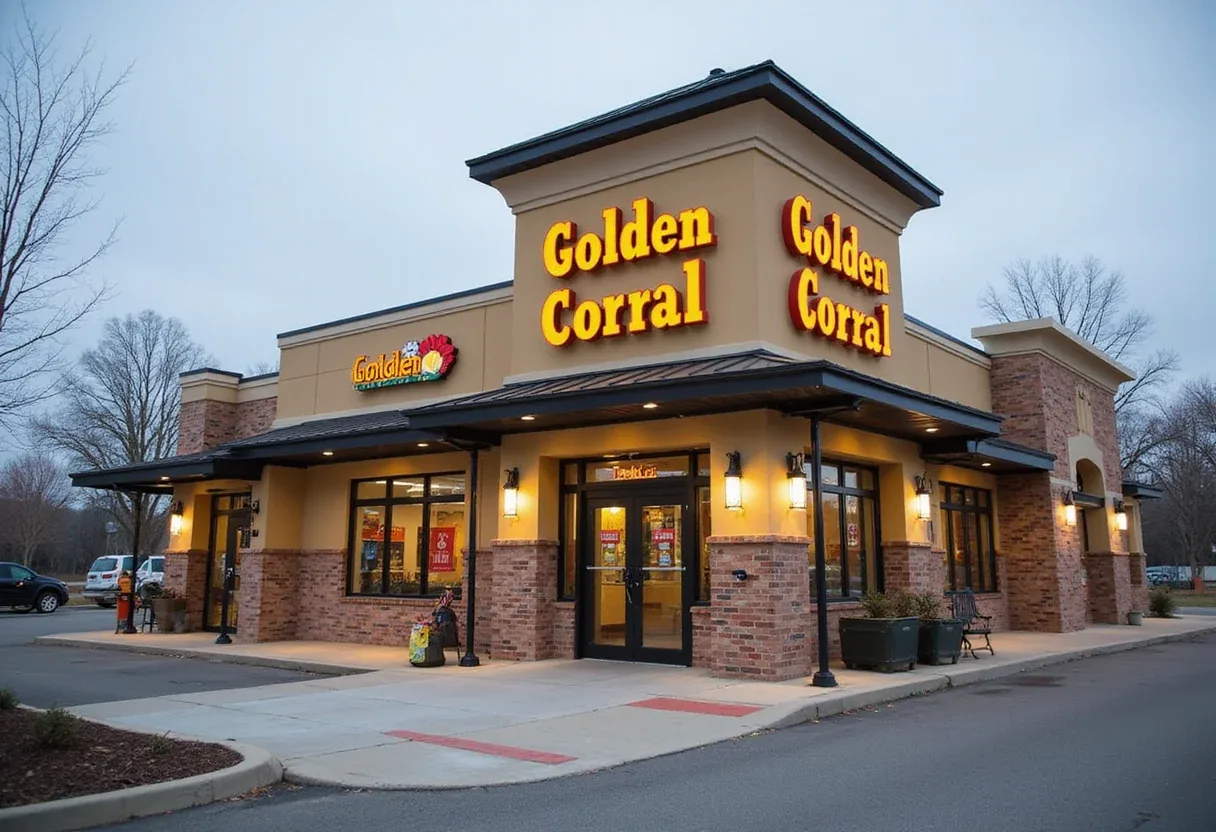
Golden Corral Cuts Units While Planning Growth Into 2027
Golden Corral is closing locations while planning expansion into 2027, a mix of pruning and pipeline-building that tests the buffet format's economics.
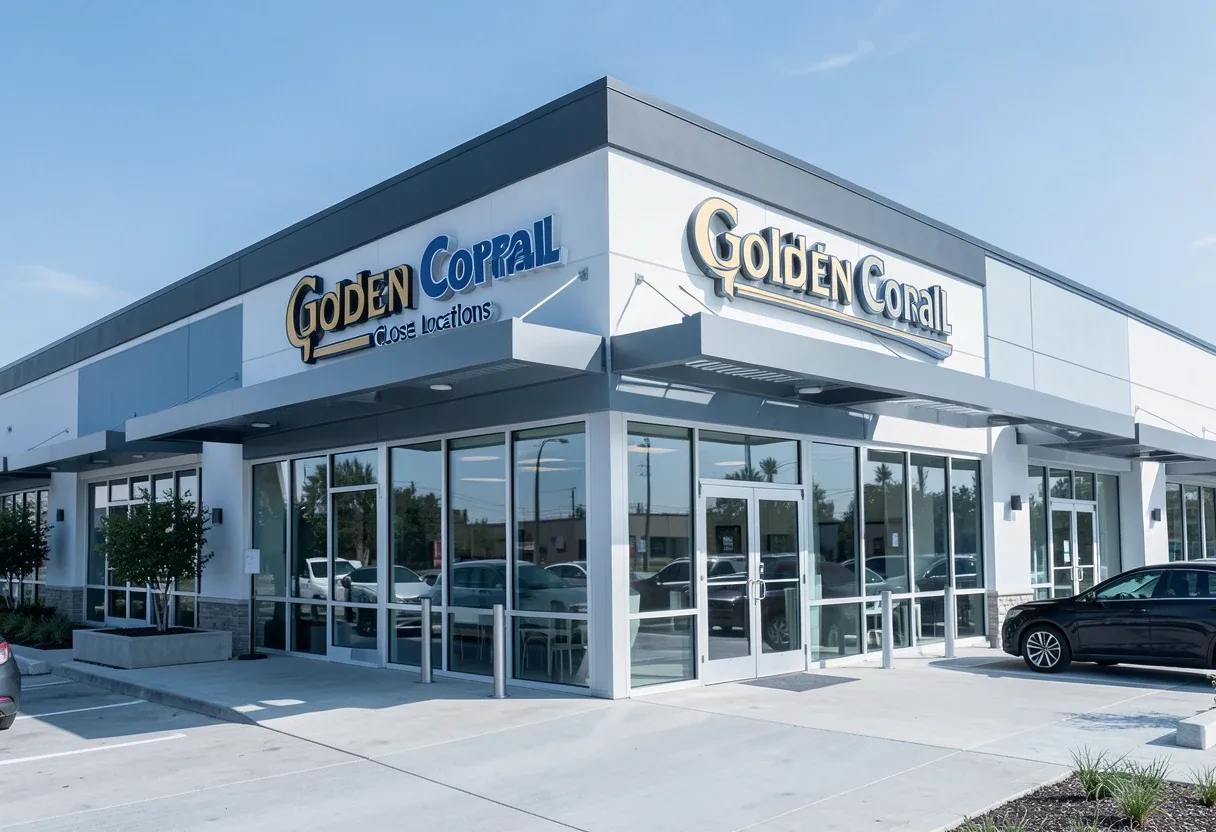
Golden Corral is closing a number of its buffet locations, even as the chain lays plans for expansion running into 2027. Newsradio WOOD 1300 and 106.9 FM reported the twin moves, which capture the current posture of large-format buffet operators: prune weak units, keep the development pipeline moving.
The report did not specify how many restaurants will close, which markets they sit in, or whether the affected units are company-operated or franchised. Golden Corral runs a heavily franchised system, so the distinction matters for who absorbs the cost of each closure — the franchisor's balance sheet or a local licensee's.
Why close units and expand at once?
For a chain of Golden Corral's format, the two moves are not contradictory. Buffets carry a cost structure that punishes weak traffic hardest. A single unit feeds its steam tables regardless of whether 200 or 500 guests walk in, so food cost per cover (the ratio of ingredient spending to revenue) rises fast when volume drops. Labor is similarly semi-fixed: servers, line cooks and dish staff must be scheduled before the headcount is known.
Closing a low-volume location removes a drag on the system. Opening in better trade areas, meanwhile, chases volume where it actually exists. That is standard portfolio management, if painful for the affected markets.
What the 2027 horizon signals
A development plan stretching to 2027 tells investors and franchisees the chain sees demand ahead, not behind. Buffets were hit hard by pandemic-era restrictions on self-service formats, and the segment's recovery has been uneven since. Committing to openings two years out signals management believes the format's economics have stabilized enough to sign leases again.
The report did not detail how many new units are planned, in which states, or on what timeline. Nor did it give unit counts for the closures against the chain's total footprint.
What to watch next
The questions that will define this story are numeric. How many units close, and how many open, decides whether this is net growth or managed shrinkage dressed as expansion. Whether closures cluster in high-rent coastal markets or rural interiors will say much about where the chain thinks its buffet model still clears its margins.
Franchisee health is the other variable. In a system where most doors are licensee-owned, development agreements into 2027 only convert to openings if operators can finance builds at current construction and borrowing costs.
The chain has set itself a clear test: prove that a 50-year-old all-you-can-eat format can keep filling seats at prices that cover an all-you-can-eat cost structure. The 2027 pipeline suggests it intends to pass that test on more doors, not fewer — pending the closure count it has so far declined to attach a number to.
More from Rebecca Stone
Show full bio
Senior reporter covering technology and product news in Restaurant and hotel operations at The Pass Brief.
444 articles