Golden Corral Trims Units While Signing Deals Into 2027
Golden Corral is closing some locations while maintaining expansion plans into 2027, a mix of pruning and growth that reflects buffet economics at the unit level.
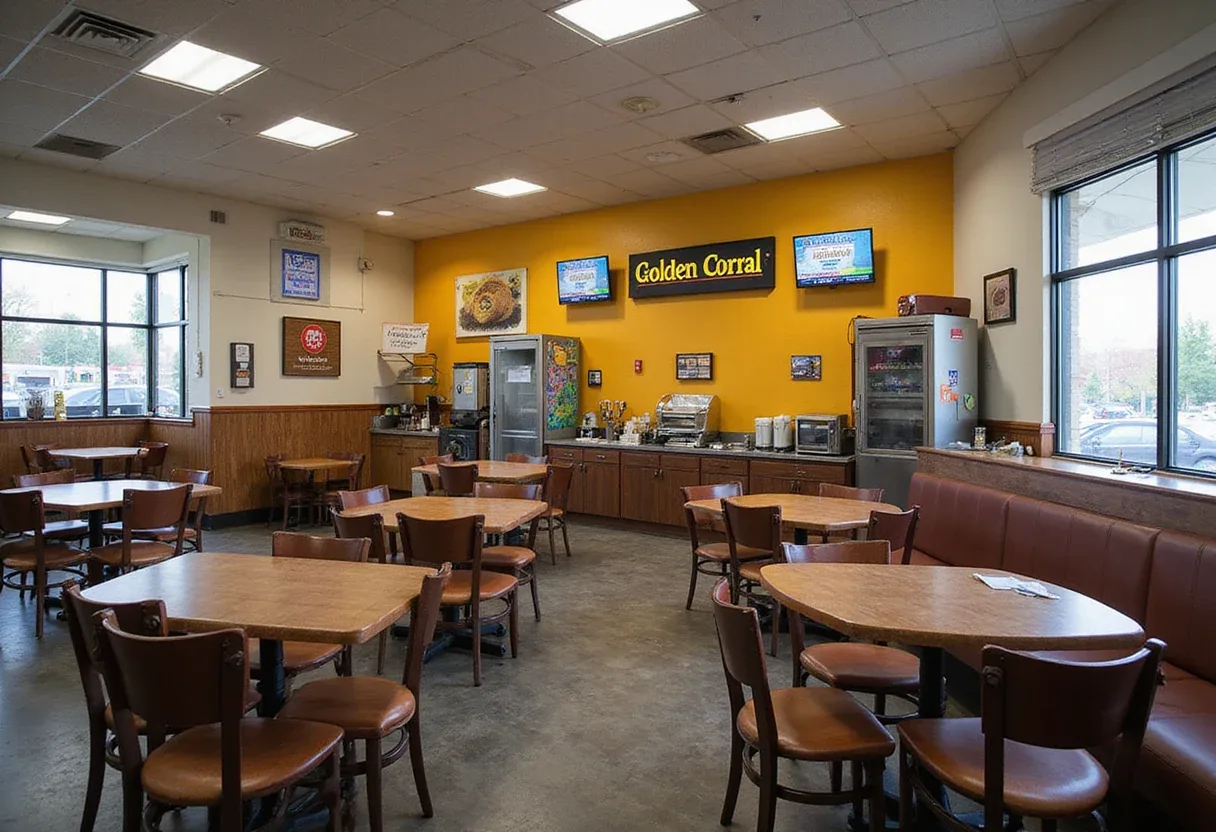
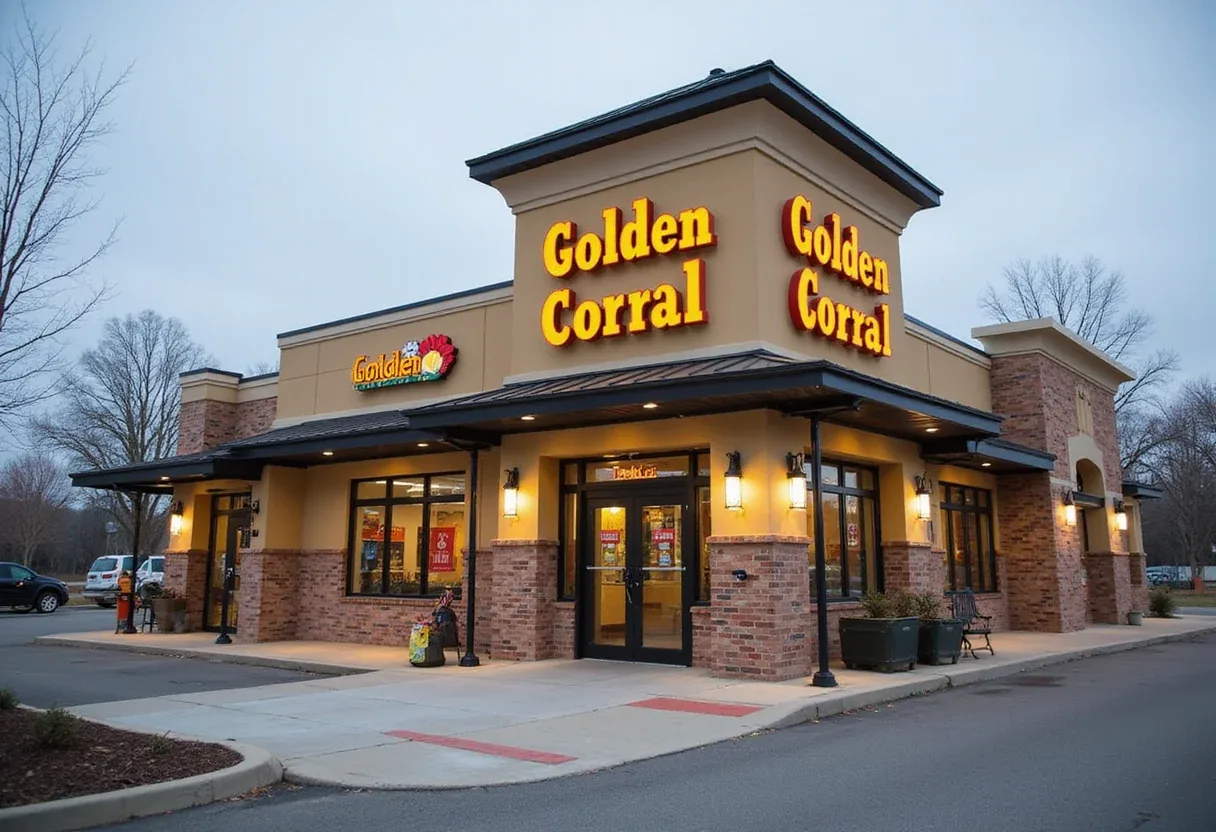
Golden Corral is running two playbooks at once. The buffet chain has closed a number of its locations even as it lays out expansion plans stretching into 2027, according to a report from 700WLW — a split that signals a brand pruning weak sites rather than retreating from growth.
That distinction matters in the buffet segment, where operators live and die by occupancy and throughput. A buffet's labor model and food cost structure assume high volume across a fixed spread of holding stations. When a location can't fill seats, the math breaks fast, and closing it is usually cheaper than repositioning the menu.
What's actually happening on the ground?
The report confirms some Golden Corral restaurants have shuttered. It does not frame the closures as a chain-wide contraction. Instead, the closures sit alongside a development pipeline that extends through 2027, meaning the company and its franchisees are still committing capital to new units on a multi-year horizon.
For a buffet brand, that combination is familiar territory. Golden Corral has historically operated a mixed system of company-run and franchised restaurants, and closure decisions in such systems typically come unit by unit — lease expirations, local traffic declines, labor availability — rather than as top-down portfolio mandates.
What does this change for buffet operators broadly? Probably very little in the near term. Selective pruning while signing new development agreements is standard portfolio management in family dining, where aging real estate and shifting demographics push brands to relocate capacity rather than simply shrink it.
Why buffet economics punish weak locations
Buffets carry a cost structure unlike most of family dining. The kitchen prepares a full spread regardless of how many guests walk through the door, which means food waste and labor hours are largely fixed until volume crosses a threshold. A dining room running at half capacity doesn't halve its costs. It just halves its revenue.
That makes underperforming buffet units expensive to keep open, and it makes the decision to close them faster than it would be for, say, a quick-service burger franchise with a leaner build-out. It also explains why a chain can simultaneously close doors in soft markets and commit to new ones where demographics look stronger.
The view through 2027
The commitment to expansion through 2027 is the more telling half of the story. Multi-year development pipelines in buffet dining require franchisees willing to build large-format restaurants — expensive projects with long payback periods compared with fast-casual footprints. Keeping that pipeline alive signals that operators and investors still see the all-you-can-eat model as viable in the right markets.
Expect the closures and the openings to continue side by side. Golden Corral appears to be managing its way toward a tighter, better-sited estate rather than betting on uniform growth — and the buffet segment's recovery will likely be decided restaurant by restaurant, not brand by brand.
More from Daniel Okafor
Show full bio
Correspondent covering companies, deals and strategy in Restaurant and hotel operations at The Pass Brief.
411 articles