Flying Biscuit Café Rolls Out Pumpkin LTO Across 44 Units Oct. 1
Flying Biscuit Café will launch Pumpkin Pancakes with Cinnamon Sugar Butter and a Brown Sugar Pumpkin Latte on Oct. 1 across all 44 cafés in eight states, betting on in-store mixing to differentiate the breakfast-and-lunch daypart.
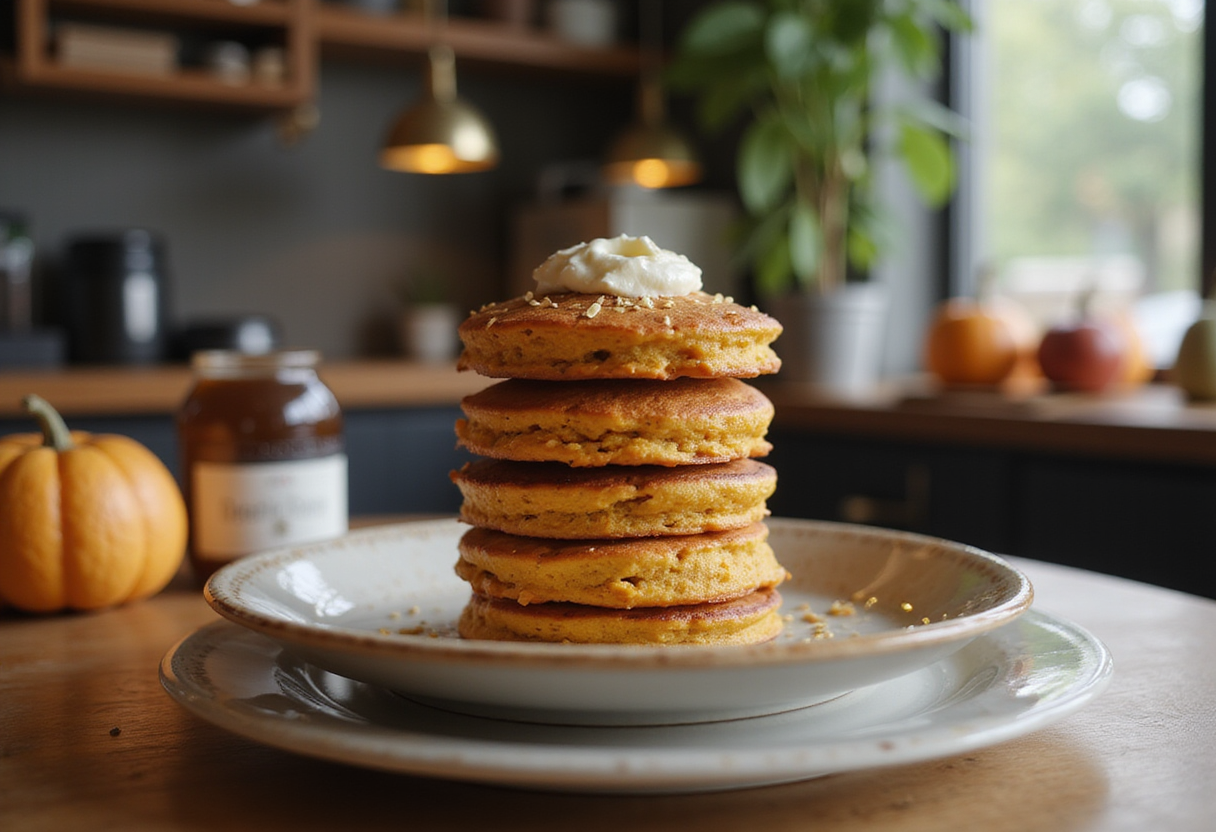
Flying Biscuit Café will launch Pumpkin Pancakes with Cinnamon Sugar Butter and a Brown Sugar Pumpkin Latte on Oct. 1 across all 44 cafés in eight states, running as a limited-time offering through the chain's breakfast-and-lunch daypart.
The concept built the launch around in-store preparation rather than a bagged shortcut, a choice that touches the food cost line, the labor schedule and pricing flexibility at every café.
What is on the menu?
The pancakes use a batter of pumpkin, cinnamon and nutmeg mixed by hand on-site; they leave the griddle deep orange and spiced through. The accompanying Cinnamon Sugar Butter is whipped in bowls one batch at a time and melts down over the stack. The Brown Sugar Pumpkin Latte combines two shots of espresso with pumpkin spice, a dark brown sugar syrup prepared in café, the chain's house-made crème anglaise, whipped cream and a dusting of warm fall spice. Each café serves the latte hot or iced.
How does the LTO hit operator economics?
The chain's positioning rests on a make-versus-mix trade-off that affects food cost, prep labor and franchisee discretion on price. "A lot of places open a bag for this," said Chris McIntyre, Director of Franchise Operations at Flying Biscuit Café. "We mix the pumpkin batter in the store, and the cinnamon sugar butter gets whipped by hand in a bowl, a batch at a time. It's the difference between a pancake that tastes like pumpkin and one that tastes like a mix."
For franchisees, the hands-on approach adds measurable prep time per batch and tighter inventory control on a short-cycle seasonal SKU. Each café sets its own pricing and the price varies by location, putting margin management in the hands of operators closest to the local market. The chain did not publish a systemwide suggested retail, leaving franchisees to balance the higher-cost, in-store-made components against local traffic patterns.
What is the system footprint?
The 44 cafés span eight states. Menu availability sits inside the brand's breakfast-and-lunch-only service window, a structural feature that concentrates all LTO demand into roughly four to six hours of daily throughput. That constraint compresses the menu-engineering window for franchisees weighing labor hours against seasonal ticket lift, since both the pancakes and the latte must clear the griddle and the espresso bar before the close of lunch service.
What should franchisees watch into Q4?
Watch the late-October sales mix. Seasonal LTOs on a breakfast-and-lunch-only daypart typically peak in the first two weeks of October and tail off before Thanksgiving. Operators should expect the four-to-six-week window to carry the bulk of the items' contribution to traffic and average check. Local pricing remains the principal lever for protecting margin on the higher-cost components, with the café-level pricing model giving franchisees room to flex the menu mix as the season winds down.
How the LTO holds against private-label pumpkin spice competition through November will set the template for the chain's next fall playbook.
More from Marcus Bennett
Show full bio
Market editor covering media and advertising at The Pass Brief.
243 articles