Fired Over a $1.95 Cookie, Ford Electrician Sues Over AI Theft Alerts
Kurt Kromm's suit says Aramark's AI flagged a paid $1.95 cookie purchase as theft; Ford fired him despite bank records showing the charge, then reversed it weeks later.
A federal lawsuit seeking more than $75,000 in compensatory damages, plus punitive damages, accuses Ford and Aramark of firing an electrician over a $1.95 cookie purchase that their own payment records show he paid for.
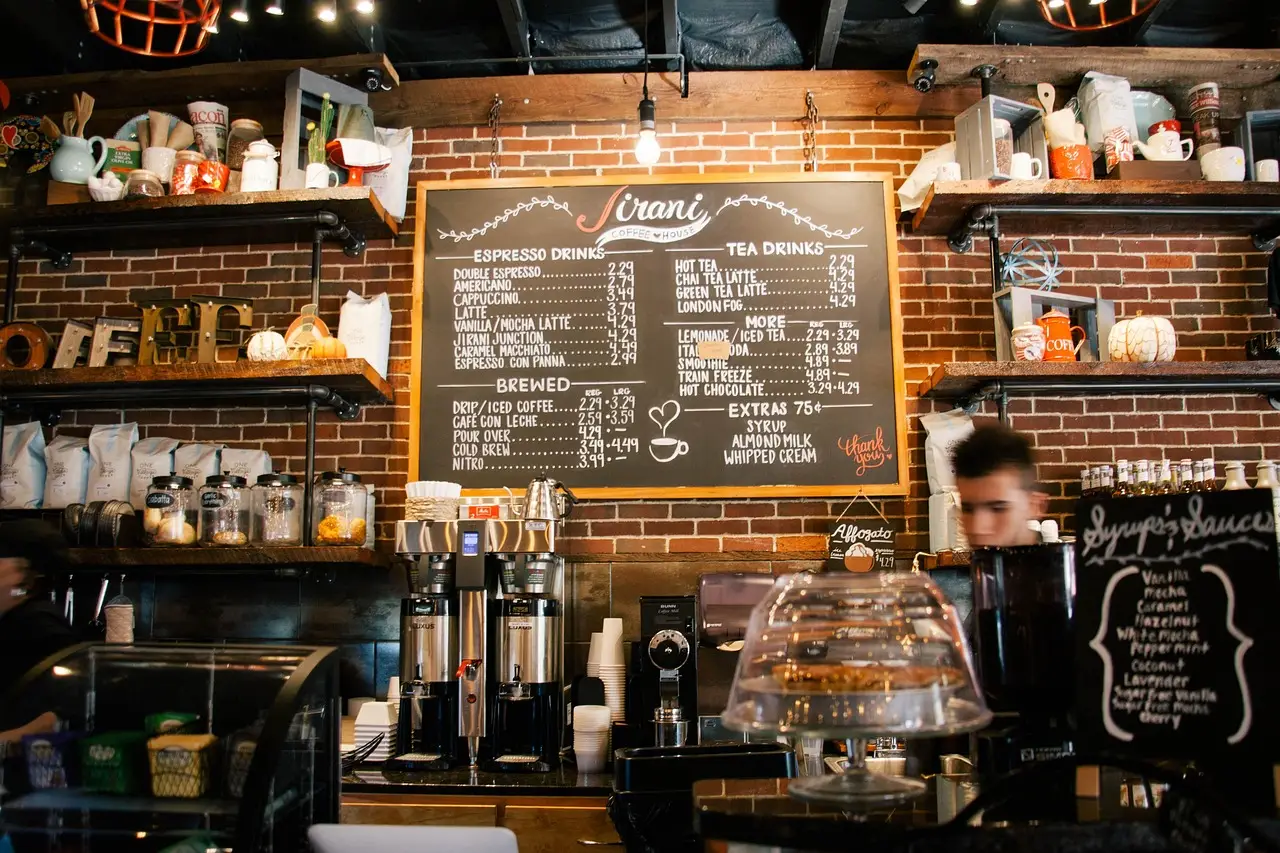
Kurt Kromm, 60, of Kenosha, Wis., sued both companies last Thursday in the US District Court for the Western District of Kentucky, alleging defamation over a May 9 incident at Ford's Kentucky Truck Plant in Louisville. At 3:38:33 a.m., his bank records show, his debit card was charged $1.95 for a package of Grandma's Chocolate Chip Cookies at an Aramark-operated self-checkout snack market inside the factory.
The kiosk screen indicated a failed transaction. Aramark's AI-powered surveillance system flagged the purchase as theft anyway.
What went wrong with the machine?
The complaint describes a structural flaw, not a one-off glitch. Aramark's payment reader, it alleges, operated independently of its surveillance and alert systems — meaning a kiosk could register a failed transaction even after a customer's card had been charged. Aramark possessed records confirming the payment but never consulted them before reporting Kromm to Ford, the lawsuit says.
Kromm's ordeal began when his blood sugar dropped during an overnight shift. The diabetic electrician bought the cookies with his debit card and returned to work. A week later, Ford summoned him to an investigative meeting, confronted him with surveillance footage and accused him of theft.
The company's disciplinary report stated that his transaction had failed and that he had no matching bank charge. "[Kromm] did not have any charges which aligned with this charge. [He] will be Discharged for Theft," the report stated. Ford then distributed the accusation to union representatives, managers, supervisors and HR staff, and had security guards escort him out in front of colleagues — without letting him retrieve his tools, the complaint alleges.
How many workers were affected?
Ford told Kromm that five other employees at the Kentucky plant had already been fired under the same zero-tolerance policy for alleged thefts from the self-checkout kiosks, according to the suit.
The Detroit Free Press reported in July that Nick Nabozny, 38, was fired from Ford's Michigan Assembly Plant after an Aramark kiosk allegedly failed to process his payment for less than $8 worth of Doritos and Ritz crackers. At least three other workers there were reinstated after investigations cleared them. Nabozny said he remained unemployed and cashed out his retirement savings to support his wife and two young children.
What does this change for operators deploying self-checkout?
For employers and contractors running unattended retail, the case is a warning about automated enforcement. Kromm's attorney alleges Ford and Aramark had known for years that the kiosks were prone to false theft alerts, failed transactions, double charges and frozen screens, and that malfunctions had been reported at other factories including the Michigan Assembly Plant. The suit claims both companies acted with reckless disregard for the truth by accepting an automated alert without examining payment records.
Kromm's own vindication took weeks. After his dismissal he found the $1.95 charge on his Chase statement and sent Ford a screenshot on May 24. Ford called it insufficient. He then obtained stamped transaction records and notarized banking documents; Ford held its position. On June 10, the Kentucky Office of Unemployment Insurance determined his dismissal "was not the result of misconduct." Aramark eventually acknowledged the charge, and Ford reversed the termination, restored his seniority and offered full back pay.
He declined to return. "I just couldn't go back," he previously told The Post.
The reputational damage, he claims, persists. Neither company issued a formal retraction despite written demands sent July 24 by attorney J. Will Huber. Kromm has since found another electrician job in Wisconsin. The lawsuit sits alongside a broader national debate over automated identification errors, including a September Senate hearing on wrongful arrests tied to AI-powered Flock cameras — a signal that liability for unverified machine accusations is only beginning to be tested in court.
More from Daniel Okafor
Show full bio
Correspondent covering companies, deals and strategy in Restaurant and hotel operations at The Pass Brief.
761 articles