McDonald's Faces Lawsuit Over AI-Powered Menu Pricing
McDonald's faces a lawsuit alleging its AI-powered menu pricing amounts to price-fixing, testing dynamic pricing's legal limits in fast food.
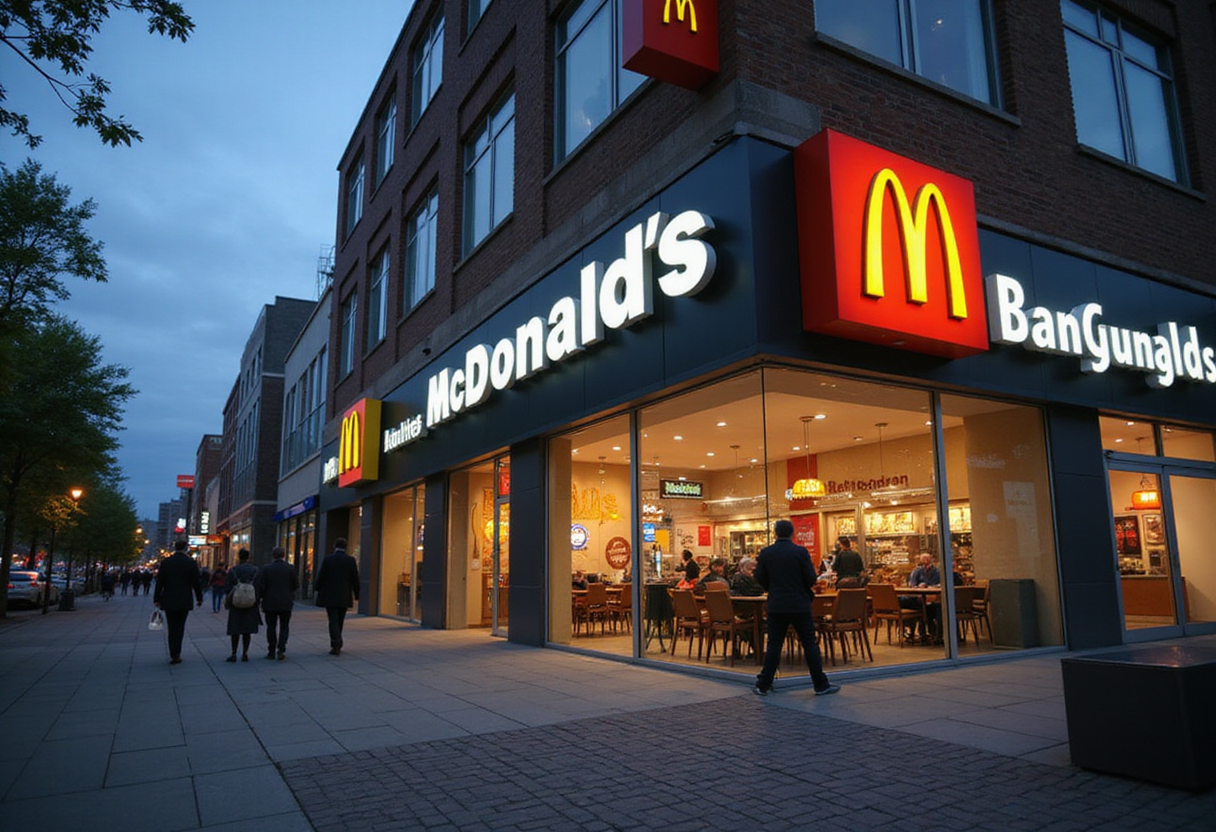
McDonald's is facing a lawsuit accusing the chain of using artificial intelligence to set menu prices, according to a report from 24/7 Wall St.
The suit centers on the burger giant's use of algorithmic pricing technology — the kind of software that adjusts menu prices dynamically rather than from a fixed board. The complaint, reported by 24/7 Wall St., alleges the practice amounts to price-fixing, putting one of the largest restaurant companies in the world at the leading edge of a legal fight over how restaurants deploy AI in pricing.
The case matters for the broader industry because dynamic pricing has moved from airlines and rideshare into foodservice. Restaurant chains have experimented with algorithms that shift prices by daypart, demand or channel, and McDonald's — with tens of thousands of locations worldwide, most of them franchised — is the highest-profile operator to face a court test of the practice.
What does the lawsuit allege?
The complaint, as summarized by 24/7 Wall St., accuses McDonald's of using AI-powered tools to determine menu prices in a way the plaintiffs characterize as unlawful price manipulation. The reporting did not specify the court, the filing date, or the named plaintiffs.
For operators, the core legal question is whether algorithmic price-setting by a restaurant chain crosses from standard revenue management into conduct that antitrust law treats as price-fixing. That distinction will shape how quickly other chains adopt or retreat from dynamic pricing across drive-thru, kiosk and app channels.
Why it matters for restaurant operators
Dynamic pricing has attracted growing interest across the sector as chains look to protect margins against food and labor cost inflation. Software vendors now market systems that promise to lift revenue by adjusting prices in real time, typically replacing static menu boards that operators reset manually and infrequently.
A courtroom challenge aimed at McDonald's signals that the technology carries legal risk, not just brand risk. Earlier consumer backlash against surge-style pricing in fast food forced several operators to publicly distance themselves from the concept, and litigation adds a second layer of exposure for chains weighing the systems.
The outcome could determine whether AI pricing becomes standard practice across major chains or remains a liability-tinged experiment confined to digital channels.
The report did not detail McDonald's response to the suit, and the company has not announced any change to its pricing technology as a result of the litigation.
More from Elena Vasquez
Show full bio
News editor covering industry trends and analytics at The Pass Brief.
245 articles