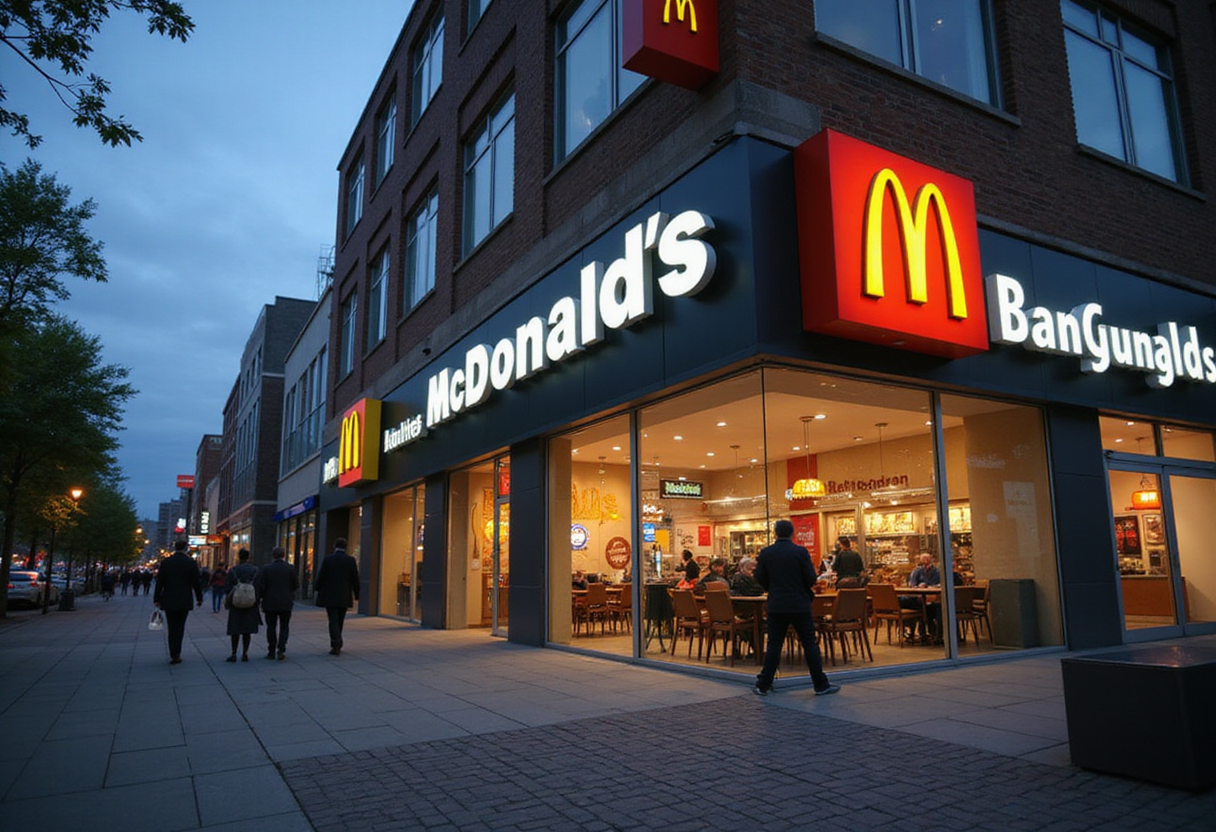
McDonald's Faces Class Action Alleging AI Drove Menu Prices Higher
A class action lawsuit accuses McDonald's of using artificial intelligence to drive up menu prices, according to consumer-litigation outlet Top Class Actions. Plaintiff names, venue, and damages remain undisclosed in the public reporting.
A class action lawsuit accuses McDonald's of using artificial intelligence to drive up menu prices, according to a report distributed by consumer-litigation outlet Top Class Actions.
The complaint appears in Top Class Actions' recent news feed, which tracks class action filings across the country. Top Class Actions' headline-level item characterizes the suit as targeting McDonald's use of AI-driven pricing but does not include the named plaintiffs, the filing venue, or a stated damages figure in the materials distributed to news readers.
McDonald's, the largest quick-service restaurant operator in the world by unit count, had not responded publicly to the filing in the version of the story carried by Top Class Actions. The Pass Brief could not locate a company statement on the matter.
What does the suit allege?
The claim, as Top Class Actions summarized it, accuses the chain of using AI to push menu prices higher in a manner disconnected from underlying cost movements. Class actions involving algorithmic pricing typically argue that automated tools coordinated price changes in ways that may have violated consumer-protection statutes.
Such suits require plaintiffs to clear defined procedural hurdles before a court reviews the merits. Plaintiffs generally must show that an identifiable group of consumers paid above a competitive price during a defined period and that the defendant's automated system caused the elevation. The legal theory draws precedent from cases in other industries — including actions against hotel operators and rental-car companies that used shared pricing algorithms — where courts have produced mixed verdicts in recent years.
Why an algorithmic-pricing complaint is rare in QSR
Most AI deployments inside quick-service chains to date focus on back-of-house functions: demand forecasting, labor scheduling, and waste reduction. Customer-facing dynamic pricing has drawn consumer backlash in restaurant settings, and operators generally avoid it on the dine-in board even where delivery and digital channels permit it.
A claim that McDonald's used AI to lift menu prices rather than respond to costs would, if substantiated, cut against that industry pattern. The complaint's framing matters because it shifts the legal dispute from operational savings to consumer harm.
How the chain's franchise structure could shape liability
McDonald's operates more than 13,500 restaurants in the United States, the majority of which run under franchise agreements. Those agreements typically leave menu-pricing recommendations with the corporate parent while leaving operators to execute at the store level. A claim that AI lifted menu prices would direct attention toward corporate pricing tools and any algorithm corporate applied across its suggested price lists.
If the algorithmic adjustment originated at the corporate layer, franchisees could be characterized as downstream implementers rather than decision-makers — a distinction courts typically weigh when allocating responsibility across franchised systems.
What happens next
Pricing class actions usually move through a procedural stage that tests whether the proposed plaintiff group meets class-certification standards before any review of the underlying claims. The Pass Brief will track the docket for plaintiff filings, company responses, and any motions that narrow or expand the proposed class.
More from Daniel Okafor
Show full bio
Correspondent covering consumer brands and retail at The Pass Brief.
224 articles