Fast-Food Traffic Keeps Falling, and Placer.ai Sees No Quick Fix
Fast-food traffic has fallen for years with little sign of improvement, Placer.ai's RJ Hottovy told the Restaurant Business podcast, while Burger King outperforms without deep value discounting.
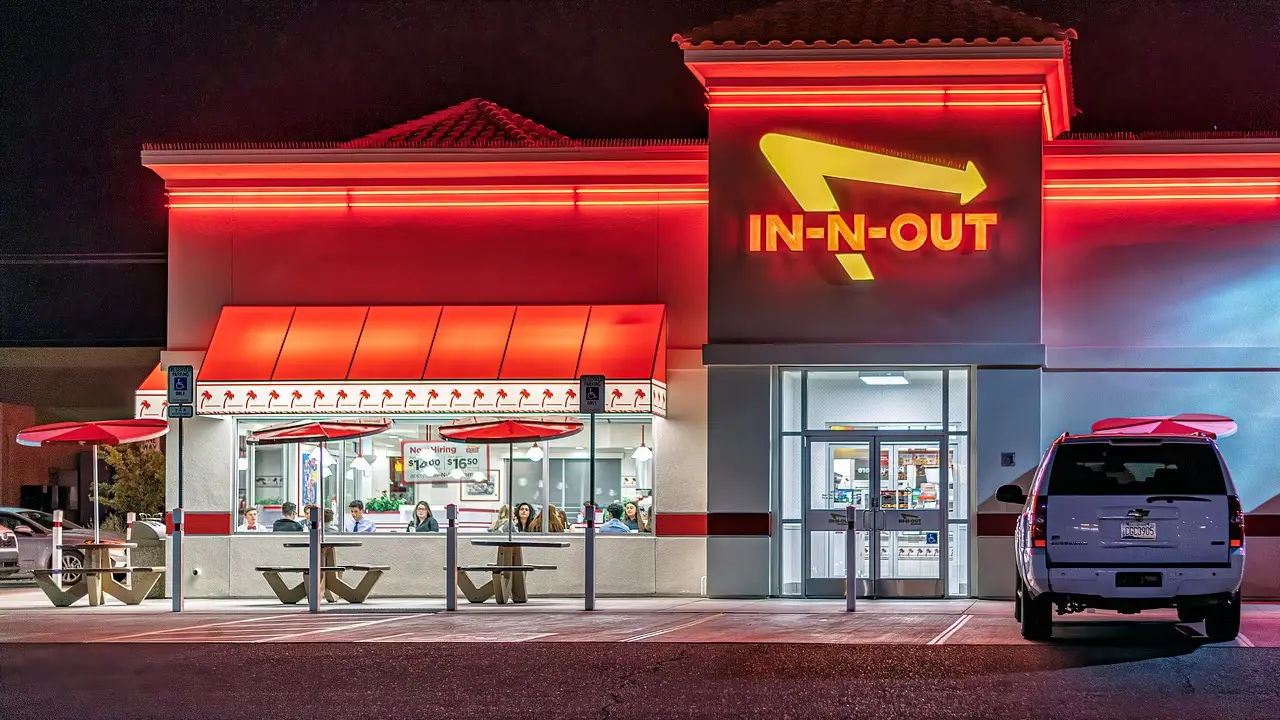
Fast-food traffic has declined for years, and the head of analytical research at the tracking firm Placer.ai sees little sign of improvement. RJ Hottovy made that assessment on the Nov. 11 episode of the Restaurant Business podcast "A Deeper Dive," hosted by Editor-in-Chief Jonathan Maze. The episode puts a number to a mood operators already feel: customers are not coming back on their own.
Placer.ai tracks physical restaurant visits, and its data has become a standard reference for investors reading quick-service performance. Hottovy is a regular guest on the program. His return signals the core question of the moment: how long will the fast-food market stay weak?
Why does the weakness persist?
The premise of the conversation is blunt. Traffic in the industry has been down for years. It shows little sign of improvement. That framing matters for operators, because traffic declines force a choice between discounting to buy guests and protecting already-thin margins.
The podcast does not promise a recovery date. That restraint is worth noting. Traffic data firms can describe the hole; they cannot say when chains will climb out of it.
What is working at Burger King?
Burger King is the episode's counterexample. Hottovy and Maze discuss why the burger chain has outperformed its peers even though it did not jump head-first into the value game. The claim challenges the industry's working assumption that deep discounting is the only path back to volume.
The caveat is obvious. Outperformance is relative. A chain can beat a weak market and still lose traffic in absolute terms. The segment does not specify which metric, company-operated or franchised units, or which markets drove the result.
Where does Wendy's stand?
Wendy's gets its own segment. The discussion covers the state of the brand without asserting a turnaround. Wendy's, like its rivals, faces the same traffic math: fewer visits must be offset by higher average checks or lower operating costs.
Again, the format limits what listeners get. A podcast conversation is not an earnings call. Specific unit counts, same-store sales figures and margin data for Wendy's do not appear in the episode preview.
Can full-service chains keep winning?
The most surprising thread involves full-service chains. Chili's and the Cheesecake Factory have posted unexpectedly strong performance while fast-food traffic sags. The episode examines why diners appear willing to spend at casual dining even as they pull back from quick service.
That shift carries real pricing implications. If value perception has moved upmarket, fast-food discounting may recover less traffic than chains expect, and casual-dining operators may hold pricing power longer than analysts assumed.
What should operators watch next?
The episode, published Nov. 11, 2026, is available through Restaurant Business, which gates full access behind a membership. Maze, a longtime industry journalist focused on restaurant finance, mergers and acquisitions and the economy, presses Hottovy on the durability of each trend.
For operators, the actionable question is whether traffic stabilizes before discounting erodes margins further. Hottovy's data suggests the answer will not arrive this quarter, and chains that outperform without heavy value plays, as Burger King has, will set the template competitors study next.
More from Marcus Bennett
Show full bio
Market editor covering technology and product news in Restaurant and hotel operations at The Pass Brief.
712 articles