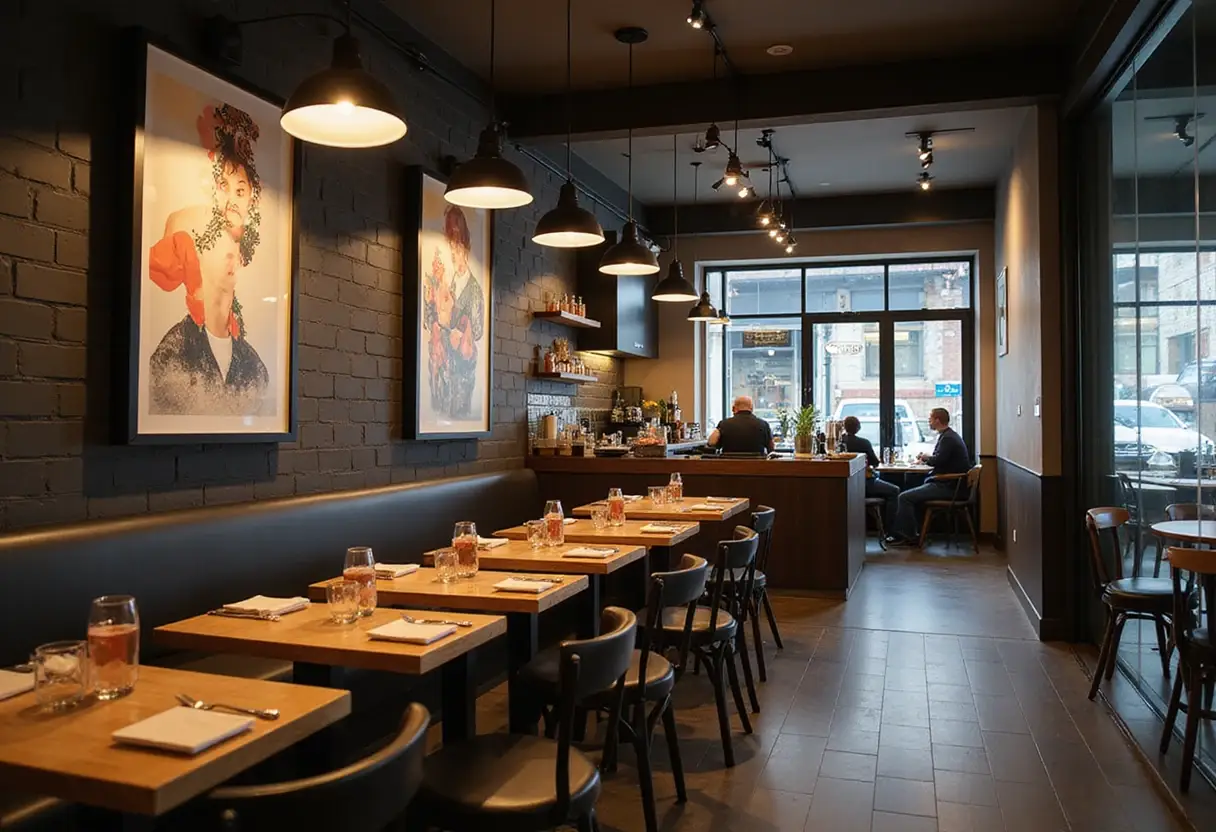
Full-service chains edge limited service on value perception
Full-service restaurants drew 53.2% “excellent” visit ratings versus 52% at limited-service chains, while Benihana and Red Robin led five customer-experience measures.
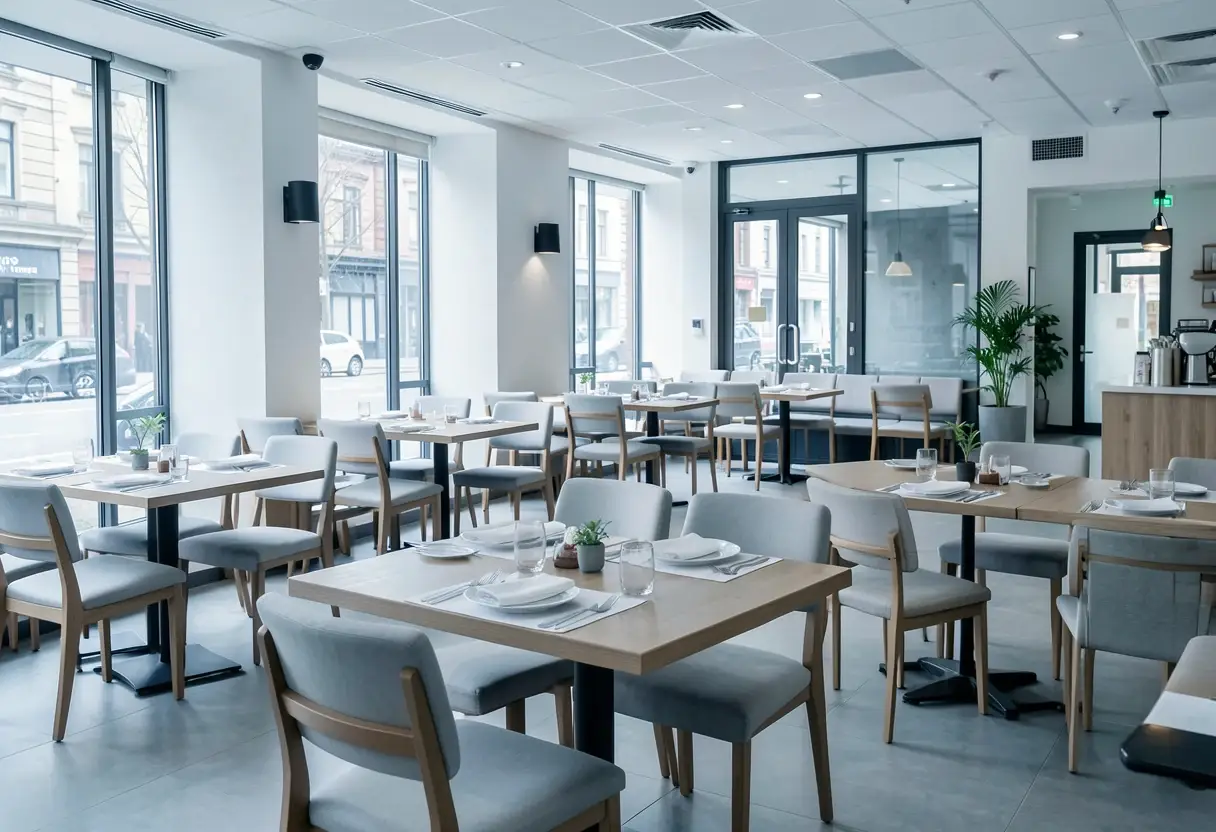
A 53.2% share of consumers rated their full-service visits “excellent” over the past year, versus 52% at limited-service restaurants, according to Technomic Consumer data. The 1.2-percentage-point gap was modest. The broader signal was clear: full service outperformed limited service on nearly every metric examined.
That divergence became harder to dismiss after two weeks of reviewing earnings reports. Casual dining, the analysis argued, was having a real moment after building for some time, even as quick-service chains struggled to find a value proposition and fast-casual chains struggled more broadly.
Recent results showed traffic rising at Benihana while sales fell at Taco Bell. The author also noted that casual chains other than Chili’s were flying high, making the difference between the segments feel starker than before.
Consumer comments from friends and on TikTok supplied another clue. They showed how deeply consumers divide restaurants between “fast-food” and “sit-down,” and how strongly those labels shape perceptions. Format itself carries meaning at the point of choice, so operators cannot assume one service model can replace another without changing how customers judge the meal.
The operating split
Technomic’s segment-level results put full service ahead on food and beverage quality, appearance and ambience, and value perception. Limited service still led on convenience and takeout. The split defines the operating trade-off: full service leads on the quality and atmosphere of the experience, while limited service retains its comparative advantage in convenience and takeout.
Value produced the clearest numerical split. A combined 82.2% of consumers rated full-service chains “excellent” or “very good” on value, compared with 79.6% at limited-service chains, a 2.6-point advantage.
For operators, the finding links food quality to value perception, putting menu and pricing decisions at the center of the proposition rather than treating taste as a standalone feature. It sharpens an existing problem rather than creating a new one: operators still need a clear value proposition, and full-service chains have evidence that customers recognize quality and experience as part of it.
The chains behind the scores
The analysis then compared five customer-experience KPIs—overall rating, order accuracy, interior cleanliness, food quality, and food taste and flavor—across top-performing casual chains and low-performing limited-service chains. The scores broadly matched sales data.
- Benihana and Red Robin outscored competitors on all five measures.
- BJ’s scored above average on all except overall rating.
- Wendy’s recorded no positive KPI.
- Wingstop recorded one, for food taste and flavor.
- Papa Johns was the sole outlier in the limited-service comparison, outranking competitors on all five measures; the analysis had examined the chain more extensively in September.
Those chain-level results reinforced the earnings pattern: stronger ratings, order accuracy, cleanliness and food quality broadly tracked performance, while Benihana’s traffic rose and Taco Bell’s sales fell. These are top-line and customer-experience indicators, not a margin comparison; the figures do not show food costs, labor costs or unit-level profitability.
What does this change for operators?
The analysis ended with a blunt instruction: “Listen to your consumers. They’re not shy about telling you what they want.”
For operators, that means treating feedback on order accuracy, cleanliness, food quality, ambience and value as operating information, not merely survey material. It also means protecting the attributes consumers already reward: full service leads on quality and ambience, while limited service must defend its convenience and takeout advantage.
The author cautioned that value is not the only force at work. Unforeseen factors, including cyclospora, had entered the conversation, making it harder to explain the category shift through value alone. For chains, the practical issue is turning a favorable consumer score into durable traffic and sales rather than a momentary result.
Full-service operators now have a 53.2% excellence rating and an 82.2% “excellent” or “very good” value score working in their favor. The test ahead is whether they can preserve that advantage through guest traffic and sales while limited-service chains close the 2.6-point value gap without surrendering their convenience and takeout edge.
More from Daniel Okafor
Show full bio
Correspondent covering companies, deals and strategy in Restaurant and hotel operations at The Pass Brief.
643 articles