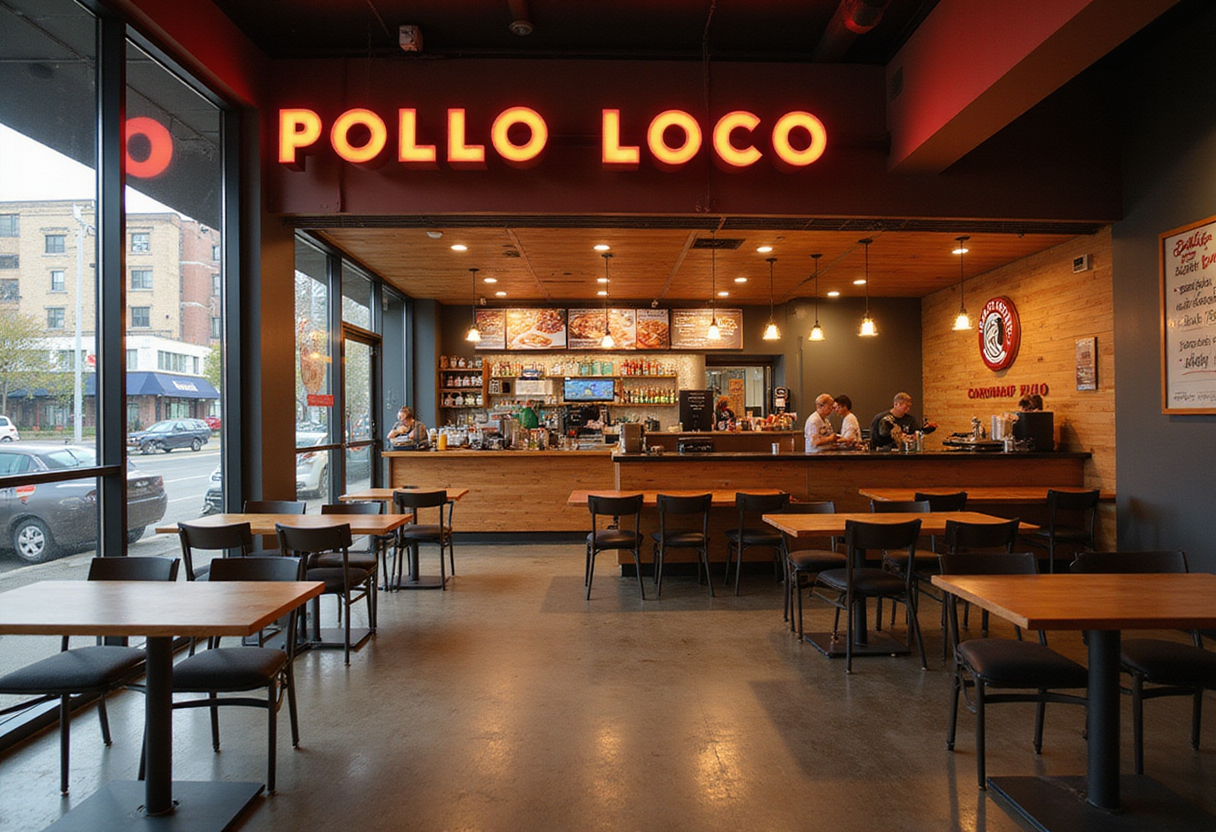
El Pollo Loco Targets New York for Next Expansion Phase
El Pollo Loco is setting its sights on New York, according to Nation's Restaurant News. The eastward pivot will test the chain's unit-level economics in one of the country's costliest limited-service markets.
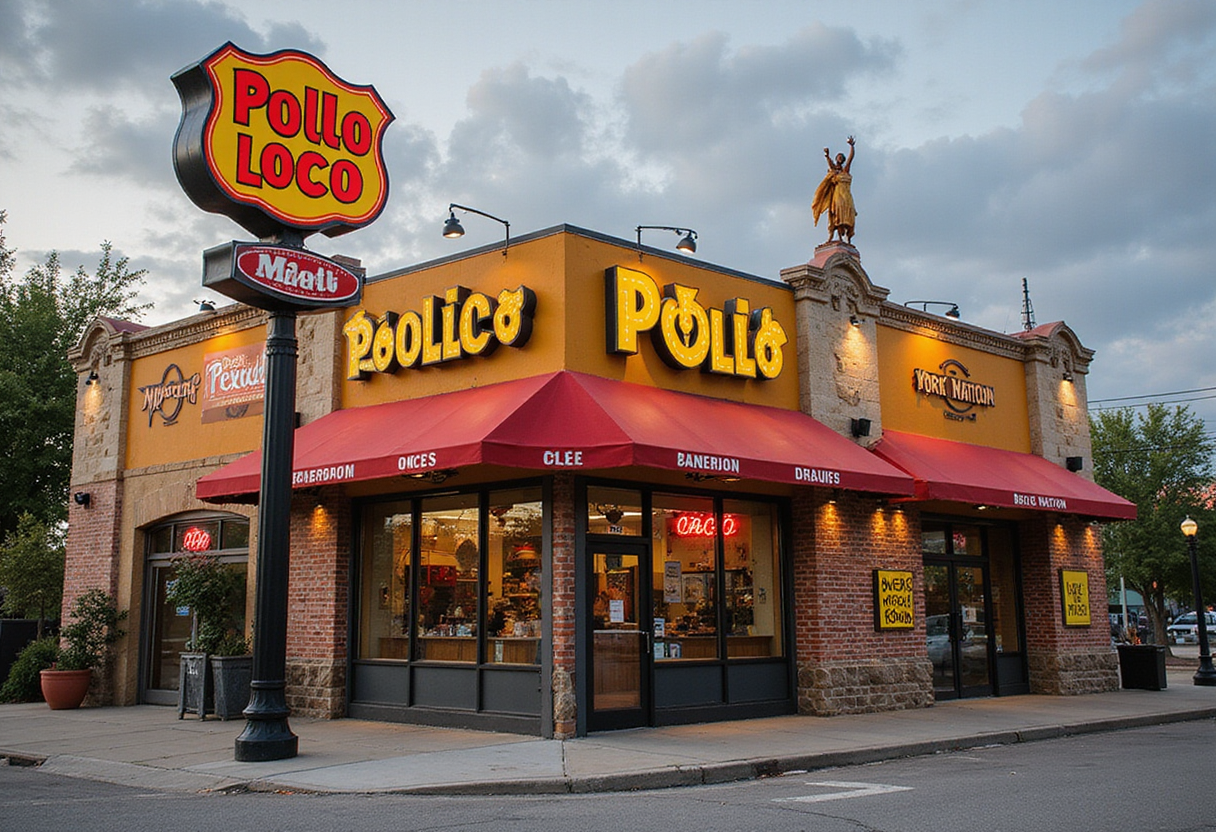
El Pollo Loco, the flame-grilled chicken chain, has New York in its expansion crosshairs, according to a publication notice from Nation's Restaurant News.
The strategic pivot matters for the limited-service sector: any major chain's entry into the New York metropolitan area recalibrates competitive dynamics, supplier relationships, and labor benchmarks across a market that typically resists national-brand homogenization.
Why New York is the toughest proving ground
The New York metro is one of the costliest limited-service real estate environments in the country. Lease rates, labor mandates, and construction standards diverge sharply from operating conditions in most of the United States. Each factor compresses the development window before a new unit reaches break-even.
Operators entering the market typically contend with three economic pressures:
- Build-out costs driven by dense urban construction standards and older infrastructure
- Minimum-wage and scheduling compliance exceeding federal baselines
- Higher per-unit marketing spend to build brand awareness in a saturated media market
These pressures mean new units often run red for extended periods before reaching company-average volumes. The cash-flow profile of any New York rollout will diverge materially from the chain's existing footprint, and the gap will land squarely on the development-stage P&L.
What does the franchise model require?
Growth in markets this expensive generally requires franchisee partners with multi-unit development experience in regulated, high-cost metropolitan environments — a different operator profile than is typical for chains whose existing footprint sits in lower-cost regions.
Multi-brand operators with established New York infrastructure will likely become the preferred development counterparties. Such franchisees can absorb unit-level fixed costs more efficiently than single-brand specialists entering cold. Deal structures in the metro commonly include higher franchise-fee offsets, fee deferrals, or co-investment from the franchisor to bridge the early ramp.
A flat franchise royalty rate against New York revenue could compress franchisor margins during the first three to five years of the rollout. Watch for any deviation from the chain's standard economic terms in the Northeast disclosure when those emerge.
What about menu and pricing?
Flame-grilled chicken with Mexican-inspired accompaniments has cultural resonance in a metro where Latin American cuisine has driven a disproportionate share of limited-service growth over the past decade. Menu engineering for New York will likely emphasize portable, off-premise-friendly formats given the density of commuter traffic.
Pricing pressure will run sharper than in lower-cost markets. New York consumers expect value pricing comparable to national chains, even as cost-of-goods and labor inputs run materially higher. Closing that spread — or accepting lower unit margins — is the central commercial question for any entrant. Limited-service operators entering the metro routinely take 200 to 400 basis points of margin compression in the first five years relative to their national averages.
What to watch
Nation's Restaurant News did not disclose specific unit counts, opening dates, or franchise partner identities in the initial report. Subsequent disclosures from the chain's investor communications, franchise development filings, and state-level business registrations will provide the next hard data points.
For a chain whose economic model rests on high-volume throughput and operating efficiency, the New York metro is an unforgiving proving ground. Whether unit-level fundamentals can flex to absorb Northeast cost structures will determine whether the rollout accelerates or stalls.
More from Rebecca Stone
Show full bio
Senior reporter covering media and advertising at The Pass Brief.
225 articles