Discover Newport Reports $340M in Hotel Revenue, Rolls Out Stewardship Push
Discover Newport said visitors generated $340 million in hotel revenue last year and unveiled a stewardship agenda for the Rhode Island coastal market.
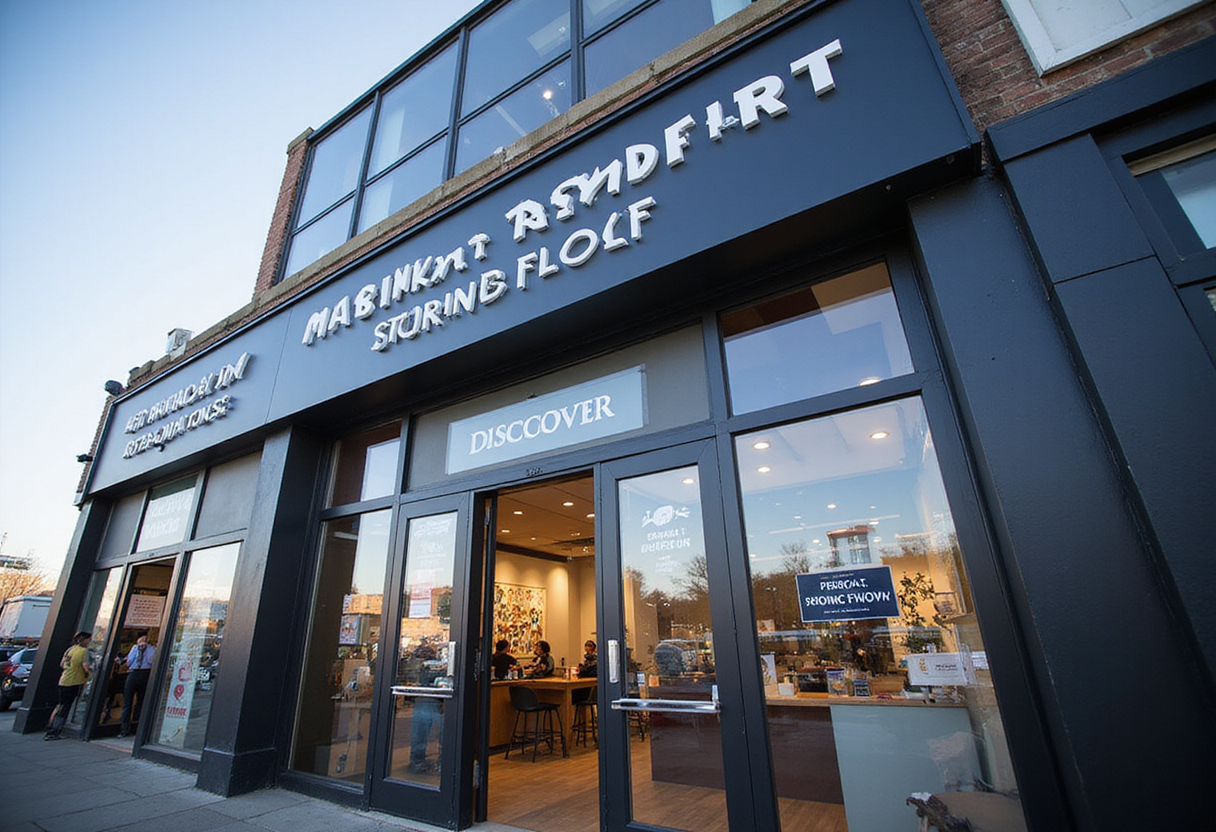
Visitors to Newport generated $340 million in hotel revenue last year, according to Discover Newport, the destination marketing organization that unveiled a stewardship agenda for the Rhode Island coastal market alongside the figure.
The revenue data positions Newport as one of the higher-spending small-market destinations in New England. Hotel revenue captures a slice of total visitor outlay; restaurant, retail and attraction spending typically run another two to three times the lodging line, which would put Newport's broader visitor economy well into nine-figure territory on standard industry multipliers. For operators, that ratio is the working model: each room night underwrites a multiple of food, beverage and ancillary spend across the property and the surrounding restaurant base.
What does the stewardship push change?
Stewardship, in DMO practice, has become shorthand for protecting the destination's inventory of experiences — harbor views, walkable streets, restaurant density, parking capacity and resident goodwill — while continuing to grow room revenue. The model trades volume chasing for yield management: shifting demand toward shoulder seasons, attracting higher-spending segments, and pricing rather than discounting peak weekends.
Discover Newport did not detail every lever in the framework. The stewardship push signals that the organization intends to manage capacity rather than subsidize unlimited growth, a shift that aligns DMO strategy with the operating logic of independent hotels that already restrict discount channels.
Why the $340 million figure matters
For municipal budgets, the number translates into hotel and restaurant tax receipts, seasonal employment hours and retail sales tax. For independent hotels and restaurant operators, the figure is a baseline that operators and the DMO will need to defend in a softer year. A drop in room revenue cascades quickly into lower restaurant covers, shorter shoulder-season runs and tighter labor scheduling.
Hotel revenue also signals pricing power. Newport's ability to sustain that level of room spend points to a destination with constrained supply, brand strength and a captive weekend market — conditions that allow operators to hold average daily rate without resorting to discounting.
What's at stake for Newport operators
The stewardship framing matters less as a label than as a signal that the DMO will now weigh new development and event programming against resident and operator capacity. A destination that protects its lodging base and its dining scene retains the price points that produced the $340 million figure.
For operators, the practical question is which shoulder-season investments move the needle: weeknight packages, mid-market event programming, restaurant week extensions, and ferry or rail partnerships that lengthen average length of stay. Length of stay is the single most powerful lever in destination economics because each additional night converts into another round of F&B, retail and attraction spend that does not require a new guest to acquire.
Discover Newport's next task is converting the stewardship framework into measurable operator outcomes: occupancy targets, ADR benchmarks, restaurant covers per visitor night, and shoulder-season event programming. The $340 million anchor gives the DMO a number to defend and, in a slower year, a number to explain.
More from Marcus Bennett
Show full bio
Market editor covering media and advertising at The Pass Brief.
243 articles