F&B@SEA 2026 to Spotlight Cruise Dining Trends and Awards
F&B@SEA 2026 will spotlight cruise dining trends and industry recognition, with onboard operations serving as a stress test for high-volume foodservice.
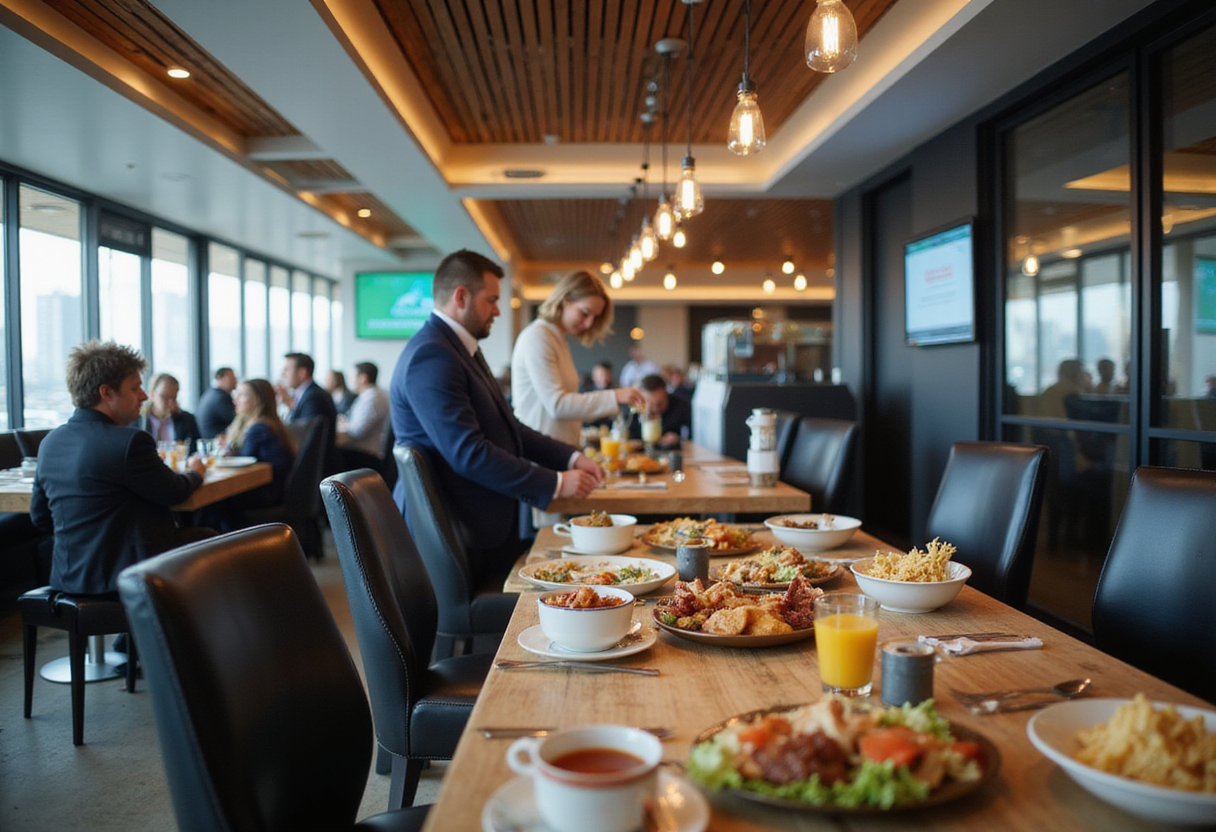
F&B@SEA 2026 will put cruise dining at the center of the food-and-beverage industry calendar, with a program covering emerging onboard dining trends and an awards component recognizing operators across the sector.
The event, covered by Food & Beverage Magazine, frames cruise ship dining as one of the most demanding environments in foodservice. A single large vessel can run dozens of venues at once — main dining rooms, specialty restaurants, casual counters, bars and room service — feeding thousands of covers a day from a compact galley footprint and a supply chain that must be provisioned days or weeks in advance of each sailing.
Those constraints explain why cruise lines have become early adopters of practices that land-based operators are now studying closely.
What makes cruise dining a trend laboratory?
The economics of onboard dining differ sharply from shoreside restaurants. Because passengers have effectively prepaid much of their food experience through the cruise fare, the marginal decision a line faces is how to convert dining into incremental revenue — through specialty dining cover charges, upsold beverage packages and limited-seat chef experiences.
That revenue mix pushes menu engineering to the foreground. Specialty venues must justify an à la carte or per-cover fee against included dining options, which rewards concepts with a clear differentiation hook: a celebrity chef partnership, a cuisine not available elsewhere onboard, or a format that turns the meal into an event.
Provisioning adds a second layer of discipline. With no daily deliveries at sea, inventory planning, waste control and cross-venue ingredient usage become central to food cost management in a way that few land-based operators experience at comparable scale.
Trends expected on the 2026 agenda
Food & Beverage Magazine's coverage signals that trend-spotting remains the core draw of F&B@SEA. Sessions and exhibits typically cluster around several recurring themes in cruise dining:
- Specialty dining expansion, as lines continue converting included venues into fee-based concepts to lift onboard revenue per passenger
- Health-forward and dietary-specific menus, where gluten-free, plant-based and allergen-aware programs must scale across thousands of covers
- Local and port-inspired sourcing, tying menus to itineraries and destination cuisines
- Beverage program innovation, from craft cocktail programs to wine partnerships designed around package pricing
- Back-of-house technology, including inventory and forecasting tools built for long provisioning cycles
The 2026 edition adds an industry recognition component, giving operators, chefs and supplier partners a platform for awards that the organizer positions as a marker of standing within the cruise and broader F&B community.
Why land-based operators watch this event
Cruise dining functions as a stress test for foodservice concepts. When a venue can hold its covers across a week of sailings with a fixed crew, limited storage and a captive but choice-rich guest base, the operating model behind it has been pressure-tested in ways most restaurant groups never attempt.
For suppliers, the event doubles as a procurement showcase. Cruise operators consolidate enormous purchase volumes across protein, produce, beverage and equipment categories, and a single line listing can move meaningful volume for a vendor — which is why the trade-show floor at F&B@SEA draws the same suppliers who serve hotel and restaurant groups.
For independent and chain restaurant operators, the takeaway is less about copying cruise formats than about borrowing the discipline: menu engineering against a fixed guest base, ingredient cross-utilization to control food cost, and tiered pricing that separates included value from premium experiences.
What comes next
F&B@SEA 2026 positions itself as the place where those operating models get debated, demonstrated and — through the recognition program — benchmarked, and the 2026 program suggests cruise dining will keep functioning as an early indicator of where high-volume foodservice is headed.
More from Olivia Hart
Show full bio
Staff writer covering marketplaces and e-commerce at The Pass Brief.
231 articles