Democrats Take 255 House Seats, and Restaurants Get New Local Rules
Democrats won 255 House seats and 24 state legislatures, while NYC voters streamlined outdoor dining permits and D.C. and Denver banned foie gras. Here's what changes for operators.

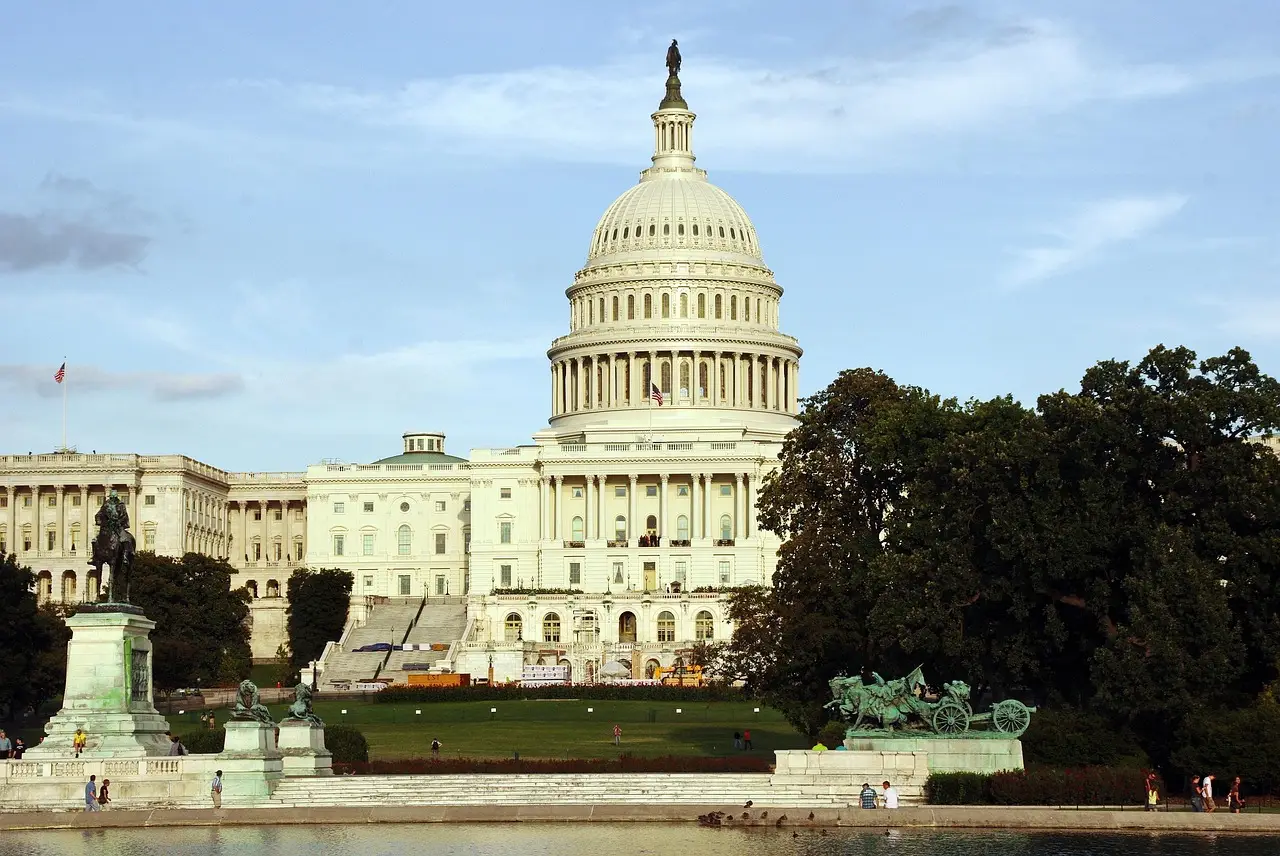
Democrats flipped 44 House seats and seven Senate seats on Nov. 3, giving the party 255 House seats and 54 Senate seats — the biggest blue wave since Watergate more than 50 years ago. For restaurant operators, the practical consequences will land faster at the state and city level than in Washington, where voters also rewrote outdoor-dining and foie gras rules on the same night.
As of Nov. 11, votes were still being counted, including in the too-close-to-call Alaska and Mississippi Senate races. But the congressional picture is set, and the 2027 majority has named oversight and accountability, healthcare reform, AI regulation, and economic relief among its top priorities.
What does the congressional flip change for operators?
Probably not much immediately. It's unclear how much a Democrat-controlled Congress can pass in the final two years of President Trump's last term. What operators should watch instead is the legislative agenda that follows in 2027 and beyond, on issues the industry tracks most closely:
- Immigration reform
- Credit card swipe fees
- Minimum wage and tipped wages
- Trade policy
- Franchise regulation
The practical takeaway: expect employee-friendly legislative pushes to gain traction, especially on wage and scheduling questions that hit labor costs directly.
State-level wins may matter more
Here's the part with faster consequences for a P&L. Democrats flipped at least 12 legislative chambers across nine states, with Arizona, New Hampshire, and Wisconsin flipping both chambers. The party is on track to control 24 state legislatures, up from 18 before the election.
Democrats also won 22 of the 36 gubernatorial races, flipping at least five states blue: Georgia, Iowa, Nevada, Ohio, and Texas, with Alaska still counting toward a possible sixth.
State and local decisionmakers control labor costs, permitting, taxes, alcohol rules, outdoor-dining policy, and compliance costs. Those rules hit an operator's costs far more directly than federal regulation, and the policymaking moves faster.
New York City voted to speed up outdoor dining permits
New York City voters approved a charter amendment to cut the red tape around outdoor dining permits. It makes public hearings optional, combines the sidewalk and roadway cafe application processes, removes the City Council's authority to reject sidewalk cafe permits, and eliminates required newspaper advertisements. The changes take effect March 1, 2027, but don't apply to applications already submitted.
The vote follows an October report from City Comptroller Mark Levine, which found that more than half of restaurants with outdoor dining licenses waited over 19 months for approval since the program launched in 2024. That's a year and a half of lost seating revenue per applicant. Faster approvals could help restaurants add outdoor covers while trimming administrative costs.
Two cities banned foie gras
Voters in Washington, D.C., and Denver approved ballot measures banning foie gras produced by force-feeding birds, including its sale. The D.C. ban takes effect July 1, 2027, provided the city funds implementation, with violations carrying fines of $1,000 to $5,000.
Litigation is already on the horizon. Hudson Valley Foie Gras, a major New York producer, is preparing a legal challenge to the D.C. measure. New York City passed a similar ban in 2019 that has yet to take effect amid ongoing litigation.
Restaurants in both cities that carry foie gras will need to watch implementation timelines, review suppliers, and weigh menu changes. With vote counts still being finalized and lawsuits likely, operators should expect the regulatory picture around labor, permitting, and menu restrictions to keep shifting well into 2027.
More from Olivia Hart
Show full bio
Staff writer covering regulation, policy and their impact on Restaurant and hotel operations at The Pass Brief.
692 articles