CMA Gives McCormick and Unilever One Week to Fix $44.8bn Deal Concerns
The UK CMA has set an 18 November deadline for remedies on McCormick's $44.8bn acquisition of Unilever's food business, citing competition risks in dry mixes and sauces.
The UK Competition and Markets Authority has given McCormick and Unilever until 18 November to offer remedies for their $44.8bn food-asset deal, or face a full Phase 2 investigation.
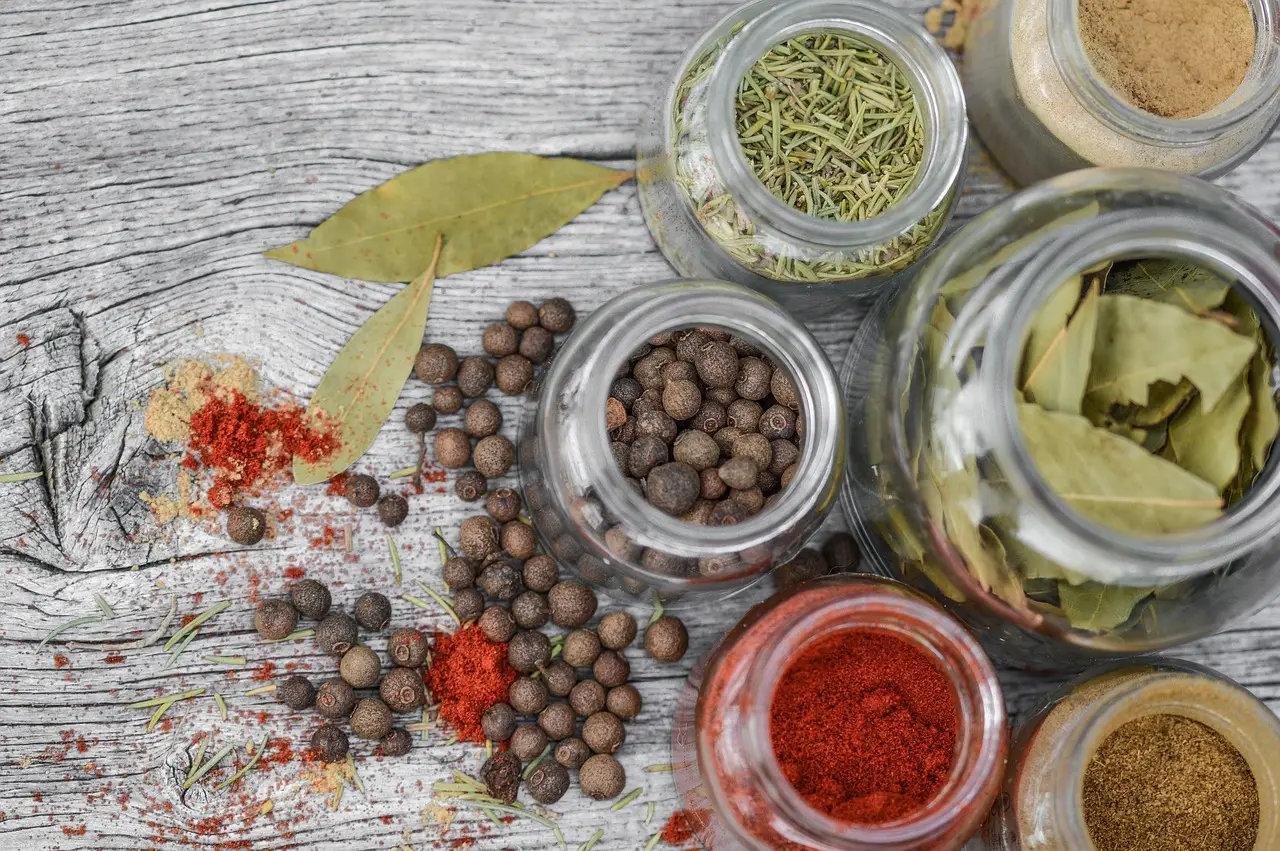
In its Phase 1 decision published on 11 November, the CMA concluded there is a "realistic prospect" of a substantial lessening of competition in the UK. The concerns centre on two supply categories: dry ingredient mixes, such as chilli con carne, and dry pour-over sauces, such as parsley sauce, both sold to retailers.
The deal, announced in March, would transfer most of Unilever's global food business — including Knorr and Hellmann's — to the US-headquartered spices and seasonings maker McCormick. The combined company would be led by McCormick CEO Brendan Foley and CFO Marcos Gabriel.
Why does the regulator see a competition problem?
The CMA found the merger would join the "two largest branded suppliers" of dry cooking ingredient mixes and dry pour-over sauces in the UK. McCormick sells these products under the Schwartz brand; Unilever Foods competes with Knorr. Post-merger, the CMA said, the enlarged group would become the largest supplier in both categories "by far".
The regulator was blunt about the alternatives. It concluded that private label products and branded rivals — the Nestlé-owned Maggi line in dry ingredient mixes, and Premier Foods' Bisto in dry sauces — would impose "only a limited constraint" on the combined entity. It also said it did not expect new competitors to enter and fill the gap.
That finding matters for grocery retail economics. If the merged group dominates branded dry mixes and sauces, supermarket buyers lose leverage in category negotiations. Retailers, not just manufacturers, absorb that shift.
What happens next?
Both companies have until 18 November to submit undertakings in lieu of reference — formal remedies intended to resolve the CMA's findings without a deeper probe. If no suitable remedies arrive, or if the CMA deems any offer "insufficient", the watchdog will refer the transaction to a Phase 2 investigation.
The transaction also remains conditional on clearance from other competition authorities, including the CMA itself. The regulator confirmed it holds jurisdiction because the UK turnover of both McCormick and Unilever Foods exceeds £100m ($132.6m).
Unilever and McCormick have already shown willingness to pre-empt concerns. In August, the companies announced they were seeking a buyer for the Colman's mustard brand, explicitly "to proactively seek to address potential competition concerns". Colman's is one of several exclusions from the deal perimeter, alongside Lipton drinks, Unilever's lifestyle nutrition business, its Buavita unit, and operations in India, Nepal and Portugal.
Mustard escapes scrutiny
The CMA cleared the deal with respect to mustard, finding "no realistic prospect of competition concerns" in that category. McCormick supplies American-style mustard under French's; Unilever produces Colman's English mustard and the French variant Maille.
The reasoning rested on shopper behaviour, not shelf presence. Evidence from major supermarkets showed consumers generally do not view English, French and American mustards as "suitable alternatives to one another". The brands therefore compete in separate lanes.
The Colman's divestment search continues regardless of the clearance. A sale would remove even that limited overlap from the combined portfolio.
What are the financial stakes?
The scale of the assets explains regulator interest. Unilever Foods generated €3.1bn ($3.4bn) in turnover in the third quarter of 2026, with underlying sales growth of just 0.1%. Last year, the division produced €12.9bn in turnover, with USG of 2.5%, accounting for roughly 26% of total group turnover.
McCormick, the buyer, reported a 2% rise in net sales to $6.84bn for its fiscal year ended 30 November 2025. The deal would roughly double the size of the combined food business overnight and shift Unilever further toward its non-food portfolio.
Ownership of the enlarged entity would split three ways: Unilever shareholders at 55.1%, McCormick investors at 35%, and Unilever itself retaining 9.9%.
A pattern of European friction
The CMA decision lands just weeks after another Unilever divestment hit a regulatory wall. The Dutch Authority for Consumers and Markets blocked Unilever's planned sale of the Unox brand to Zwanenberg, concluding the deal would make Zwanenberg the "only major supplier" of smoked and boiled sausages to Dutch supermarkets.
Two European regulators have now scrutinised Unilever's food carve-up within a month. The remedies offered by 18 November — likely divestments of specific UK dry mix or sauce lines — will determine whether McCormick's path to closing stays on the Phase 1 track or extends into a lengthier review.
More from Marcus Bennett
Show full bio
Market editor covering technology and product news in Restaurant and hotel operations at The Pass Brief.
712 articles