Cranberry Prices Climb as Wisconsin Harvest Shrinks Up to a Third
Wisconsin's hail-damaged cranberry crop could fall by a third, pushing Ocean Spray cans to $2.56 even as growers get 7% less — $34.30 a barrel — for their berries.
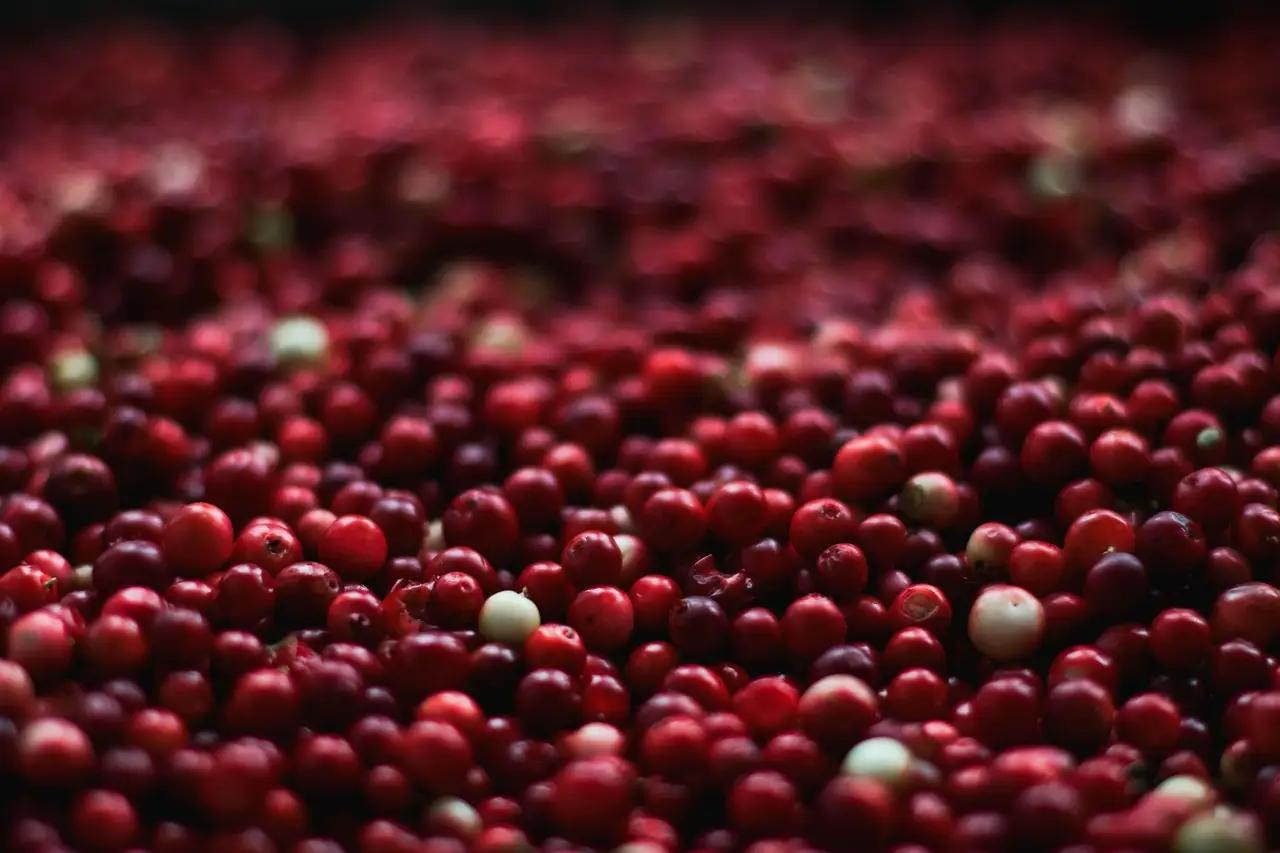
A can of Ocean Spray cranberry sauce averaged $2.56 in late October, up from $2.51 a year earlier, and the squeeze traces straight back to a Wisconsin harvest that could shrink by as much as a third.
Wisconsin grows about 60% of the nation's cranberries, and two consecutive years of hail damage have taken a toll. Harvest Public Media reported the state's crop could be down a fifth from last year. Kevin Tritz of Twin Lake Cranberry offered a bleaker read in FreshPlaza: Wisconsin's harvest may come in a third smaller than 2024's.
The shortfall blindsided forecasters. The US Department of Agriculture's August outlook called for a nearly 5% jump in nationwide production, to 787 million pounds, including a 4.2% increase in Wisconsin. The agency still carried those same production figures in its Nov. 10 report, despite the damage reports piling up. Last year offers a cautionary parallel: the final harvest came in nearly 8% below what the USDA was forecasting on Thanksgiving Day. The final tally for this year's crop won't arrive until May.
What does this change for operators and shoppers?
Retail pricing already moved before the yield news fully landed. An analysis of NielsenIQ data, released last week by The Century Foundation and Groundwork Collaborative, found that the late-October average of $2.56 follows a 22.3% surge in Ocean Spray jellied cranberry sauce prices heading into last Thanksgiving. Across the broader cranberry sauce category, prices adjusted for package size jumped 15% in the 12 months ended Sept. 5, according to separate NielsenIQ figures cited by grocery industry group IGA.
Growers, though, aren't the ones pocketing the difference. The price paid to growers for processing cranberries fell 7% in 2025, to $34.30 per 100-pound barrel, federal data shows. Nearly 96% of the berries US growers sell go to processors rather than the fresh produce aisle — which means grocery margins, not farmgate prices, are absorbing and passing along the volatility.
Rochelle Hoffman, a fifth-generation Wisconsin cranberry grower, told Harvest Public Media that production costs sit at "an all-time high," with her hauling company billing extra just to cover diesel. Her input inflation is running straight into a falling crop — a brutal combination for a grower whose berries largely feed the processed market.
The squeeze hasn't yet triggered contract renegotiations. Tritz told FreshPlaza that processor contract prices were already settled over the summer, before the poor yields became clear, so this fall's smaller-than-expected Wisconsin crop won't immediately change what processors pay.
Ocean Spray, for its part, has pledged to hold prices steady on fresh cranberries and cranberry sauce through the holidays, according to NBC10 Philadelphia. Retailers are already leaning into discounts ahead of Thanksgiving: Walmart's website listed 14-oz. cans of Ocean Spray's jellied and whole-berry sauces at $2 apiece on Thursday, down from $2.47.
So the near-term picture splits in two. Shoppers and foodservice buyers see modest list-price increases and heavy promotional support through the holidays, while growers absorb higher costs against a smaller crop and flat contract terms. The real test comes in May, when the USDA's final tally lands — and when processors sit down to set contract prices for a 2026 season that Wisconsin growers will be working to rebuild.
More from Daniel Okafor
Show full bio
Correspondent covering companies, deals and strategy in Restaurant and hotel operations at The Pass Brief.
805 articles