Coury Hospitality Adds Two Management Deals in National Push
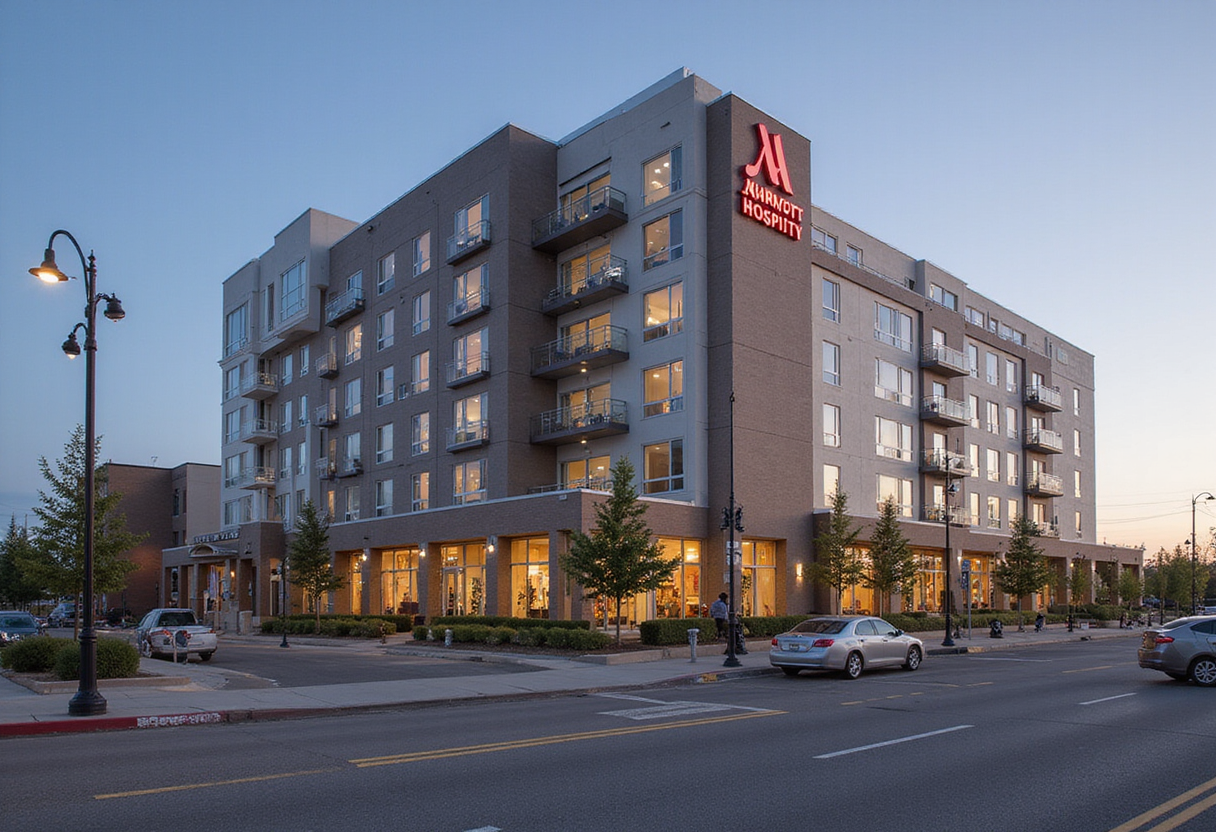
Coury Hospitality has expanded its U.S. management portfolio with two new appointments — the independent-branded THE RIVVY and the flagged Marriott Tacoma Downtown — extending its national footprint.
Coury Hospitality has expanded its U.S. management portfolio with two new appointments — the independent-branded THE RIVVY and the Marriott Tacoma Downtown — extending its national footprint, the company announced via Hospitality Net.
The two deals add a non-system property and a Marriott Bonvoy-flagged full-service urban hotel to the operator's roster.
How do operator economics differ across the two assets?
Independent assets like THE RIVVY typically give operators tighter control over F&B programming, menu engineering, sourcing and labor deployment, since the property sits outside franchise brand standards. GOP margins depend on direct operating discipline — COGS, labor percentage, ADR capture — rather than on brand-driven distribution scale.
Flagged Marriott properties carry the opposite cost architecture. Bonvoy demand and global reservation scale reach the front desk, but operators absorb royalty fees — typically 5% to 6% of room revenue — along with mandated property improvement plans, brand-set operating standards and required brand-program participation. Those fixed costs compress GOP and tighten the operating leverage an incentive-fee tier depends on.
What does a typical management contract pay the operator?
Standard third-party management agreements structure compensation around a base fee tied to total revenue or GOP at low single-digit percentages, plus an incentive fee tied to performance thresholds. Specific terms of the Coury appointments were not disclosed.
Ownership behind each asset was also not disclosed. Operator agreements are typically structured fee-for-service, leaving real-estate ownership and capex obligations with separate asset-holding entities.
What does the geographic mix reveal?
Marriott Tacoma Downtown places Coury in a Pacific Northwest urban market historically underserved relative to coastal-tier demand. Pairing that flagged exposure with an independent-branded property balances the operator's cost profile: franchise-cost compressed on one side, cost-discretion independent on the other.
A diversified management book also balances capex risk. Flagged assets face periodic PIP-driven capital obligations in renewal years. Independents cap brand-driven capex but require continuous F&B and programming reinvestment to defend ADR.
How does the labor stack read in this market?
Washington state imposes one of the nation's higher minimum wage floors, with Tacoma operators absorbing state-mandated wage, leave and benefit costs that lift labor percentage across rooms and F&B. Combined with brand-set service standards at the Marriott asset, labor becomes the single largest variable line item operators must manage to defend GOP — particularly where F&B mix runs deep, since labor can absorb 28% to 35% of F&B revenue at full-service independents.
What's next
Watch for PIP execution timelines on the Marriott asset and any F&B repositioning at THE RIVVY. GOP-margin trajectory across both properties over the next two operating years will set the incentive-fee tier under the management agreements and signal whether the pair lands inside the operator's projected case as Coury continues its third-party growth channel.
More from Elena Vasquez
Show full bio
News editor covering industry trends and analytics at The Pass Brief.
245 articles