Chili's Posts 50% Same-Store Sales Gain on $100M Marketing Bet
Chili's same-store sales are up 50% over three years as marketing spend quadrupled to $132M. AUVs reached $5M. Next target: Mexican QSR.
Chili's same-store sales have climbed a cumulative 50 percent over three years, and average-unit volumes have grown from $3 million to $5 million per restaurant. Brinker International's flagship disclosed those figures at its investor day, where CMO George Felix and CEO Kevin Hochman laid out the mechanics of a turnaround built on marketing spend, menu surgery and labor reinvestment. The caveat: most figures are company-reported, and comparisons rest on a base depressed by the pre-2022 brand.
Where did the money go?
The spend breakdown is concrete. Chili's committed more than $100 million to facilities. It raised marketing outlay from roughly $32 million in the opening calendar under Felix and Hochman — both Yum! Brands veterans — to about $132 million three years later. By 2026, the company was investing $160 million more in labor than it did in fiscal 2022.
Menu architecture shrank while sales grew. Chili's cut 50 items in 2017, a 40 percent reduction from a 125-item menu. Under Hochman, roughly 60 percent of the menu was renovated and more than a quarter of total items removed. The focus narrowed to burgers, crispers, fajitas, margaritas and the Triple Dipper.
What do the traffic numbers show?
Traffic rose 1.5 percent in the fourth quarter, on top of 16.4 percent, for a two-year figure of 17.8 percent. Over two full fiscal calendars, traffic surged 19.6 percent. Chili's has logged five consecutive years of same-store sales gains totaling 70 percent, and AUVs moved from $4.5 million to $5 million in roughly the past year.
The "Five to Drive" categories nearly doubled in sales over 36 months. The Triple Dipper is up about 300 percent, growing from a $220 million item to more than $860 million in fiscal 2026 — 16 percent of total sales.
"So, what we have is a proven marketing model," Felix said. "And the next phase is about doubling down on it."
How does the value platform hold?
The 3 For Me platform sits at $10.99, with a $6 margarita. Hochman said that tier runs $3 to $4 lower per person than casual-dining competitors. The burgers in that deal are nearly half-pound products.
Felix addressed the obvious threat: rivals undercutting the price. "We already know the answer because literally every single brand across fast food, fast casual, and casual dining have done this," he said. "You see $1, $3, $5, $9.99 in casual dining. It hasn't slowed Chili's down. And the reason is that at Chili's we believe that true value is more than a price point."
Margins, in Hochman's telling, work through mix. "Not every customer wants a $6 margarita with good tequila," Hochman said. "Some customers want the most premium tequila. Some customers want steak or ribs. So, as long as we're meeting all consumers' needs, we're able to make the margins work."
Chili's poured 30 million margaritas in 2025 and claims the No. 1 alcohol share in the industry. One in four margaritas sold is now frozen, after a Patrón Frozen lineup launched at $10 addressed a gap the insights team found — more than half of surveyed margarita drinkers preferred frozen, while the menu carried 12 rocks options and one frozen.
What comes after burgers and chicken?
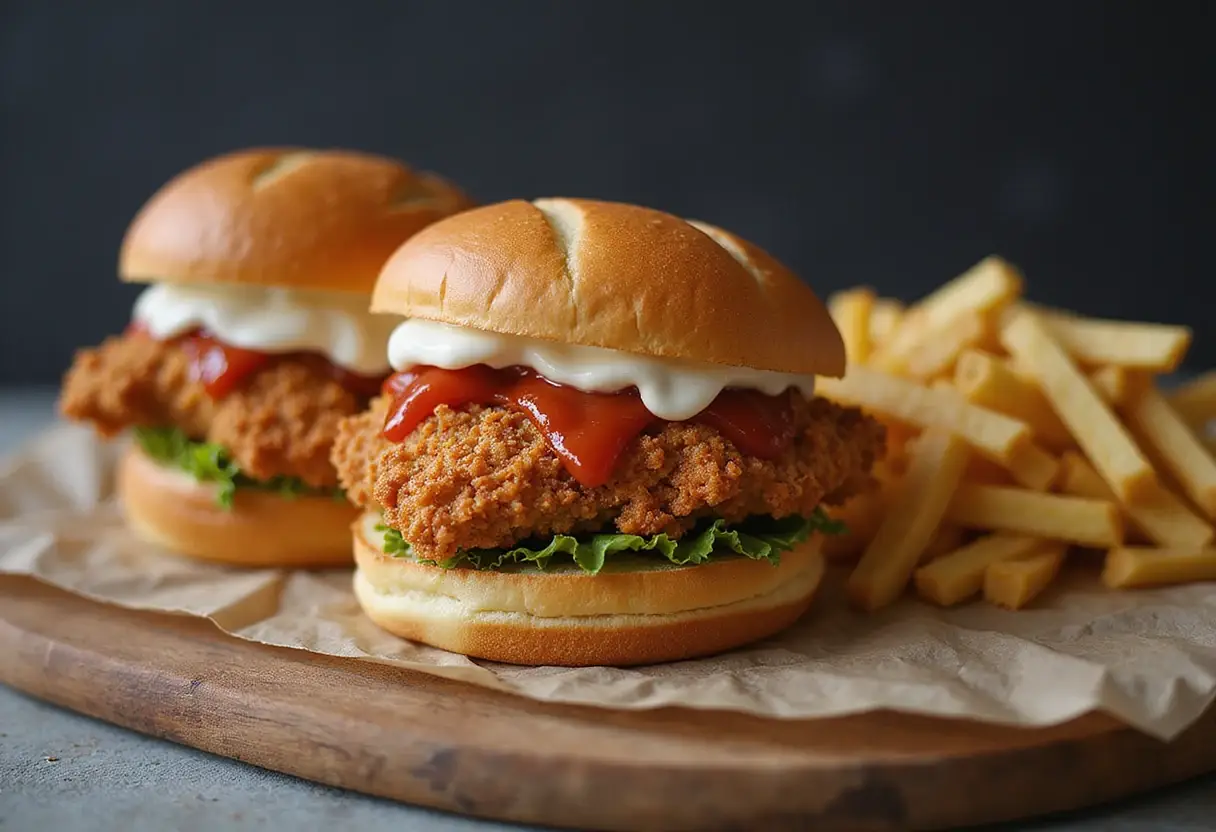
The burger category grew from $400 million to north of $600 million, up 50 percent since the 2024 campaign launch. Big Crispy chicken, introduced in April with six variations, lifted chicken orders 175 percent. Chili's projects Big Crispy as a $220 million category, up from a $96 million segment.
Next is Mexican QSR, likely a two-year project. "Why wouldn't Chili's, who has a right to win in this category, take that category on next?" Felix said. Candidate formats include Chicken Crisper tacos in base, spicy or sauced versions. Felix said he sees "five years of a pipeline" when Mexican is added.
The Chicken Crisper business doubled in three years without advertising, through menu merchandising and product upgrades alone. That claim is plausible given the category's size, though the company did not break out the dollar figures.
Is the viral growth engineered?
Felix pushed back on the idea that the 2024 cheese-pull TikTok, which crossed 4 million views, was luck. Chili's mobilized its social and innovation teams after the moment, launched Nashville Hot and Honey Chipotle mozzarella flavors, activated influencers, and sold Triple Dipper bedding and a Halloween costume.
"Most brands have a viral moment and their sales spike for one to three weeks, then their business normalizes again," Felix said. "For us, when we saw the viral moment happening with the cheese pull and the Triple Dipper, we mobilized our social media team and our innovation team to figure out how can we pour gas on the fire and sustain this."
From 2024 to 2026, Chili's added 40 million guests. Gen Z now makes up about 25 percent of its mix, and Felix said the core audience grew alongside it. Casual dining is a $116 billion market; Chili's holds about 5 percent. Felix argued that consolidation favors strong brands, leaving what he calls huge headroom for share gains.
More from Marcus Bennett
Show full bio
Market editor covering technology and product news in Restaurant and hotel operations at The Pass Brief.
508 articles