Chick-fil-A's Shared Table Hits 90% of Units, 50 Million Meals Donated
Shared Table operates in 90% of Chick-fil-A restaurants and has produced over 50 million meals. CEO Andrew Cathy says rivals are close to setting a shared industry goal on hunger and food waste.
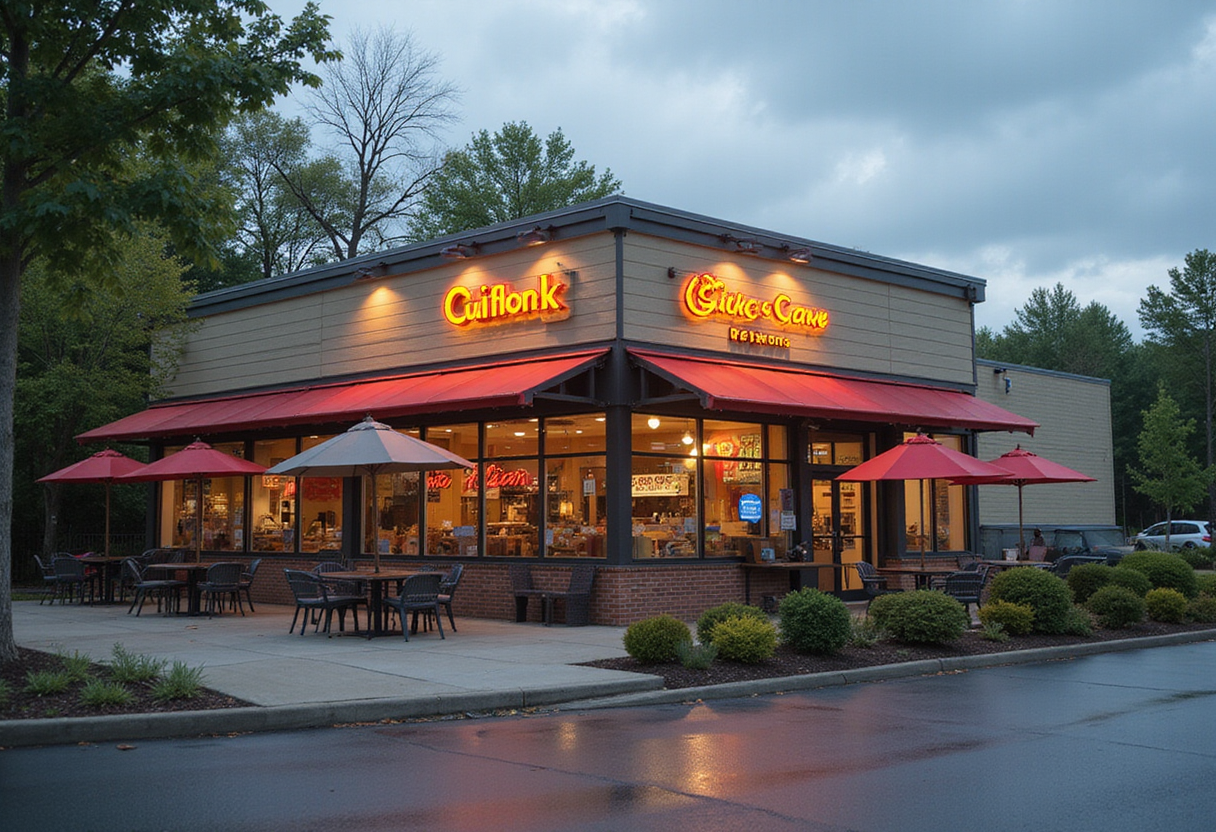
Chick-fil-A's surplus-food donation program, Shared Table, now operates in 90% of the chain's restaurants — up 10 percentage points in three years — and has generated more than 50 million meals, including over 8.6 million so far this year.
The program traces back to the 1990s, when owner-operator Marshall Wilkins began donating surplus food from his Knoxville, Tennessee, restaurant to a local nonprofit. Chick-fil-A formalized the effort in 2012 with logistics support, internal goals and awareness campaigns, then rolled it out systemwide. Participating restaurants now partner with more than 1,600 nonprofit organizations nationwide.
The initiative took on greater weight in 2021, when Andrew Cathy — grandson of founder Truett Cathy — became CEO of the privately held chain.
Why the CEO is personally invested
"We are passionate about using this business to make a difference. It goes back to how my grandfather created this business," Cathy said during a recent interview in New York City.
Truett Cathy opened the Dwarf House in 1946, the precursor to the first Chick-fil-A in 1967. He led the company for 46 years before his son Dan took over in 2013; Andrew followed in 2021. Truett grew up in poverty, living in Georgia's first government housing.
"My grandfather grew up in poverty. He lived in the first government housing in the state of Georgia," Cathy said. "He would go to the grocery store to pick up food because you could buy things on credit and they wouldn't let him buy anymore because they hadn't paid their bills. As a family, they would share a couple of slices of bread and that was all they had."
Cathy's own understanding of the scale of the problem sharpened during his service on the board of the Atlanta Community Food Bank.
"That's when it became a real understanding," he said. "It's hard to comprehend that in 2026, one in seven Americans don't know where their next meal is going to come from. And it impacts every single county in the U.S."
Where the industry effort stands
Cathy is now pushing for a cross-industry coalition, arguing that even Chick-fil-A's participation levels leave the problem largely untouched.
"Even with us having so many operators participating, we're barely making a dent. How can we collaborate with others in the industry to really make a difference?" he said. "We can be competitors in the marketplace, but we can work together to make a difference, and I'm really passionate about opportunities to do that."
Cathy said he has talked to "just about every CEO" in the restaurant industry, and all have expressed interest. No formal structure exists yet, but the group is "getting close to having a goal." Companies are also exchanging operational details of their programs, including efforts like partnerships with No Kid Hungry.
"The learnings from each other have been really exciting," he said. "We are an open book about what's worked, what hasn't. Others have shared what they're doing. Everyone is opening up their books so we can work together."
The stated targets anchor the effort in two numbers:
- Reduce the 22 billion pounds of food thrown away in the U.S. each year
- Increase the 4.5 billion pounds of food processed annually by Feeding America
What comes next
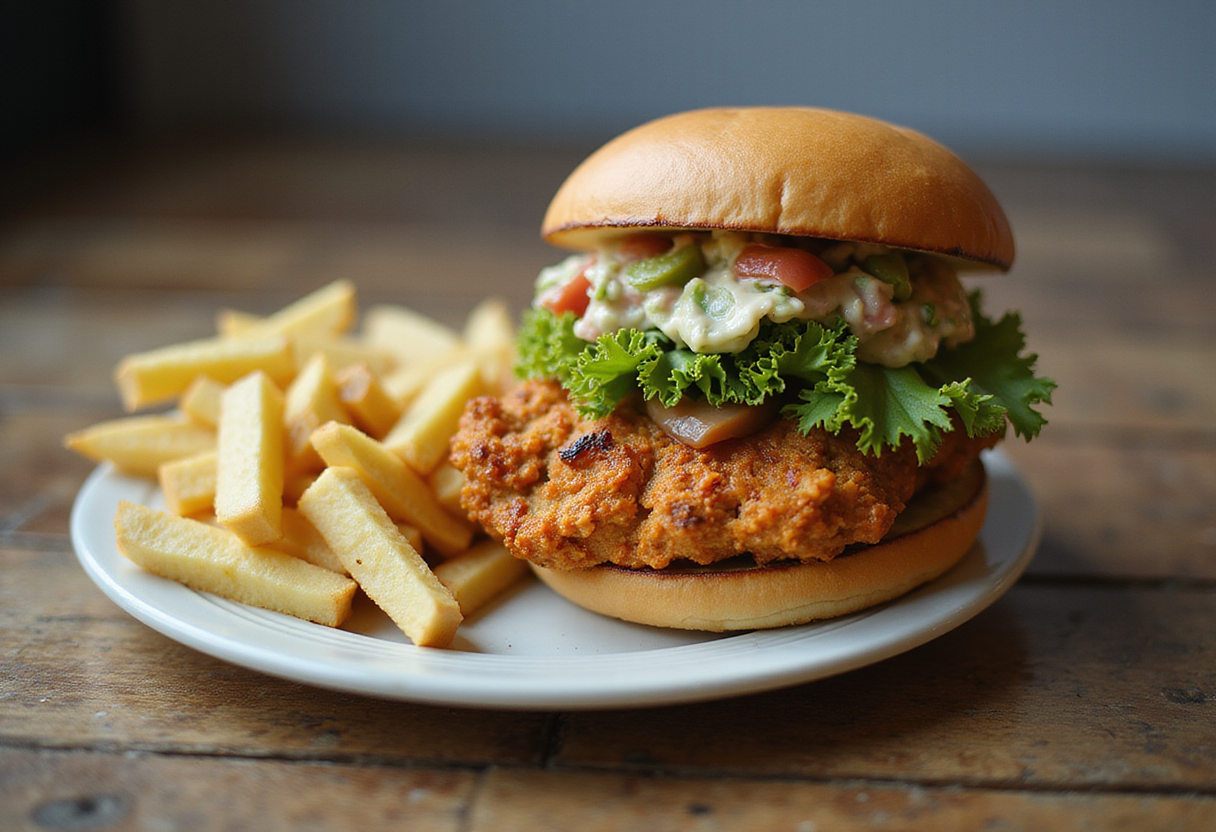
Cathy framed the near-term agenda as continued talks with competitors, development of "holistic" solutions and broader awareness-building across the industry — a point he made at a Shared Table popup event held Sept. 30 at The Oculus in Manhattan's Financial District, timed to the last day of Hunger Action Month. The event gave away chicken sandwiches and donated a meal to The Bowery Mission, the program's New York City partner, for each visitor.
"Imagine if the whole industry was doing this. The impact could be massive, and I think a light lift to figure out how to get better at these things," Cathy said. "We can do so much more together than we can do independently."
With CEO-level conversations underway and a shared goal reportedly near, the next indicator to watch is whether a formal industry-wide commitment — with published waste-reduction and meal-donation targets — emerges in the coming year.
More from Daniel Okafor
Show full bio
Correspondent covering consumer brands and retail at The Pass Brief.
216 articles