Brightpath Adds NY Hampton Inn to U.S. Portfolio
Brightpath has acquired a New York Hampton Inn, adding a franchised Hilton Worldwide midscale asset to its U.S. footprint. Terms were not disclosed; what it signals about Northeast select-service M&A is the real story.
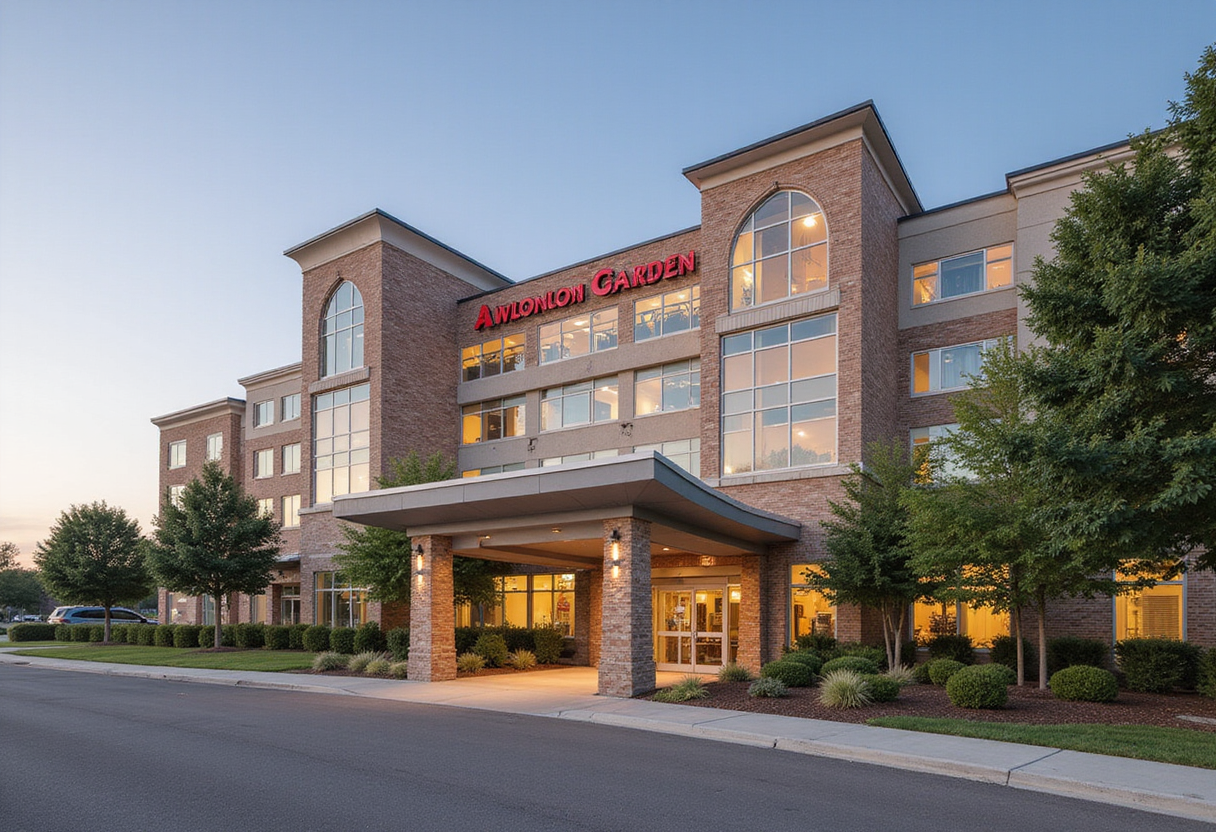
A New York Hampton Inn is now under Brightpath ownership.
The transaction, reported this week by Asian Hospitality, hands the buyer a Hilton Worldwide midscale flag in one of the country's tightest lodging markets. Deal terms did not surface in the announcement.
Hampton Inn runs almost entirely on a franchise model. Properties carry standardized room counts, a signature hot breakfast program and the brand's "Hamptonality" service culture. Owners pay royalty and marketing fees against gross room revenue — typically in the 5% to 9% combined range — while Hilton delivers system-wide reservation flow through its enterprise and Honors database. The model keeps the asset light, the brand heavy.
What does the brand demand of an owner?
A Hampton Inn flag carries operational obligations any new buyer inherits. The brand mandates the "On the House" hot breakfast, a fitness room, a small meeting space and full Honors integration. Owners must meet periodic property improvement plans, refreshing guestroom soft goods, casegoods and bathroom fixtures on a brand-mandated cycle.
Brightpath inherits that obligation now. How aggressively the buyer tackles that PIP — full renovation or phased refresh — will shape near-term capex and GOP margins. Standardized F&B (just breakfast) keeps food cost predictable. Labor at a stabilized suburban Hampton usually runs in the 25-30% range of total revenue, leaving headroom to flex pricing during peak weeks.
Why this asset class, and why now?
Select-service M&A has cooled from its 2021-2022 peaks. Bid-ask spread remains wide: sellers anchored to pandemic-era cap rates, buyers discounting for higher debt costs and a softer leisure traveler. Brightpath's move points one of two ways — either the buyer believes Northeast select-service still has 12-18 months of recovery left, or it sees long-hold value in a stabilized asset underwriting at today's debt pricing.
The Asian Hospitality sourcing of the announcement hints at cross-border capital. Asian institutional investors and family offices have been net buyers of U.S. midscale lodging for several years, often partnering with U.S. third-party operators. Whether Brightpath will operate the asset directly or hand the keys to a domestic management company hasn't been disclosed.
What changes for the property — and for the market?
For guests, almost nothing. Hampton Inns look and run the same regardless of owner. For the property's existing GMs and line staff, ownership transitions typically bring six to twelve months of brand audits, system conversions and sometimes a PMS or revenue-management platform swap. Front-line service usually survives intact.
For the broader market, the deal is modest. New York has thousands of branded rooms; one Hampton Inn adds a single asset to a deep Hilton select-service bench. What the transaction signals is what matters — to other institutional buyers, to lenders and to competing owners, that Northeast select-service still clears at workable prices.
The next tell will be Brightpath's second U.S. move, and whether this contract opens the door to a portfolio play.
More from Daniel Okafor
Show full bio
Correspondent covering companies, deals and strategy in Restaurant and hotel operations at The Pass Brief.
330 articles