Banff doubles down on wellness: three new spas and a $115M renovation
Banff has added four spa and hydrotherapy facilities since last year, including the Bathhouse at Rimrock Banff built on a $115 million CAD renovation, as operators chase recovery-side spend.
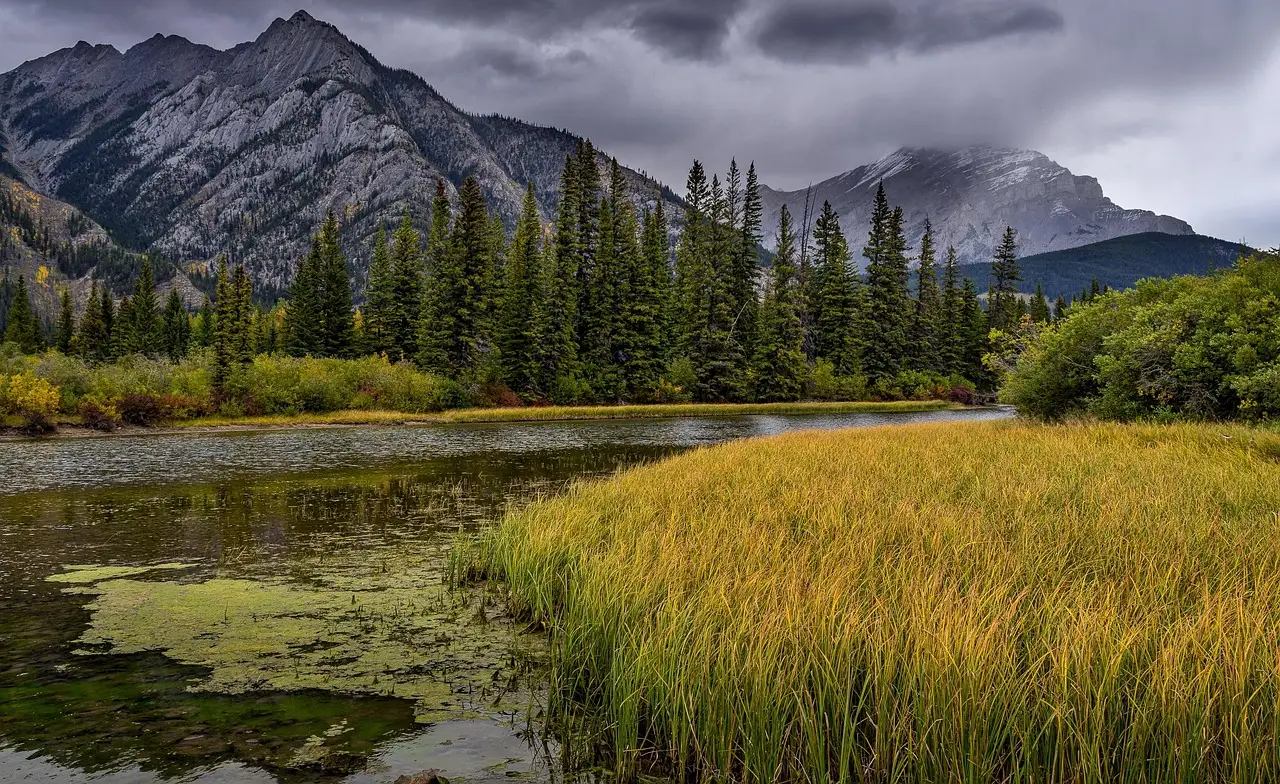
Banff's resort sector has opened four spa and wellness facilities in roughly 18 months, capped by a $115 million CAD property-wide renovation at the Rimrock Banff — a build-out that treats recovery as seriously as the region has always treated the ski hill.
The pivot is now official positioning, not just operator instinct. Banff & Lake Louise Tourism, the region's destination marketing body, actively promotes the area as a wellness destination on its own site, describing it as "the ideal environment to recharge and restore before setting off on your next adventure." The page sells guided forest bathing, Indigenous medicine walks and yoga alongside the region's long-standing draws.
The baseline anchor is hydrothermal. Banff Upper Hot Springs alone pulls 300,000 visitors a year — a number that predates the current spa wave and explains why operators see a proven audience for water-based recovery.
Who is building what?
The capital commitments stack up quickly:
- Banff Park Lodge opened Mountain Whisper Spa last year, running sound baths, massages, biofield tuning, energy healing, light therapy, cupping and manual osteopathy.
- The Kenrick Hotel followed a few months later with a renovated hydrotherapy spa featuring whirlpools, steam, sauna and cold plunge.
- Fairmont Chateau Lake Louise opened Basin Glacial Waters Spa last September, a thermal bathing concept built around contrast therapy — heated pools, cold plunges, steam rooms and saunas with Aufguss rituals.
- The Bathhouse at Rimrock Banff, Emblems Collection, the newest entrant, opened this fall after that $115 million CAD renovation, with a Finnish sauna facing the Canadian Rockies, a salt infrared sauna, cold plunge, steam room, heated infinity pool and outdoor personal saunas with fire pits.
What does this change for the operator?
The economics matter here. Mountain properties have historically sold beds around a seasonal adventure calendar — skiing in winter, hiking in summer — which leaves shoulder periods soft and rate pressure high. Spa facilities, wellness suites and programming like alpine yoga and stargazing deepen per-guest spend and give the destination a year-round, weather-proof product.
Robin Ruiz, president and CEO of the Wellness Tourism Association, frames the shift as demand-led rather than supply-invented. "People are increasingly prioritizing their physical and mental well-being, and those priorities don't disappear when they go on vacation," she said. Mountain destinations, she noted, hold "an authentic connection to nature" that guests increasingly value — fresh air, forests, lakes — and those assets, unlike programmed treatments, "are often intrinsic to the destination itself."
Her sharpest point for owners: "The beauty of mountain destinations is that they don't have to reinvent themselves to become wellness destinations. So much of what travelers are seeking is already there." In capital terms, that means renovation dollars go further than they would in an urban conversion.
The room-level merchandising
The Rimrock pushes wellness down to the guest-room level. Its Wellness Studio suite, positioned near the Bathhouse and the Movement Center, comes with a wellness concierge, Therabody tech, yoga equipment and a wellness minibar stocked with adaptogenic teas and healthy snacks. Sleep is merchandised too — sleep tech, masks, aromatherapy sprays and a pillow menu. The Movement Center carries Technogym and Peloton equipment plus climbing walls and fitness classes, and the hotel's Expeditions Centre arranges everything from hiking and biking to forest bathing and stargazing.
"These experiences aren't necessarily changing why travelers visit these destinations," Ruiz, who also founded and runs WITT (Wellness in Travel & Tourism), added. "They're complementing what already makes them special." Her read on the demand signal: travelers want "the freedom to enjoy both active experiences and opportunities to relax and recharge," and however differently they define wellness, the underlying desire to feel better is universal.
For Banff's operators, that translates to a straightforward proposition: the adventure guest is already in the building. The spa is how you capture the second, recovery-side spend.
More from Daniel Okafor
Show full bio
Correspondent covering companies, deals and strategy in Restaurant and hotel operations at The Pass Brief.
813 articles