Austria Warns Against Sicilian Cherry Tomatoes as Salmonella Outbreak Spans 10 Countries
Austria warns against raw cherry tomatoes from Sicily's Ragusa and Caltagirone zones... correct: Ragusa and Caltanissetta, as 160-plus Salmonella cases hit 10 countries since July 2026.
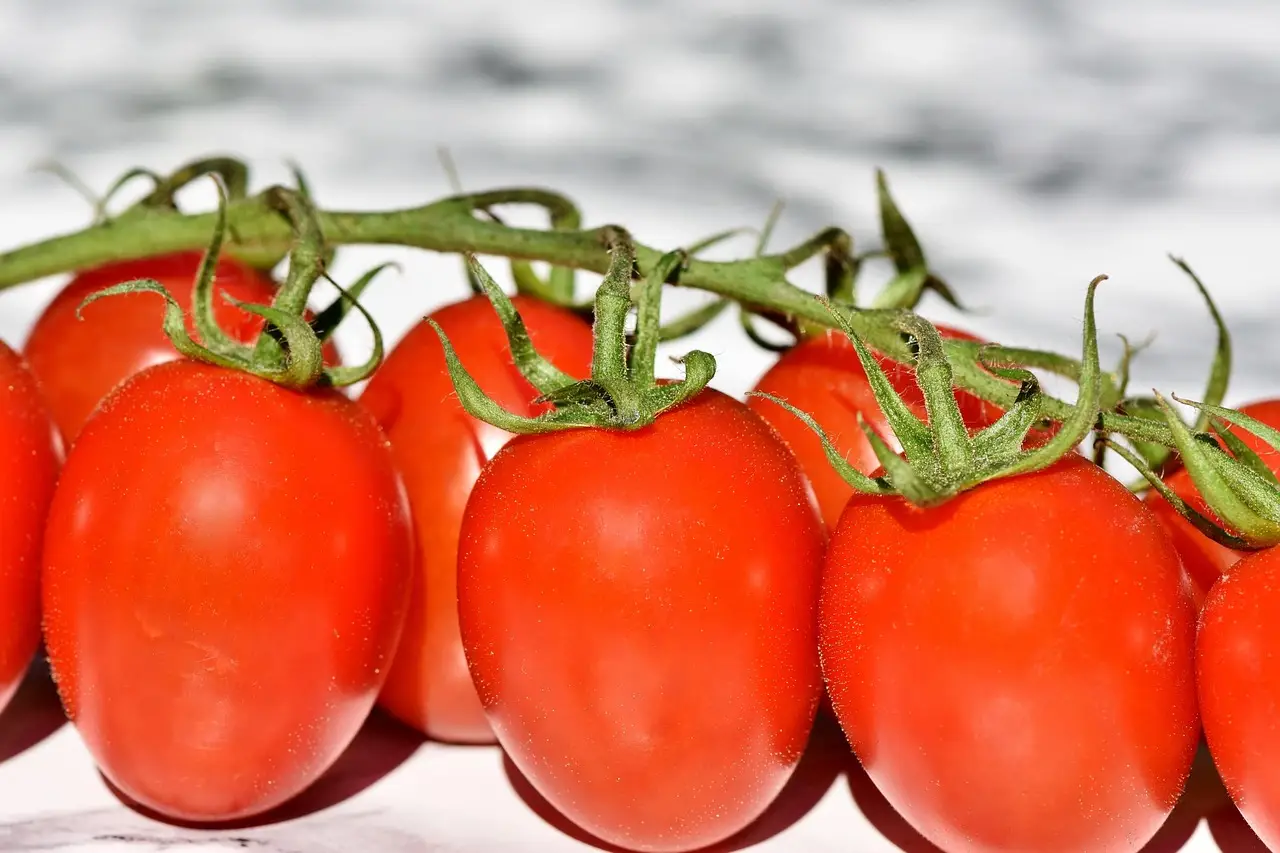
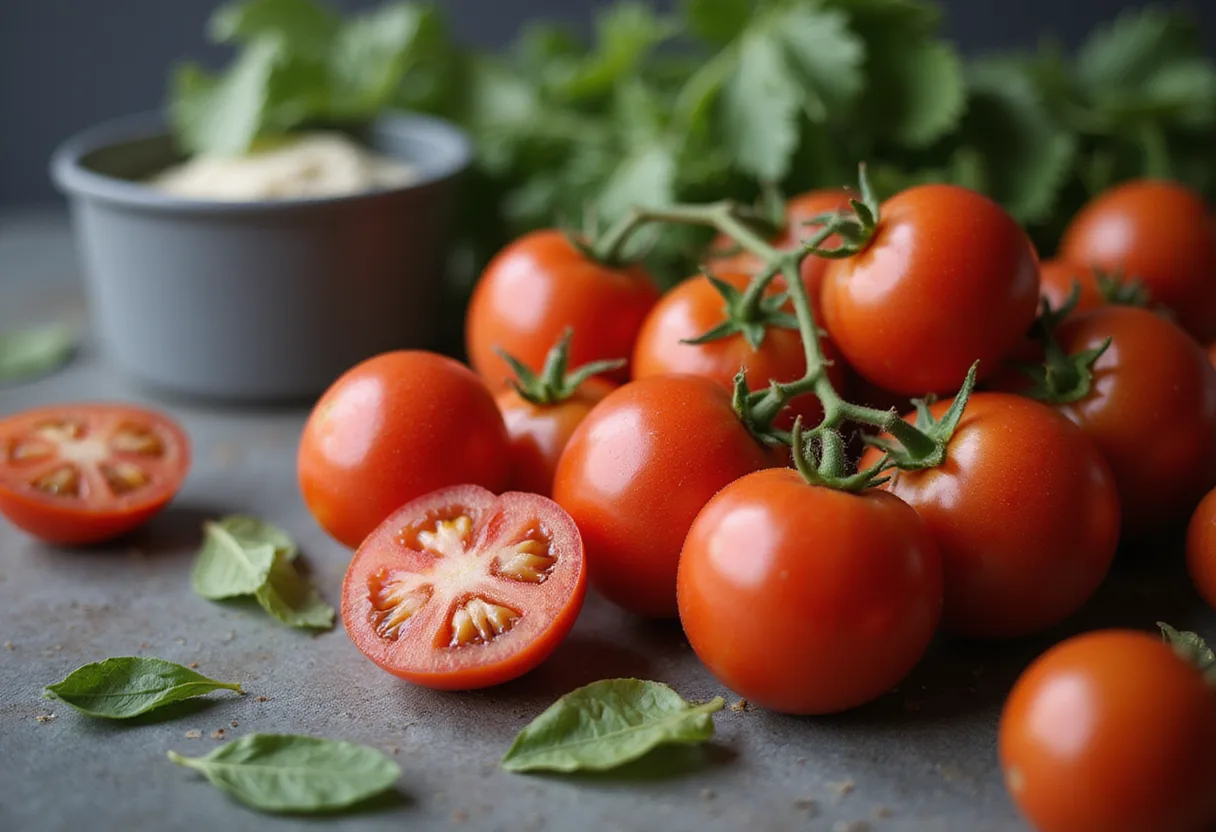
Austria has warned consumers against eating raw cherry tomatoes from Ragusa and Caltanissetta in Sicily, after linking the produce to recurring Salmonella outbreaks. The Austrian Agency for Health and Food Safety (AGES) and the Federal Ministry of Labour, Social Affairs, Health, Care and Consumer Protection (BMASGPK) issued the alert. If operators must use tomatoes from those regions, officials said, the fruit should be thoroughly heated before serving.
The warning lands on an outbreak that is neither small nor new. Since July 2026, more than 160 confirmed infections have been recorded across 10 European countries, with sequencing results pending for 100 more patients.
What does the warning cover?
The Austrian alert targets raw cherry tomatoes from two Sicilian provinces. AGES and BMASGPK advise against consumption unless the tomatoes are cooked through. That is a menu-engineering problem, not a PR one: any dish featuring raw cherry tomatoes — salads, bruschetta, burrata pairings — now carries a heating requirement or a substitution cost if the product originates from the affected zones.
Italian authorities found monophasic Salmonella Typhimurium and Salmonella Strathcona in cherry tomatoes earlier this month. They also reported 117 salmonellosis cases in Brescia and 15 in Bergamo.
How severe is the Austrian case count?
Austria has recorded 21 confirmed and eight probable Salmonella Strathcona cases across seven federal states. Seven people required hospitalization. The median age is 36, spanning 10 months to 79 years, and the 29 patients comprise 17 males and 12 females.
Interviews point to travel in Italy and tomato consumption. Six cases were likely infected abroad: five patients had traveled to Italy, one to Croatia. One person fell ill during the winter; 28 fell ill from the end of July.
What are institutional caterers doing?
Authorities in Puglia have suspended the serving of raw fresh tomatoes in institutional catering. The scope is broad and precise:
- Nurseries and schools
- Social care and healthcare facilities
- Residential care homes and hospitals
- Food preparation centers and distribution points
The measures followed a rise in Salmonella Strathcona infections and detection of Salmonella in a batch of tomatoes from Caltanissetta. For contract caterers, a raw-tomato ban across entire institutional channels is a sourcing decision with a multi-month horizon, given that cases occur mostly from late summer through December.
Slovenia has also acted. In October, the Food Safety, Veterinary and Plant Protection Administration (UVHVVR) learned that a lot of Italian cherry tomatoes had been delivered to several catering companies between Sept. 7 and 9, following confirmed Salmonella presence that had caused illness in other member states. Checks found all stocks had been used and were not available to consumers through retailers. UVHVVR has recorded no tomato-linked outbreaks since Sept. 7.
Is the contamination source persistent?
Yes, and Europe's disease agency says so plainly. The European Centre for Disease Prevention and Control (ECDC) states the recurrence of cases suggests ongoing transmission and distribution of contaminated produce both in and beyond Italy.
"The risk for new infections remains as long as the seasonal delivery of contaminated produce continues. New outbreaks are likely to occur in future seasons until the root cause of the contamination has been identified and control measures implemented."
The pattern is seasonal and long-running. Between 2023 and 2026, 800 people have fallen sick in 17 European countries, including 133 in Austria. Germany posted its largest Salmonella Strathcona outbreak in the 2025-2026 season, with 116 cases; the Robert Koch Institute (RKI) reports 39 patients associated with the outbreak since June 2026.
The evidence points to one origin. Close genetic relationship, the seasonal case pattern, patient interviews and food investigations all support a common contamination source. In late 2025, AGES detected the outbreak strain in organic cherry tomatoes from Italy, and the same strain appeared in the irrigation water of a Sicilian tomato producer.
Until that root cause is fixed, buyers of Sicilian cherry tomatoes face a simple choice each season: verify provenance, cook the product, or switch suppliers. The ECDC expects new outbreaks otherwise.
More from Rebecca Stone
Show full bio
Senior reporter covering technology and product news in Restaurant and hotel operations at The Pass Brief.
502 articles