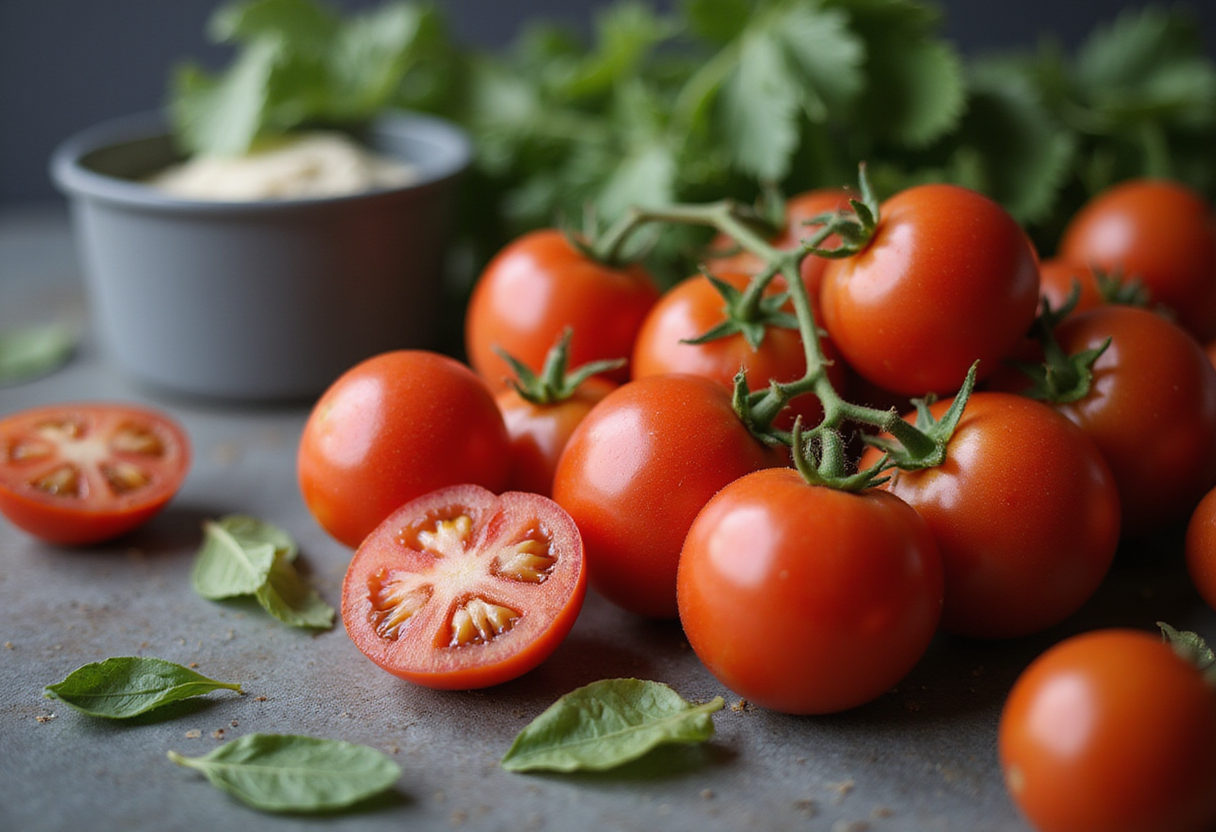
Puglia Suspends Tomato Sales in Canteens Over Salmonella
Lecce's health authority suspended tomato sales in canteens after Puglia officials reported salmonellosis cases linked to tomato consumption, in a precautionary food safety move.
Health authorities in Italy's Puglia region have suspended tomato sales in canteens after reports of Salmonella infections linked to the produce.
The Lecce Local Health Authority (ASL) took the precautionary measure following a notification from regional officials about cases of salmonellosis connected to tomato consumption. The suspension applies to canteen service — a channel that includes institutional and workplace foodservice — rather than a general retail recall.
The move makes Puglia the second notable European produce-linked Salmonella response this year, and it lands in a category — fresh produce served in bulk foodservice — where traceability and volume handling complicate investigations.
What does the suspension cover?
The ASL's measure is precautionary and targets canteens specifically. According to the notification from Puglia regional officials, the salmonellosis cases under investigation are linked to consumption of tomatoes.
Key elements of the response so far:
- The Lecce Local Health Authority (ASL) issued the suspension.
- Puglia region officials provided the notification that triggered the action.
- The measure affects tomato sales in canteens.
- No further product scope or case counts have been disclosed at this stage.
For operators running canteen contracts in the province, the immediate effect is a forced menu substitution. Tomatoes are a staple input across salads, sauces and garnishes in institutional foodservice, and removing them mid-cycle typically requires emergency re-specifying of recipes and supplier orders.
Why canteens are the intervention point
Canteens concentrate large volumes of the same produce item across many diners, which makes them an efficient sentinel for detecting an outbreak signal — and a high-risk channel if contamination is present. A regional notification linking infections to a specific product gives the local health authority grounds to act at the point of mass consumption first.
Precautionary suspensions of this kind are standard tooling for Italian ASLs, which hold local authority over food safety enforcement. They can be lifted, narrowed or converted into formal recalls once epidemiological and laboratory evidence clarifies the contamination's source and scope.
What comes next
Authorities have not yet indicated how long the suspension will remain in force or whether it will extend beyond Lecce's canteens. Operators in the region will be watching for follow-up announcements on case numbers, the implicated supply chain, and any laboratory confirmation tying the Salmonella strain to tomatoes.
More from Daniel Okafor
Show full bio
Correspondent covering consumer brands and retail at The Pass Brief.
216 articles