Austin's Barley Swine Outlines Its Service Playbook in MICHELIN Guide
Barley Swine's service playbook takes the spotlight in a MICHELIN Guide feature, giving operators a look at the front-of-house mechanics behind the Austin restaurant's reputation.
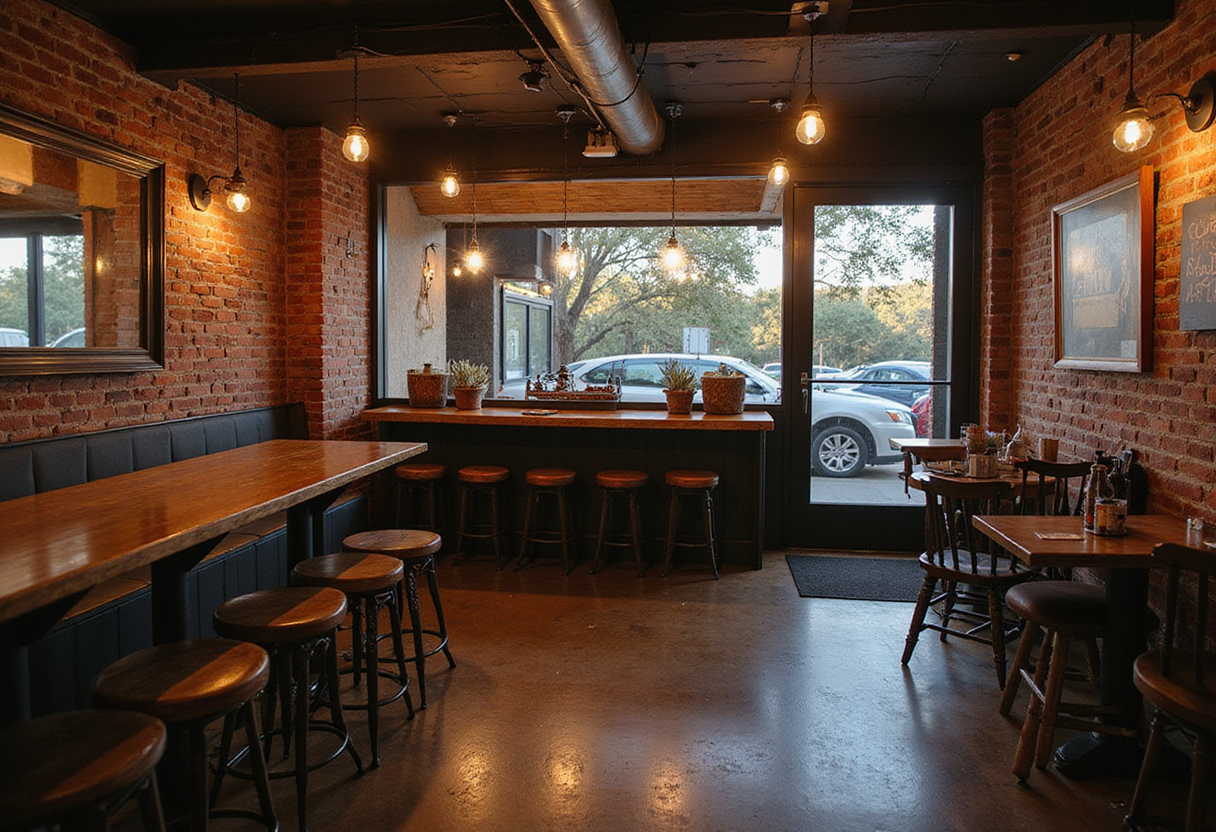
The MICHELIN Guide has published a feature titled "Austin's Barley Swine Has a Playbook for Award-winning Service," giving the single-unit Austin restaurant room to walk readers through the operational mechanics behind its front-of-house reputation.
The MICHELIN Guide runs editorial coverage alongside its star and bib gourmand ratings, and service-focused features sit inside that editorial track. A profile of this kind typically traces how a restaurant trains its servers, structures floor roles and recovers from mistakes, with operators reading closely for steps they can borrow. The guide's editorial platform gives restaurants a way to share operational know-how that doesn't fit inside a star rating.
What does a service playbook cover?
Service playbooks in fine-dining operations typically document training cadence, the way servers learn the menu, how the team manages pacing, and the recovery scripts used when something goes wrong. A MICHELIN Guide piece on Barley Swine will be read by operators looking for those specifics. The guide's coverage positions the playbook as a benchmark for similar independent restaurants, and operators across the country often use such pieces as templates.
The mechanics matter because servers in fine-dining rooms carry menu knowledge, wine pairings and pacing decisions that the kitchen relies on. When a server leaves, that knowledge walks with them unless the restaurant has written it down. Documentation cuts onboarding time and gives the team a common reference when something on the floor goes off-script.
Why Austin operators are paying attention
The Austin dining scene has spent the last decade building its fine-dining tier, with restaurants across the city earning recognition in national guides and trade publications. A MICHELIN Guide feature on a single restaurant's service program gives the broader Austin market a shareable artifact. That matters for suppliers, lenders and would-be hires who track the guide's editorial coverage as a quality signal.
For Barley Swine specifically, the feature gives the team a piece of third-party coverage to point to in hiring conversations and supplier negotiations. A restaurant whose service has been documented in the guide's editorial pages carries a different weight with prospective servers than one whose reputation lives on word of mouth.
What does this change for operators?
Service documentation has moved up the operator priority list because labor costs and turnover remain elevated across the full-service segment. Restaurants that write down their training steps reduce their dependence on any single front-of-house hire, and they onboard new servers faster when turnover hits. A service playbook is also a way to standardize the dining experience so a Tuesday-night guest gets the same service as a Saturday-night guest.
The Barley Swine piece lands in that environment, with operators across full-service and casual-dining concepts reading it for templates they can adapt to their own floor. Independent restaurants without the budget for dedicated training programs look to profiles like this one for what to copy first.
The MICHELIN Guide's editorial features are also a forward-looking signal. A restaurant that gets this kind of profile is positioned for continued inspector attention, and similar independent restaurants elsewhere can treat the Barley Swine coverage as one indicator of how the guide is evaluating service programs going into the next evaluation cycle.
More from Olivia Hart
Show full bio
Staff writer covering regulation, policy and their impact on Restaurant and hotel operations at The Pass Brief.
344 articles