At least 14 chains add holiday menus before Thanksgiving
At least 14 chains roll out seasonal drinks, desserts and entrees before Thanksgiving, but the tracker omits prices, sales, sourcing costs and franchise details.

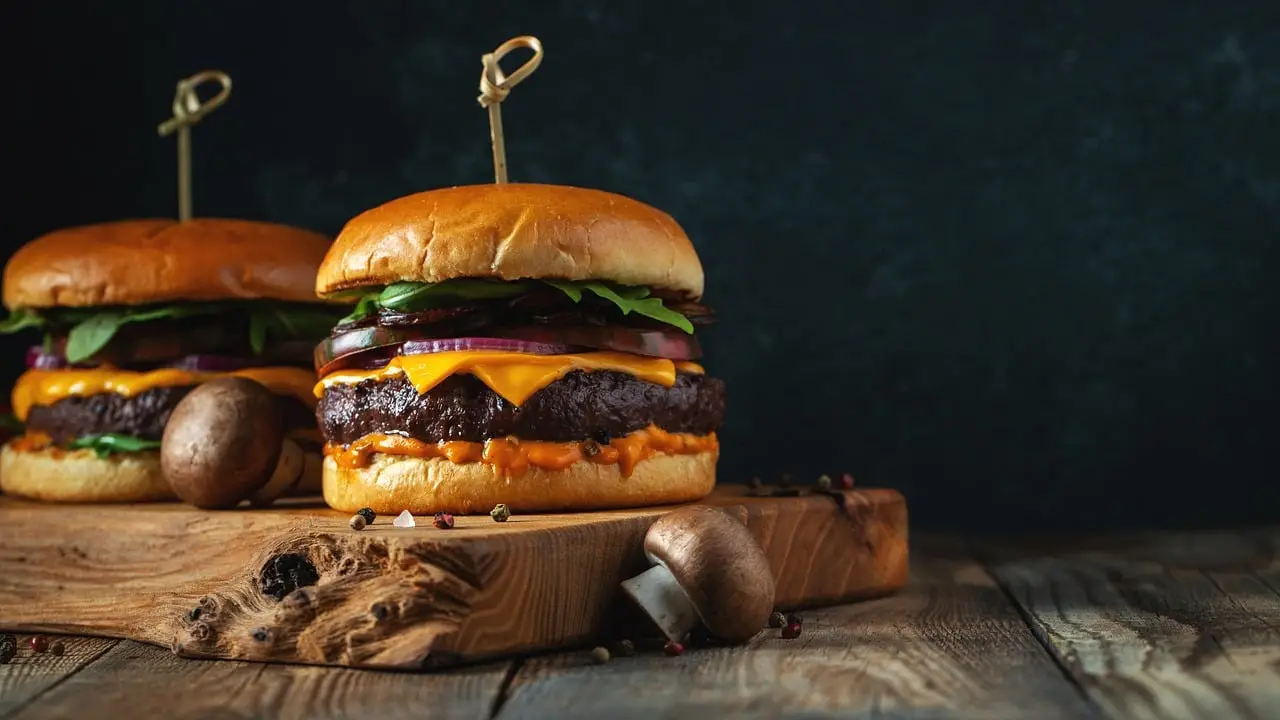
At least 14 chains are adding holiday menus less than a week before Thanksgiving, spanning Burger King’s Peanuts collaboration, Tim Hortons’ Elf-themed treats and numerous drinks, desserts and entrées with seasonal flavors.
The timing is clear. The commercial evidence is not. The menu tracker gives no prices, unit counts, sales results, ingredient costs, labor figures or check averages. It also does not identify ownership groups or distinguish company-operated locations from franchised units. Operators cannot calculate traffic gains, margin effects or the economics of the launches from these announcements alone.
What is entering the menu?
- Burger King has a holiday collaboration with Peanuts, timed for customers to order while watching “A Charlie Brown Christmas.”
- Tim Hortons has treats tied to the Will Ferrell film “Elf.”
- Dutch Bros is bringing back its Jingle Nog, while Jinya Ramen Bar has added a Mistletoe Mojito.
- Peet’s Coffee introduces peppermint and other seasonal beverages. Smoothie King also has new seasonal drinks.
- Ted’s Montana Grill, TGI Fridays, Kura Sushi and Ruby Tuesday offer entrées suited to end-of-year celebrations.
- Ruby Tuesday also revamped menu staples and added new sides.
- Tocaya celebrates the holidays in a Mexican style with tamales. Del Taco is bringing back birria with new options.
- Applebee’s adds new skillets and a seasonal drink. Corner Bakery introduces a new coffee program with Java City.
The roundup’s title spotlights Burger King, Domino’s, Wingstop and Del Taco. Its body provides item-level descriptions for 14 chains, but gives no product detail for Domino’s or Wingstop. Their presence therefore cannot support any claim about pricing, format or availability.
Does the rollout make an operator-level case?
The assortment spans beverages, desserts, entrées, sides, tamales and skillets. That creates several paths for chains to pair an order with a drink, side or dessert. It does not establish that customers will do so. The tracker reports no attachment rates, check averages or sales by item.
Seasonal sourcing raises another set of questions. The announcements identify no supplier changes, commodity exposure, recipe costs or preparation effects. A new beverage, a revamped entrée and a returning item do not necessarily carry the same cost structure. Without comparable cost data, any claim that one format protects margin better than another would remain guesswork.
The screen partnerships give the campaigns a ready-made frame. Burger King can associate a holiday item with “A Charlie Brown Christmas,” while Tim Hortons can use “Elf” to explain its themed treats. The tracker supplies no redemption, traffic-lift or repeat-visit evidence. A recognizable property is not a sales result.
What remains unproven?
Pricing is the largest omission. No new item carries a stated price in the roundup. Operators therefore cannot tell whether a promotion depends on discounts, whether check averages rise after mix changes, or whether food and beverage costs absorb the added revenue. The release also gives no margin percentages.
Labor details are missing as well. The announcements do not specify staffing needs, training requirements or preparation volume for the holiday period. The tracker does not establish whether higher transaction counts would improve labor coverage. It also omits company-operated and franchised counts, which limits any view of rollout scale.
Availability is also undefined. The tracker does not state launch dates, end dates, participating locations or test-market markets. “Less than a week before Thanksgiving” establishes the publication window, not the operating window for each campaign.
What will determine whether the promotions work?
The menu choices give operators clear seasonal hooks. The evidence needed to judge them is missing. Chains will need to disclose prices, item-level sales, check averages, sourcing and labor effects before the campaigns can support a broader traffic or margin claim. Until then, this roundup documents menu activity, not financial performance.
More from Marcus Bennett
Show full bio
Market editor covering technology and product news in Restaurant and hotel operations at The Pass Brief.
829 articles