Applebee’s Eight-Quarter Menu Pipeline Lifts Traffic and Check Spend
Applebee’s eight-quarter menu pipeline helped drive 0.9% same-store sales growth and a trade-up rate of 68.5%, with new platforms coming in 2027, CEO John Peyton said.
Applebee’s returned to same-store sales growth of 0.9% in the third quarter, and CEO John Peyton credits a menu development machine the chain spent a year and a half building: an eight-quarter pipeline of new entrees and appetizers that lets the brand launch a new item every quarter.
Two years ago, Dine Brands set that quarterly cadence as a goal for Applebee’s, Peyton said on the earnings call. The pipeline now exists and stays full.
“What you see is that pipeline is now built and it’s continuous,” Peyton said. “We’ll keep adding to it and now we can roll out more food more often.”
What does the pipeline actually produce?
The strategy runs largely through Applebee’s 2 for $25 value menu, and Dine Brands tests every item with guests before launch to confirm it is profitable for franchisees. Applebee’s operates as a franchised system, so franchisee-level economics gate every rollout.
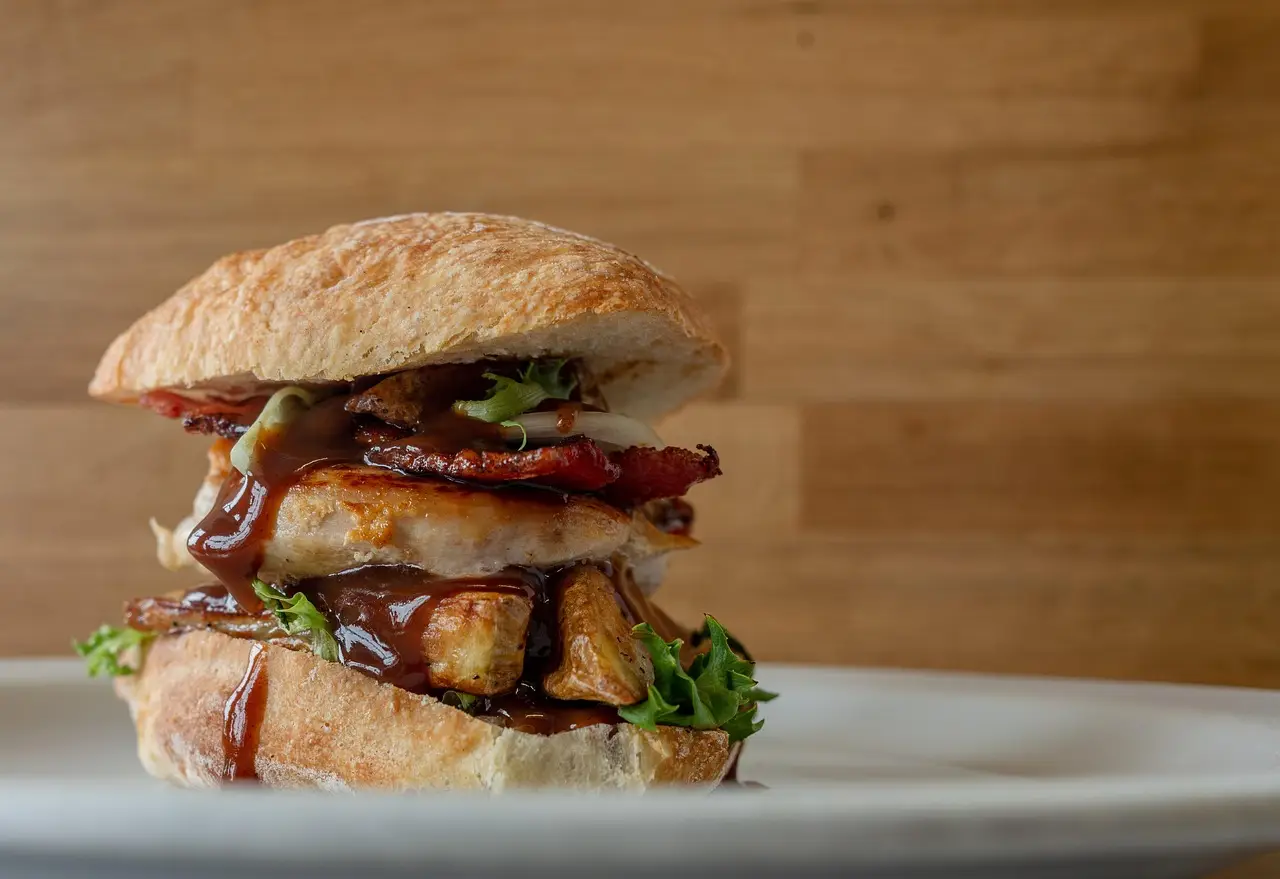
Third-quarter launches included Bacon Cheeseburger Wonton Tacos and O-M-Cheese-adilla burgers. The Wonton Tacos, an extension of Applebee’s taco platform, became the chain’s strongest appetizer debut since the pandemic, outperforming the Best Loaded Potato Waves introduced earlier this year, Peyton said.
New items stay tethered to named menu platforms rather than standing alone. The Bourbon Street platform of Cajun-spiced dishes now carries multiple versions.
Expanding a platform to two or four versions helps “make it more desirable for guests to want to come back to that platform over and over again,” Peyton said. Applebee’s will add new platforms in 2027, each with two to three items, and designed as long-term menu additions. The chain declined to specify the food categories.
Where the ideas come from
Dine Brands screens consumer trends before committing to a platform. The O-M-Cheese Burger, launched earlier this year, came from a trend in Japan in which burgers are halved and dunked in a skillet of cheese. The burger became Applebee’s most-ordered item in its category, and associated content generated over 9 billion impressions and reached 96 million people on social media.
The company also runs regular focus groups with guests and screens for what Gen Z and younger cohorts want: customization, sharability and food that photographs well for social channels.
“And looking ahead, we expect to have more new food items launching over the next 12 months than we have had in the last few years,” Peyton said.
IHOP follows the same playbook. Its Dubai Chocolate Pancakes, launched this summer, tied a specialty pancake to a viral trend and came with a marketing stunt: a $100 version with gold flakes offered at three restaurants. The pancake is part of IHOP’s Spotlight Pancakes, priced slightly above everyday pancakes, and drove incremental engagement and trade-up during the quarter.
Value share is shrinking
The mix of tickets carrying a value item is contracting. In the third quarter, 25% of Applebee’s tickets and 22% of IHOP tickets included a value item — below prior quarters and around what Peyton called “the middle of the normal range.”
“[This] suggests to us the potential very early beginnings of guests being a little bit more willing to spend a dollar or two,” Peyton said.
Trade-up behavior inside the 2 for $25 platform, where diners can pay a few dollars more for two higher tiers, rose from 61% of transactions in the first quarter to 68.5% in the third. Both brands will keep merchandising premium, higher-margin items — IHOP’s Stuffed French Toast is the template — on the menu and at the tabletop while retaining the $6 everyday value menu at IHOP.
Applebee’s also posted quarter-over-quarter and year-over-year growth among Gen Z customers, a cohort that has broadly pulled back on full-service dining. Peyton attributed that to food innovation plus “getting better and better at finding Gen Z and telling the story on social channels.” With new platforms slated for 2027 and a launch calendar denser than any recent year ahead, the pipeline is set to keep feeding both traffic and check average.
More from Elena Vasquez
Show full bio
News editor covering people, launches and day-to-day practice in Restaurant and hotel operations at The Pass Brief.
819 articles