Airlines Turn to Chef Menus as Cheaper Cabin Upgrade
A cabin retrofit takes years; a menu refresh takes months. Airlines chasing premium passengers are signing celebrity chefs — a strategy Singapore Airlines has run since 1998.
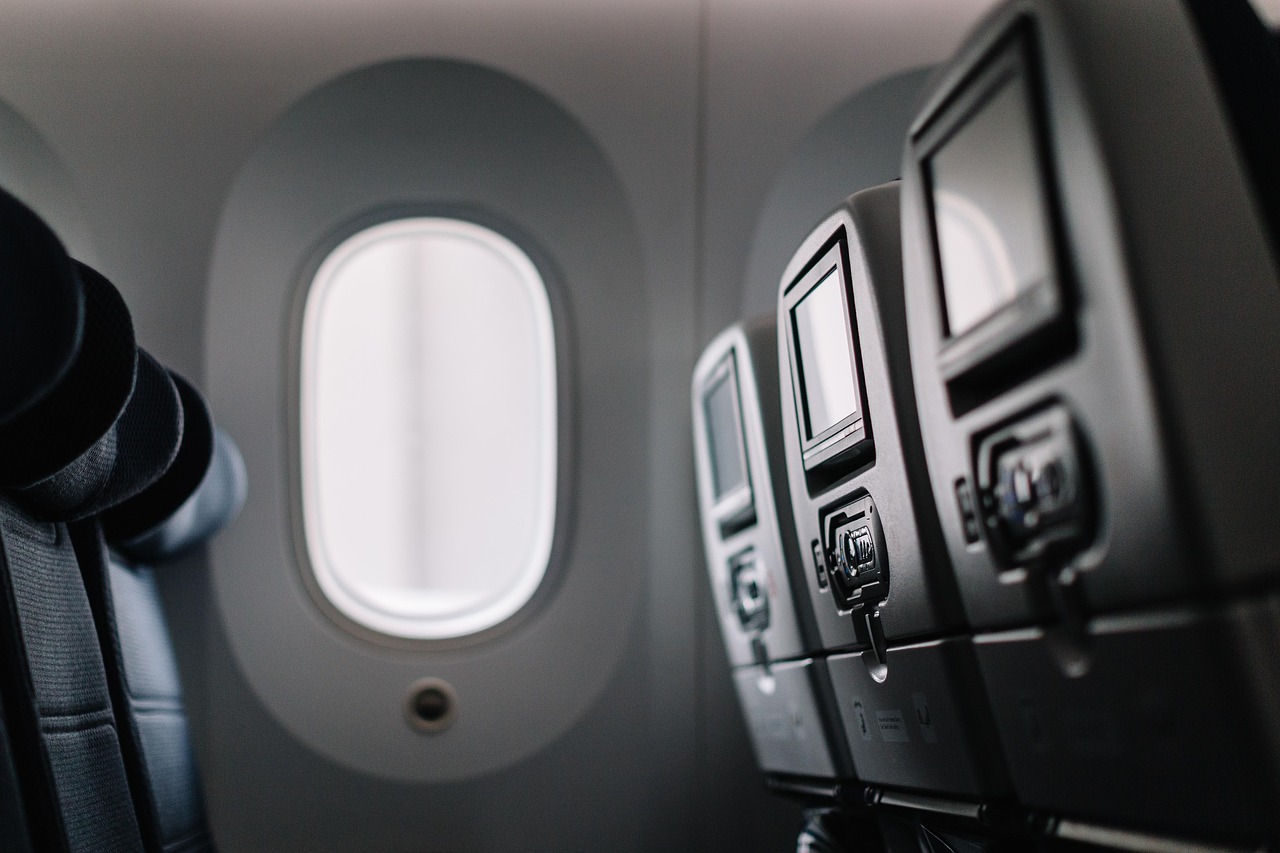
Singapore Airlines has run its Book the Cook pre-order meal program since 1998, and the longevity of that initiative now marks the template airlines are copying: upgrade the menu, not the aircraft.
Carriers competing for high-yield premium passengers face a hard economics problem. A new business- or first-class cabin product takes years to develop, certify and install across a fleet. A menu refresh takes months. That timing gap has pushed inflight dining to the center of premium differentiation strategies.
Chef partnerships are the main vehicle. Airlines are signing award-winning, often celebrity chefs to curate premium-cabin menus, borrowing established culinary reputations instead of building in-house culinary brands. The approach lets carriers change the perceived onboard experience without replacing a single seat.
Why menus beat metal on cost and speed
The economics are straightforward. Cabin retrofits tie up capital for years and remove aircraft from revenue service during installation. Menu changes require none of that. A carrier can re-engineer its premium food program — sourcing, recipes, plating, pre-order systems — and deploy it fleet-wide in a fraction of the time.
Singapore Airlines illustrates the model at scale. Its International Culinary Panel curates meals for the Book the Cook program, which has operated since 1998 and allows premium-cabin travelers to pre-order curated dishes before departure. The airline treats dining as a durable competitive asset rather than a rotating amenity.
What does this change for premium travelers?
For passengers paying premium fares, the change is visible on the tray table before it is visible anywhere else in the cabin. Chef-driven menus, pre-order options and refreshed presentation arrive while seat hardware, which may be a decade old, stays in place. Airlines are betting that culinary reputation can carry part of the premium proposition that hardware alone used to signal.
For airlines, the strategy spreads differentiation across two cost tiers: slow, capital-heavy cabin products and fast, comparatively cheap menu programs. Chef names give marketing teams a concrete premium message without a fleet-wide retrofit on the balance sheet.
A marker of the high-end segment
Chef partnerships in aviation are not new, but they now function as a hallmark of high-end carriers rather than an occasional stunt. As competition for high-yield passengers intensifies, expect more carriers to treat culinary partnerships as standing infrastructure — with menu refresh cycles measured in months continuing to outpace any seat upgrade program.
More from Elena Vasquez
Show full bio
News editor covering people, launches and day-to-day practice in Restaurant and hotel operations at The Pass Brief.
480 articles