AI Pricing Lawsuit Against McDonald's Opens New Antitrust Ground
A Reuters report on an AI pricing lawsuit against McDonald's puts new antitrust questions before courts as dynamic pricing spreads across franchised restaurant systems.
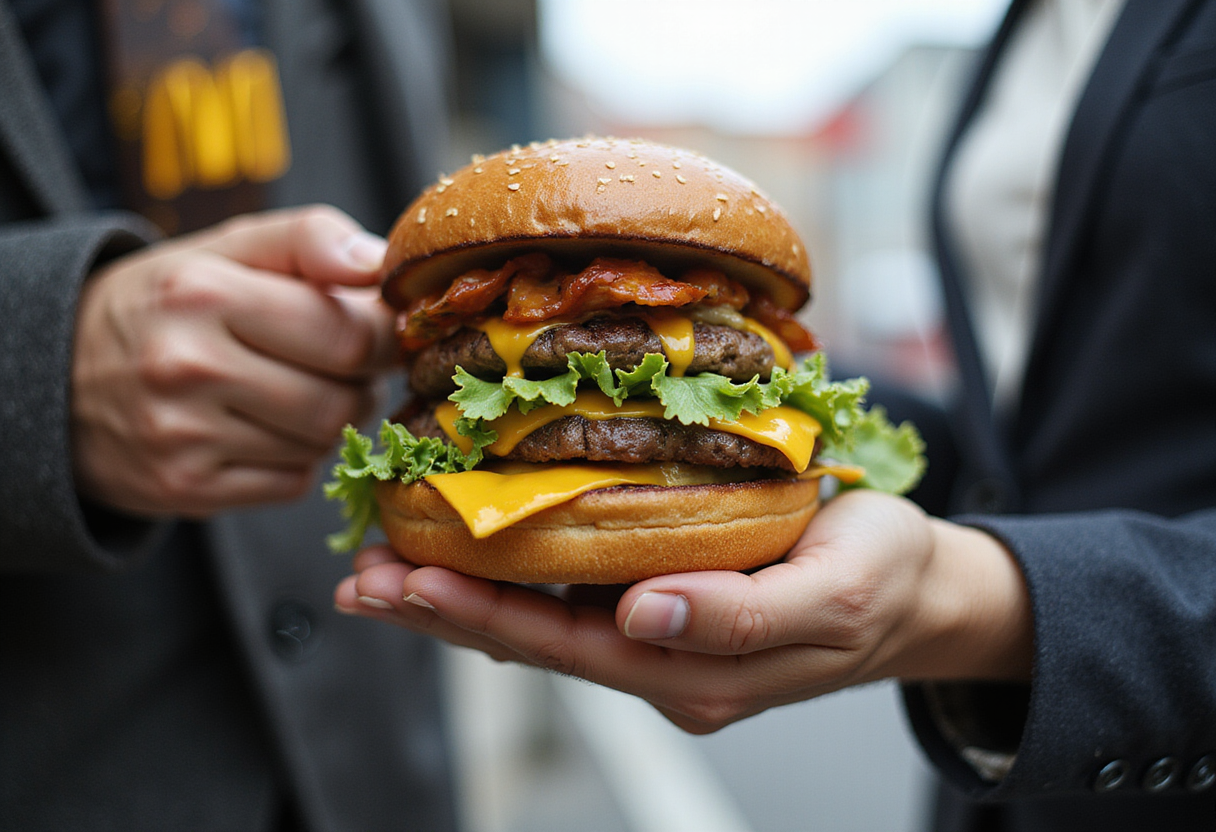
A lawsuit over artificial intelligence pricing at McDonald's has raised new antitrust questions, Reuters reported, putting a legal spotlight on technology that restaurant chains increasingly use to set menu prices.
The case arrives as the industry's pricing tools shift from static printed boards to software systems that adjust prices dynamically. Reuters framed the dispute as a test of how existing antitrust law applies when algorithms, rather than managers, drive pricing decisions across large franchise systems.
McDonald's operates one of the largest franchised footprints in U.S. restaurants, which makes any litigation over how prices get set a structural question for the sector. In a system where the vast majority of locations are owned and operated by franchisees rather than the corporate parent, the mechanism that determines menu pricing sits at the center of the franchisor-franchisee relationship.
What does the case actually raise?
The core legal question, as Reuters describes it, is whether algorithmic pricing changes the competitive analysis that courts have traditionally applied to pricing conduct. Antitrust doctrine was built around human decision-makers coordinating or setting prices. When a software system prices for many operators at once, or when operators feed data into shared pricing engines, courts must decide whether that conduct fits old categories.
For restaurant operators, three practical issues hang on the answer:
- Whether franchisors can mandate or steer pricing software across franchised units.
- Whether franchisees using common algorithmic tools face exposure that independent price-setting would not create.
- What data — point-of-sale figures, demand signals, competitor pricing — can lawfully flow into those systems.
Why the industry is watching
Dynamic pricing has moved from airlines and ride-hailing into foodservice. Digital menu boards and app-only ordering have made price changes technically trivial: a number can move systemwide in minutes without reprinting anything. That flexibility is exactly what attracts operators, because pricing is one of the few levers that acts directly on margin without touching labor or cost of goods.
It is also what attracts plaintiffs' lawyers. A tool that raises revenue per transaction can be reframed, in litigation, as a tool that raises prices to consumers. The McDonald's case, per Reuters, forces that trade-off into open court.
For technology vendors, the stakes are commercial as well as legal. If courts treat algorithmic pricing arrangements as coordination, the vendors selling those systems — and the chains deploying them — will need to restructure how the products work and who controls the pricing logic.
The franchising dimension
McDonald's corporate structure sharpens the dispute. The company does not operate most of its U.S. restaurants; independent franchisees do. Any lawsuit questioning pricing practices therefore tests the boundary between the brand's digital infrastructure, which is centrally controlled, and the local pricing authority that franchise ownership traditionally carries.
A ruling against algorithmic pricing arrangements in that context would ripple well beyond one burger chain, because nearly every major quick-service brand runs the same architecture: central app, central loyalty data, franchised stores.
The case is at an early stage, and Reuters presents it as raising questions rather than resolving them. How courts answer those questions will shape what operators can automate, and what they must keep in human hands, as digital pricing becomes the sector default.
More from Elena Vasquez
Show full bio
News editor covering people, launches and day-to-day practice in Restaurant and hotel operations at The Pass Brief.
353 articles