AI-Fueled Restaurant Concept With Celebrity-Chef Menus Expands Across Connecticut
A celebrity-chef-menu restaurant concept powered by AI and automation is spreading across Connecticut, drawing both expansion and industry controversy.
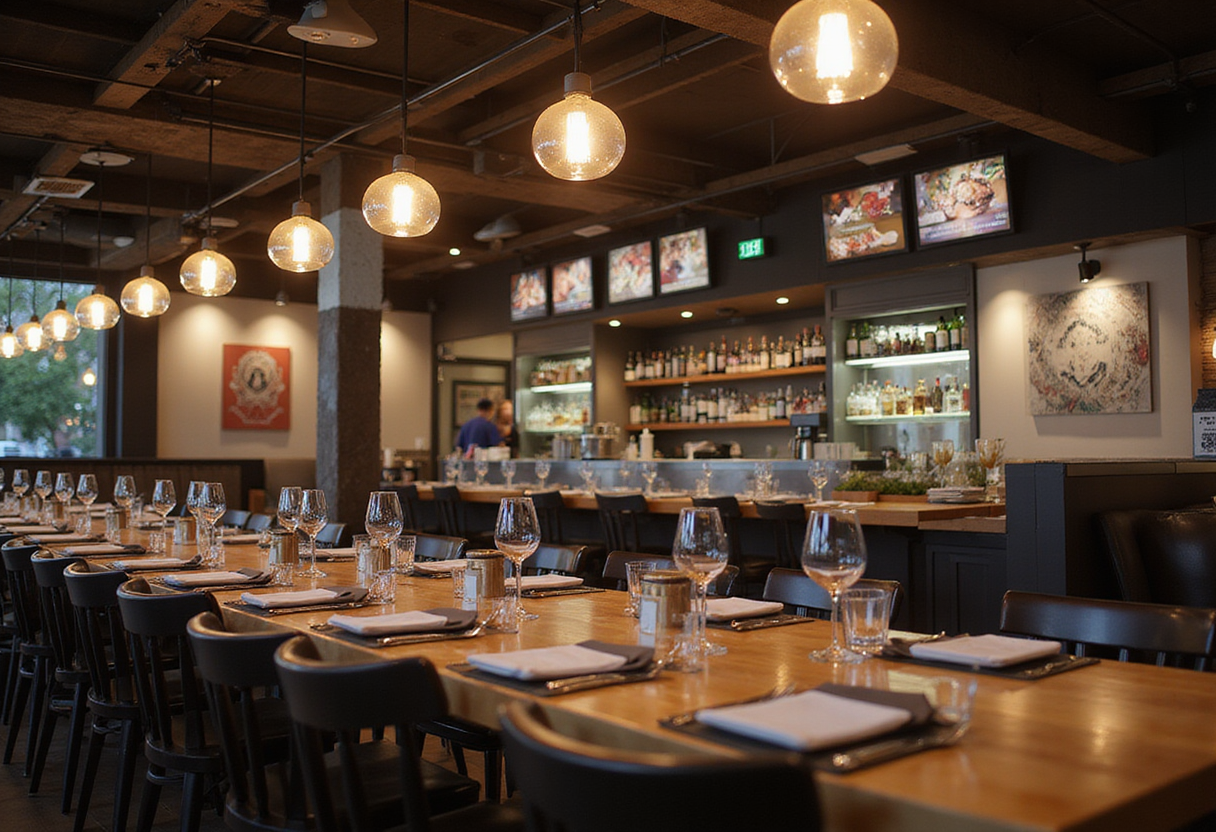
A restaurant concept that sells menus built around celebrity-chef branding is spreading across Connecticut, and the Hartford Courant reports that technology and artificial intelligence sit at the center of its operating model — a combination that has made the chain one of the more contested stories in the state's dining sector.
The concept's defining feature is the pairing of two elements that rarely travel together: menus marketed under the names of well-known chefs, and a back-of-house and front-of-house operation that leans heavily on AI and automation. That combination is what has drawn both expansion capital and criticism, according to the Courant's reporting.
Why is the concept controversial?
The controversy, as framed by the Courant, centers on the gap between the marketing promise and the operational reality. Diners see celebrity-chef menus; the kitchen that executes them runs on algorithms, automation and artificial intelligence rather than on the chefs themselves.
That tension touches a live debate in the restaurant industry: whether star-chef licensing is a genuine culinary product or a menu-engineering and branding exercise. For operators, licensing a recognizable name can support premium pricing on a menu whose actual execution is standardized, tech-assisted and replicable — the same logic that drives ghost kitchens selling branded menus from third-party concepts.
The Connecticut expansion suggests the model is clearing the only test that matters at the unit level: enough customer demand to justify additional locations.
What role does AI actually play?
The Courant identifies technology and AI as the fuel behind the spread. In current industry practice, restaurant AI deployments typically touch:
- menu optimization and dynamic pricing, where algorithms adjust offerings based on demand and ingredient costs;
- kitchen automation that reduces labor hours per dish;
- order and delivery routing for digital channels;
- demand forecasting that tightens food inventory and cuts waste.
Each of those levers attacks a specific line of the P&L — cost of goods, labor percentage, or waste — rather than the food itself. That is consistent with the concept's positioning: the celebrity name sells the menu, and the technology defends the margin.
The Courant piece did not disclose the specific systems the operator uses, who funds the technology stack, or what labor model the locations run under.
What does the expansion mean for Connecticut operators?
A multi-unit spread across Connecticut puts the concept in direct competition with independent restaurants in the same markets, and the competitive asymmetry is structural. Independents carry full kitchen labor and chef payroll; a tech-assisted, licensed-menu operator can push labor down and consistency up, then price aggressively.
The controversy also has a labor dimension. Restaurant workers and traditional chefs have been among the loudest critics of celebrity-branded, automation-heavy concepts nationally, arguing that the model monetizes culinary reputations while shrinking the skilled-kitchen jobs that build those reputations. The Courant's characterization of the concept as "controversial" places it squarely in that argument.
What remains unanswered?
Several operator-level details will determine whether the expansion is durable:
- unit count today and the opening timeline for announced locations;
- average check and how the celebrity-chef menus are priced against local independents;
- the royalty or licensing structure behind the chef-branded menus;
- the split between company-operated and franchised units, if any;
- measured labor savings versus the cost of the AI and automation stack.
None of those figures appeared in the headline-level report now circulating.
What comes next?
The Courant's framing — a controversial, AI-fueled concept actively spreading rather than testing — signals that Connecticut will be a live market to watch for how licensed-chef menus and kitchen automation perform at scale, and whether consumer and industry pushback slows a model built on that pairing.
More from Elena Vasquez
Show full bio
News editor covering industry trends and analytics at The Pass Brief.
248 articles