7.55% of Hotel Cancellations Are Guests Rebooking Cheaper at the Same Property
A NOVA University Lisbon study of nearly 2M reservations found 7.55% of cancellations are guests rebooking cheaper at the same hotel, costing €67 per stay — and the rate is climbing fast.
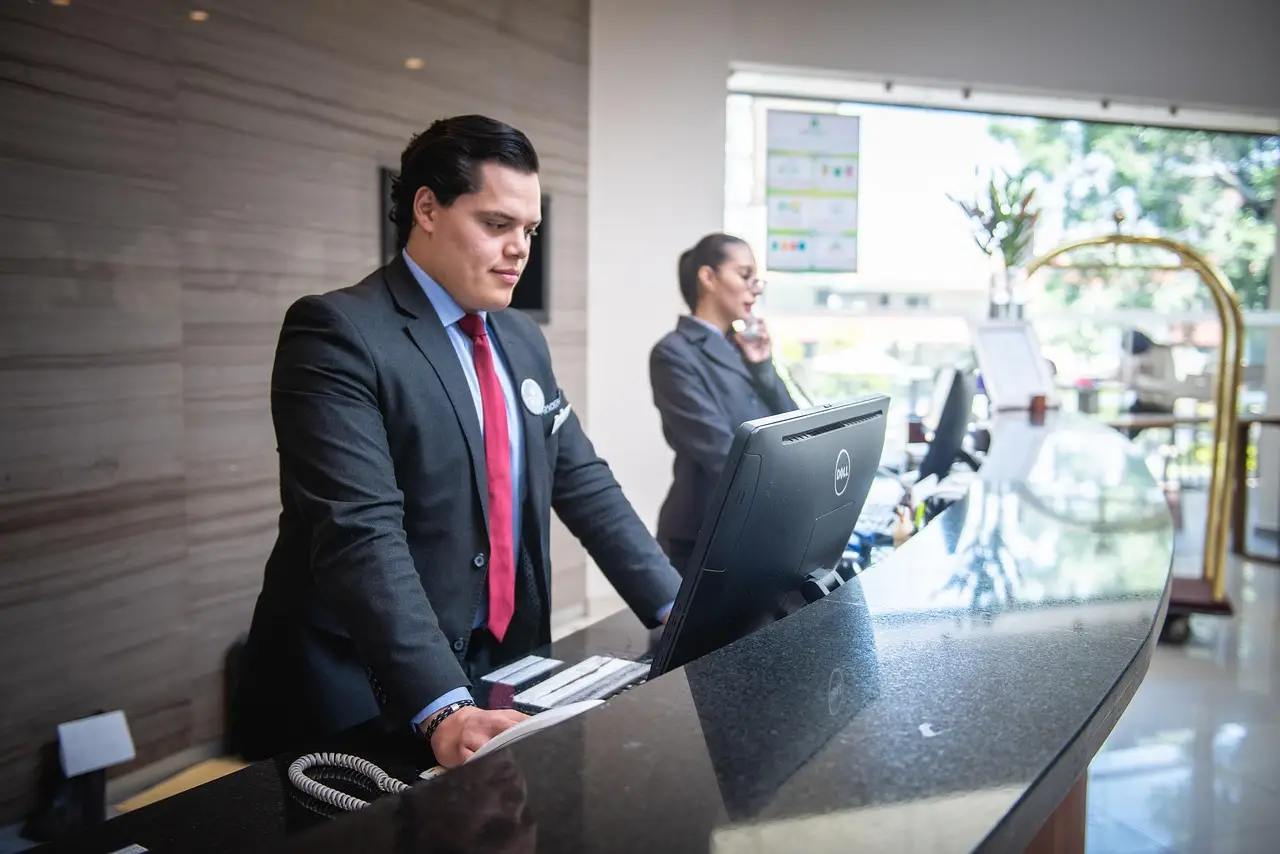
A 2026 study from NOVA University Lisbon covering nearly two million reservations found that 7.55% of hotel cancellations were same-property rebookings at lower rates — a practice that cost the affected hotels an average of €67, or 16.2%, per rebooked stay.
Researchers Martyna Kmiecik and Nuno Antonio analyzed reservations from 628 Portuguese properties between 2022 and 2024. They matched each cancellation against a cheaper booking for the same property, same dates and same guests made within one minute of the cancel. The pattern is growing.
What do the numbers show?
- 7.55% of all cancellations were same-property rebookings
- Rebookings rose from 0.67% of all reservations in 2022 to 1.09% in 2024 — growth of more than half in two years
- Average loss per rebooked stay: €67 (16.2% of booking value)
- About 80% of rebookings occurred within a month of the original booking
The study was published in the International Journal of Hospitality Management, volume 135, under the title "Cancel, rebook, save: Revenue leakage from price cuts in hotels."
The researchers note two limits. The data set contained no cancellation fees, so real-world losses may sometimes be smaller. And guests who canceled and moved to a different hotel are not counted at all — meaning total leakage from price-sensitive behavior is likely understated.
Why guests rebook
The mechanics are simple. A guest books a flexible rate in March for a June stay. A month later, a price-tracking alert shows the same hotel is cheaper for those dates. The guest books the new rate, cancels the old one. Two minutes, zero cost, when the rate is refundable.
Occupancy on the pace report does not move. But the property has surrendered roughly 15% of that booking's value — and taught the guest a lesson for next time.
Behavioral economics explains the driver: loss aversion. Discovering you overpaid is a small, concrete loss, and a loss hurts more than an equal gain pleases. Until recently most guests never found out. Now they do, and undoing the overpayment costs nothing on a refundable rate.
Habit compounds the problem. A guest who saved €60 by rebooking once is far more likely to book flexible next time and set an alert immediately. Hotels are not just losing revenue on single bookings — they are training customers to treat a confirmed reservation as a starting price.
What changes for hotel revenue teams?
The study's timing matters. The growth to 1.09% happened before Google's hotel price tracking arrived in April 2026. Automatic rebooking tools — services such as Gondola that rebook a refundable reservation when the rate drops — are now on the market. Both lower the guest's effort to near zero.
The authors frame the root cause as forecasting failure rather than a pricing-strategy necessity. Their suggested countermeasures:
- Check the book before cutting the rate. Count how many refundable reservations already sit on those dates. If the number is high, the cut may cost more than it brings in.
- Add value instead of cutting price. Breakfast, parking or late checkout can lift conversion without showing a lower number to every guest running a price alert.
- Promise your own best price. Tell direct bookers their rate drops if yours does. Those guests would rebook anyway; this way they stay direct.
- Make non-refundable a fair deal. A clear discount in exchange for commitment beats a token one that reads as a penalty.
- Count rebookings. Ask the PMS provider or an analyst to flag cancellations followed within minutes by a cheaper booking for the same dates. Most hotels have never measured this.
- Reward early bookers. If guests who book first pay the most, they learn to wait. Small perks for early commitment send the opposite signal.
One percent of reservations may look minor on a spreadsheet. The trajectory — up more than half in two years, before automated tracking and automatic rebooking tools reached the market — is what revenue managers will be watching as 2027 budgeting begins.
More from Elena Vasquez
Show full bio
News editor covering people, launches and day-to-day practice in Restaurant and hotel operations at The Pass Brief.
785 articles