€27.7m in Debt, €270 in the Bank: The Fall of Paddy McKillen jnr
Paddy McKillen jnr reports €270 in his bank against €27.7 million owed to creditors, closing the arc of one of Dublin's largest hospitality empires.
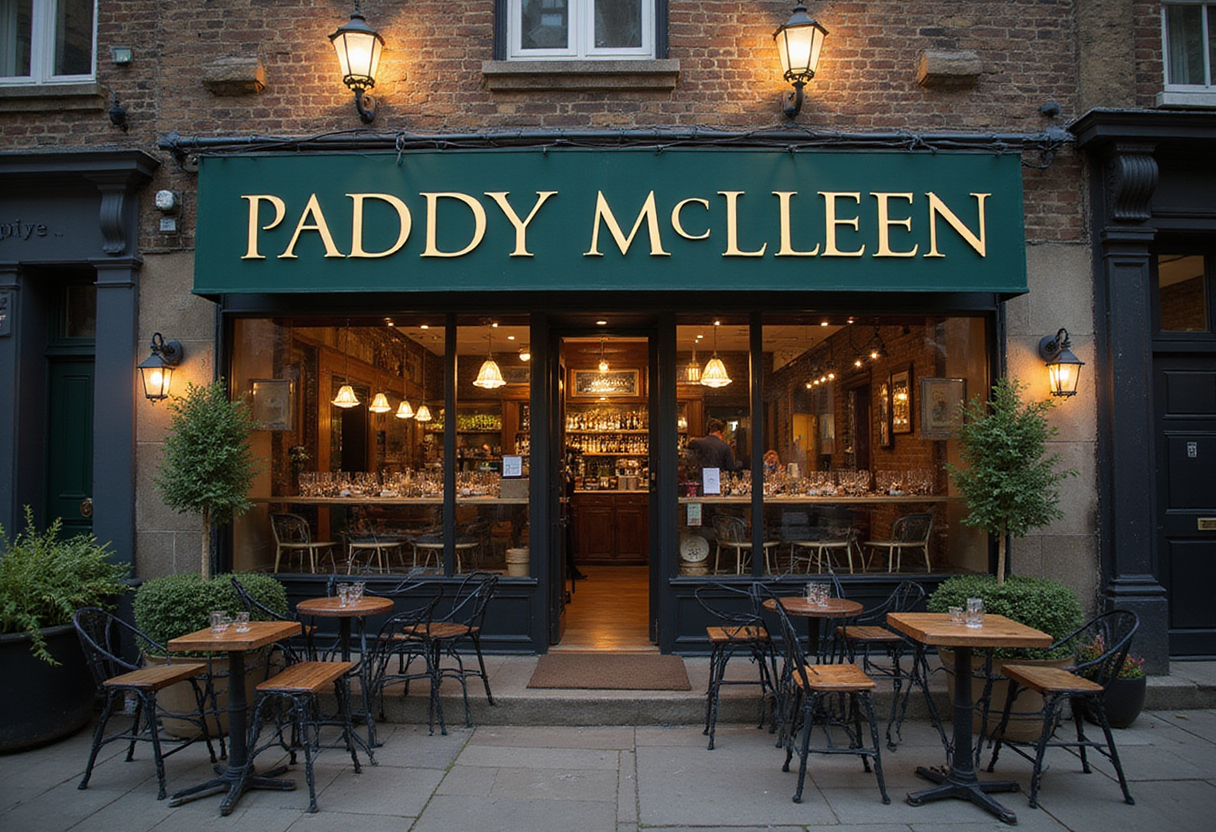
Paddy McKillen jnr, the Dublin operator behind one of Ireland's most visible hospitality portfolios, now owes creditors €27.7 million while holding €270 in his bank account, according to The Irish Times.
The contrast is stark. A man who built a hospitality empire reports personal assets of €270 against liabilities of €27.7 million. The gap of €27.7 million will fall to creditors to absorb.
What do the numbers show?
The figure of €270 is the cash on hand. The €27.7 million is the claimed debt. The Irish Times did not publish a full schedule of assets in the headline reporting, so the composition of that liability figure remains unclear.
That absence matters. A debt number without a creditor list tells investors and operators little about recoverability. Personal guarantees, intercompany loans and trade payables each resolve differently.
Who is Paddy McKillen jnr?
He is the son of property developer Paddy McKillen snr and a co-founder of the Press Up Entertainment group, whose venues spanned restaurants, bars and hotels across Dublin. The Irish Times frames his arc as the construction of a hospitality empire followed by a collapse into personal insolvency.
The reporting does not specify which corporate entities entered examinership, liquidation or receivership, nor whether the debts sit at the personal or corporate level. Until those filings surface, the €27.7 million remains an aggregate claim rather than a verified balance sheet.
Why does this matter to operators?
Hospitality groups built on leased premises and personal guarantees carry concentrated risk. When trading deteriorates, guarantees convert corporate obligations into personal ones. The €270 bank balance suggests exactly that conversion occurred.
Ireland's hospitality sector has faced sustained cost pressure in recent years, including labor and energy increases. The Irish Times piece does not break down the causes of the collapse, and any single-cause explanation would exceed what the source supports.
What happens next?
Creditors will assess whether the €27.7 million can be recovered through insolvency proceedings or negotiated settlement. Further court filings should clarify the asset pool beyond the reported €270. Operators watching the case will look for the guarantee structure beneath the empire, because that structure, not the brand count, determines who pays when expansion reverses.
More from Marcus Bennett
Show full bio
Market editor covering technology and product news in Restaurant and hotel operations at The Pass Brief.
343 articles