ZEM Wellness Clinic Altea pairs medical programs with luxury design
ZEM Wellness Clinic Altea puts diagnostics, nutrition and spa at the centre of the product, with Andrea Maggi's interiors unifying medical and luxury zones under one design language.
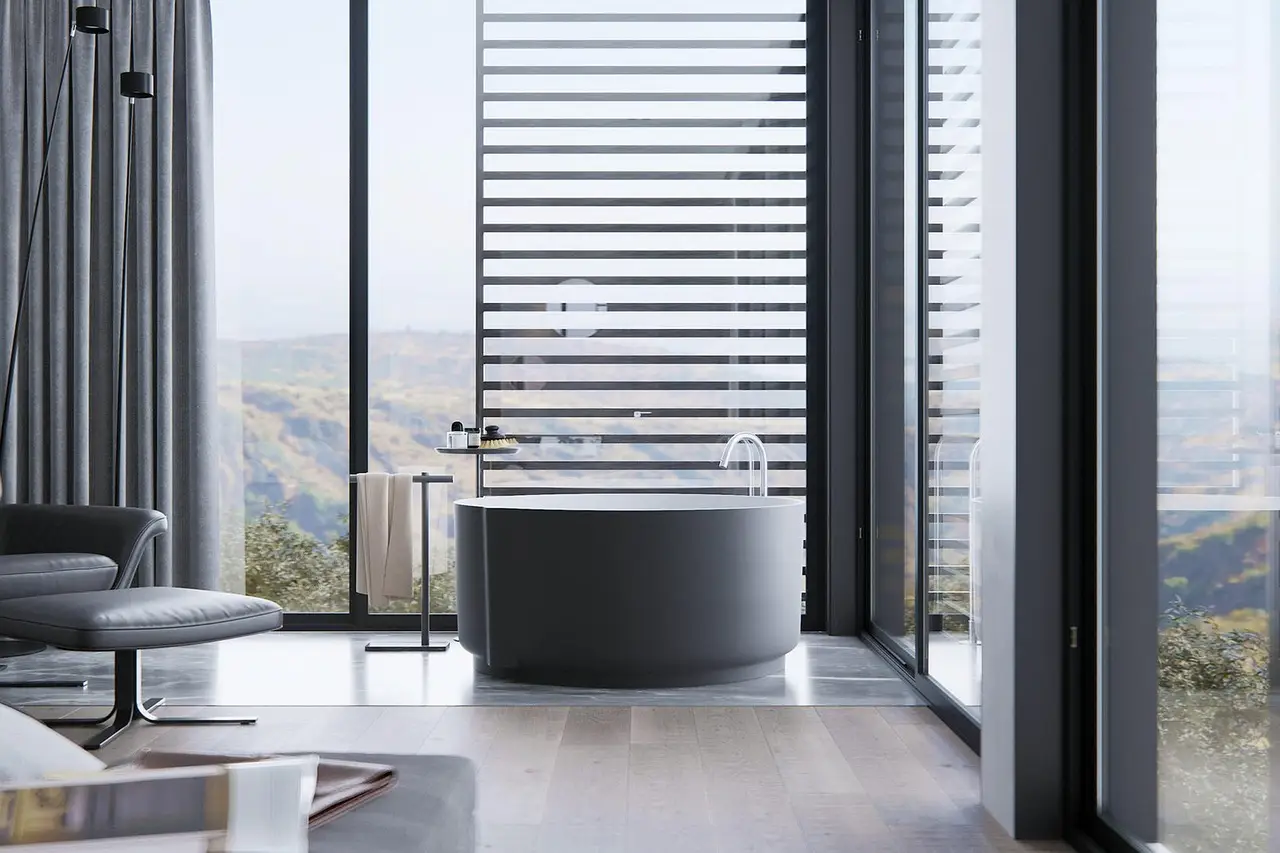
ZEM Wellness Clinic Altea, on the slopes above the Spanish coastal town of Altea, is operating on a premise that repositions the hotel spa from an amenity to the core product. Interiors by Italian designer Andrea Maggi frame a program in which diagnostics, consultations, treatments, nutrition and dining form one integrated, all-inclusive approach to wellbeing, rather than a wellness add-on to a luxury hotel.
The property sits at the intersection of luxury and longevity, with design, nutrition and medical science deployed together. As Hotel Designs' digital editor Pauline Brettell observed on a review visit, the traditional model of the hotel spa — pampering on a city break, detox after a heavy dinner — is inverted here: dinner is part of the detox, and the medical journey stands as the main event.
What does the design actually change for the operator model?
The property's design team, led by Maggi, planned the guest journey as a sequence: arrival, diagnostics, consultations, treatments, relaxation and dining. The relationship between spaces carries as much weight as the individual rooms. Maggi's team mapped the experience from the guest's perspective — where wayfinding, privacy and tranquillity are needed — so that transitions between environments feel intuitive. Brettell noted the complexity of the circulation, ending up in the sauna instead of the swimming pool more than once in the multi-corridored layout.
The medical and technological zones present a specific design problem: how to keep treatment rooms from feeling like a clinic bolted onto a hotel. ZEM's answer is continuity. Colour palettes, lighting and detailing carry one design language from consultation rooms into the wider property, with privacy and comfort kept central. An on-site medical clinic assesses guests' state of mind and body, while an organic farm grows the food that supports each programme.
Lighting is treated as a functional instrument rather than decoration. Natural light reflected off the Mediterranean, softened by mountain greenery and olive groves, connects guests to their circadian rhythms as part of the wellbeing approach. Spa areas use more considered, slower lighting; medical areas run functional and precise.
"Light is one of the first elements I consider when designing a space," Maggi said. "A material can be extraordinary, but it is the light that ultimately brings it to life."
How do the guestrooms support the program?
The guestroom strategy favours editing over statement-making. Design decisions track how a person enters, moves through, rests and interacts with a space, with a restrained palette in which no single element competes for attention. The stated objective is rest rather than stimulation.
The Feng Shui guestroom expresses the approach most visibly. Furniture positioning, the relationship between elements and the room's overall flow aim at a natural sense of balance, with materials, proportions and layout working together to make the space feel effortless to inhabit.
At the spa entrance, Maggi prioritised the first impression — the moment daily concerns begin to fall away — through an interplay of light, textures, colours and environmental transitions, including an olive tree inside the spa. The Mediterranean influence stays understated, carried by palette and naturalness rather than overt landscape references, with spaces built for lingering between activities, herbal tea in hand.
Dining follows the same logic. Because nutrition carries significant weight in preventative health, the dining environments needed to communicate the same care as the rest of the property, while keeping the starting point simple: a meal should be a pleasure. The design quality of light, comfort of setting and invitation to linger let the food-health connection sit naturally inside the luxury experience rather than prescriptively.
For Maggi, functionality itself is the expression of luxury — everything thoughtfully considered so the guest never has to think about it. Whether that model converts into a replicable formula for wellness-led hospitality will depend on how other operators weigh medical integration against the margins of a conventional resort build.
More from Elena Vasquez
Show full bio
News editor covering people, launches and day-to-day practice in Restaurant and hotel operations at The Pass Brief.
833 articles