Whole Foods Posts 2026 'Next Big Things' Forecast; Menu Cues Awaited
Whole Foods Market has published 'The Next Big Things: Our Top Food Trend Predictions for 2026.' Operators should pull the full body before revising 2026 prep sheets and vendor commitments.
Whole Foods Market has published "The Next Big Things: Our Top Food Trend Predictions for 2026," positioning the piece as its annual forward forecast on food and beverage direction.
What does the headline signal?
"The Next Big Things" frames the work as a curated forward view, not a market-share recap. The word "top" implies a selected subset rather than an exhaustive taxonomy.
Whole Foods' branded distribution hosts the full body — named categories, ingredient picks, and category-manager commentary. Secondary feeds have carried the title faster than the supporting text.
Operators working from the title alone should pull the underlying publication before adjusting prep procedures. Trend forecasts vary widely in food-cost impact and operational readiness.
Why does the list matter at the menu table?
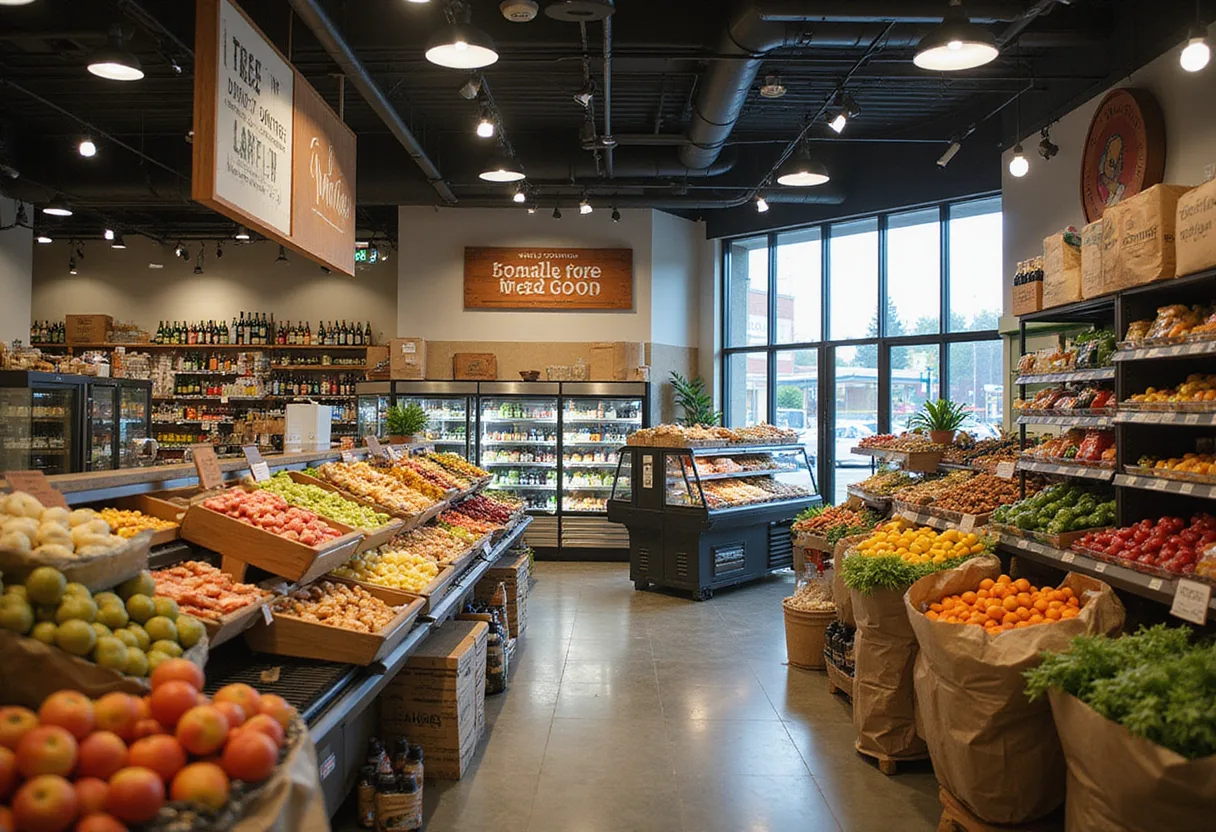
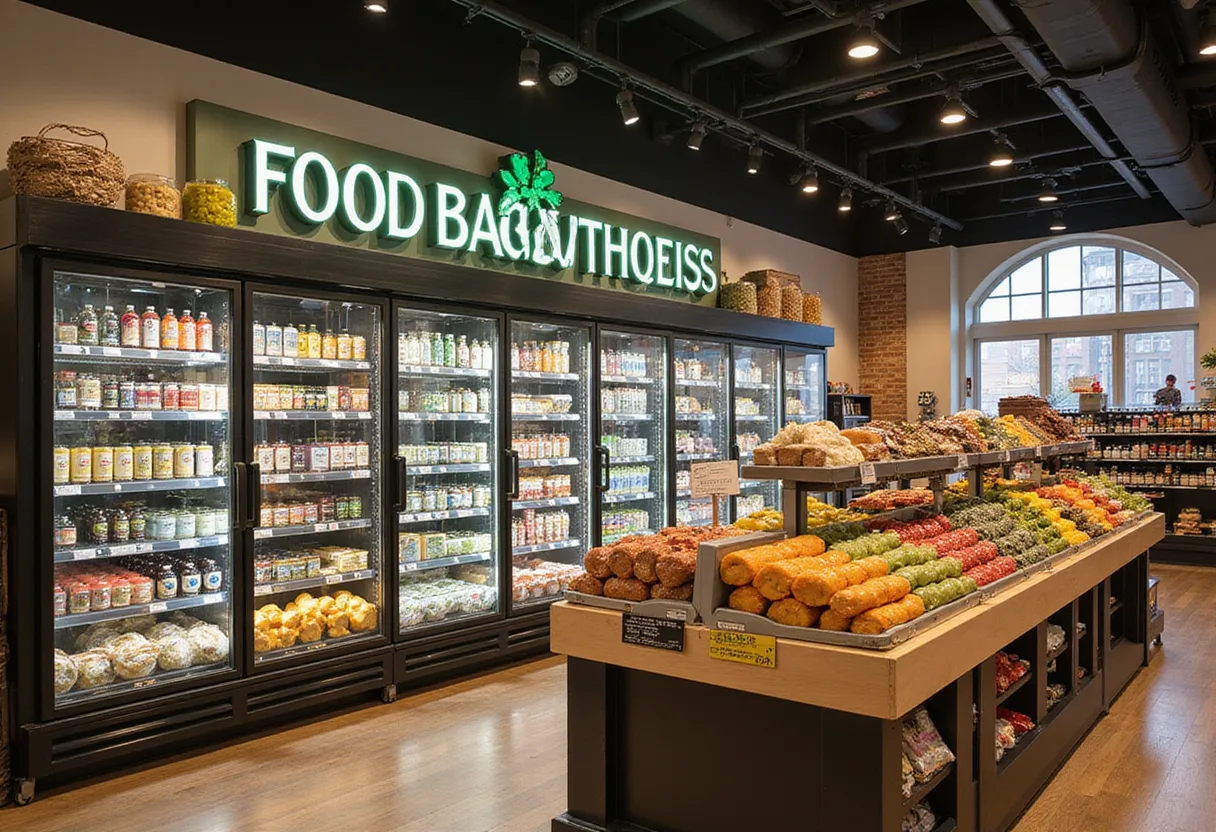
Whole Foods operates as a major U.S. specialty grocer. Trend picks from its category desk (the merchandising team that decides which products reach shelves) carry distribution weight that restaurant operators cannot ignore.
Three variables usually drive the chase-follow-or-skip decision: check average (the average total bill per guest), food-cost cushion (the gap between ingredient cost and menu price), and concept tier (segment positioning, from quick service to fine dining).
Independent concepts with thin cushions often skip early. Larger chains with central commissaries (off-site prep hubs feeding multiple stores) absorb experimentation faster.
When does 2026 menu planning actually lock?
Operators typically lock spring menu ingredients between mid-October and late November. That period covers distributor talks, line-cook briefs, and recipe reissues.
The Whole Foods publication lands inside that four-week stretch. Operators should treat the release date as a planning trigger, not a passive reference.
Which filters separate a trend-ready item from a waiting-list curiosity?
Three filters typically gate a new ingredient at the operator level:
- Does it clear vendor minimums at the operator's delivery radius?
- Does it require new prep labor or station reconfiguration?
- Does it survive operator-side repeat-purchase testing at the concept tier?
A trend passing all three clears a menu-rollout review. A trend failing on labor or station usually routes to a chef's-table special, not a permanent line position.
What should the body text actually show?
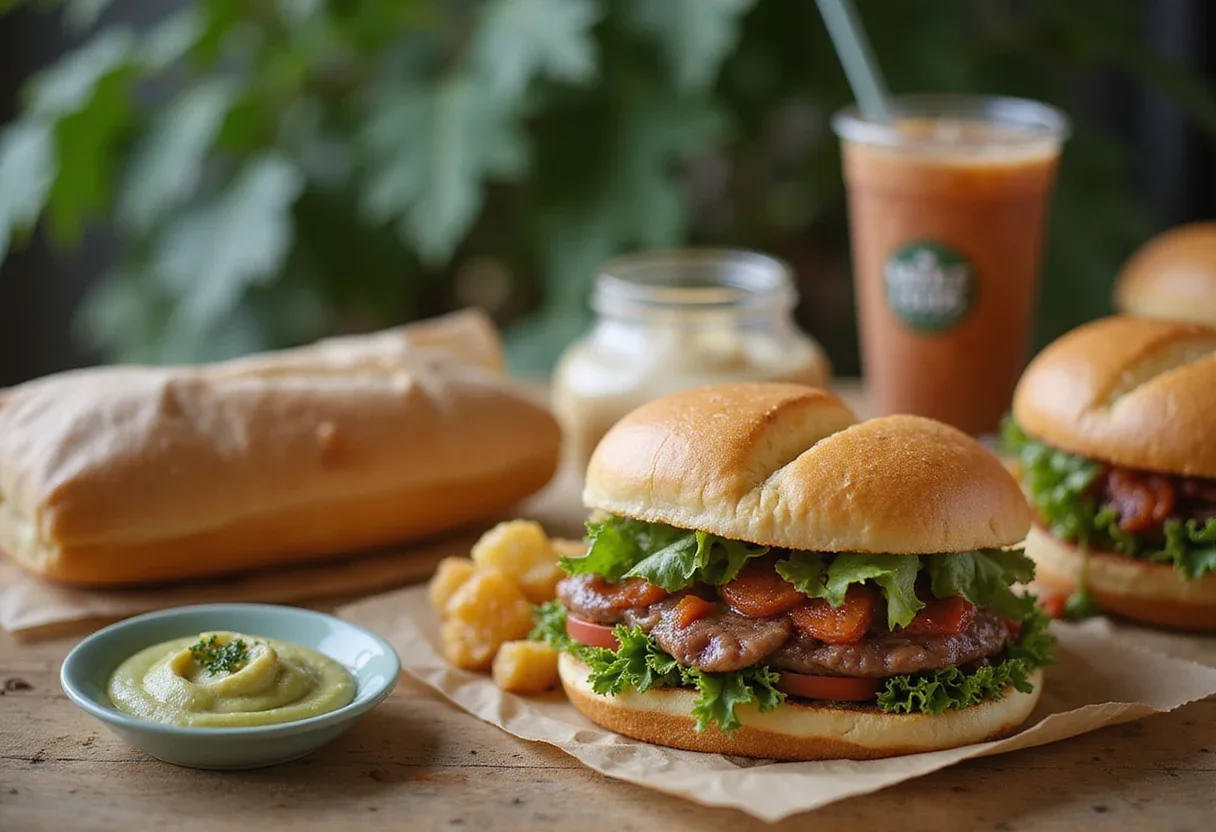
The full 2026 piece will likely break trend picks into food, beverage, and kitchen categories. Operators hunting margin cues should look for ingredient specificity — concrete named products travel further than abstract flavor directions.
Category-manager commentary, if the body includes it, will carry more weight than the headline. Operators should weigh named rationales against their own prep economics before committing.
Forward view
The 2026 list will likely seed distributor stocking orders through early next year. Operators committing to a named trend now lock first-mover positioning on procurement.
Hospitality teams should plan to read the publication in full before adjusting 2026 prep sheets. The headline is a starting prompt; the body text is the operator brief.
Rebecca Stone covers hospitality economics for The Pass Brief.
More from Rebecca Stone
Show full bio
Senior reporter covering technology and product news in Restaurant and hotel operations at The Pass Brief.
466 articles