Venezuela’s eight-year luxury forecast and four-camp alternative
Cisneros proposes four or five ultra-high-end remote camps linked by small aircraft and boats, eight years before global brands—if security and infrastructure allow.
By Olivia Hart
Adriana Cisneros estimates that Venezuela is eight years away from seeing a Four Seasons, Rosewood or Capella open in the country. That estimate frames a more immediate idea: four or five ultra-high-end, low-density base camps linked by small aircraft and boats.
The Venezuelan businesswoman wants to build a conservation-minded tourism network before global brands enter a market shaped by decades of political and economic turmoil. Her family group has interests in media, real estate and hospitality, placing her close to the operating and investment questions this model must answer.
This is a concept, not an announced development program. It names no developer, operating company, ownership structure, room count, site list or launch date. The cited hotel brands are possible future entrants rather than signed projects.
Under Cisneros’s plan, guests would stay in four or five ultra-high-end tented camps positioned for access to rare natural environments. The camps would be accessible only through small aircraft and boats. Their appeal would be low density and difficult geography, not simply a higher room rate or a conventional resort experience.
Cessna Caravans and Pilatus PC-12s, supplemented by boats, would connect the camps. That approach avoids waiting for roads and airports to be rebuilt, but it does not remove infrastructure demands; it shifts the bottleneck to dependable aviation, marine transport and emergency response.
Financial disclosure is limited: there is no nightly rate, capital cost, occupancy forecast or operating-cost breakdown. As a result, an analyst cannot calculate a margin or labor percentage. The business case depends on whether a small group of travelers will pay enough for scarce access to offset the cost of remote logistics.
What does this change for hospitality operators?
For travelers, the pitch is access to extraordinary landscapes through a small network of camps, rather than waiting for branded hotels. For operators, it creates a potential partnership route built around local lodges, operating knowledge and conservation access. Venezuela already has a base that has kept tourism alive through decades of underinvestment:
- Family-owned posadas
- Waku Lodge and Campamento Ucaima
- Independent operators such as Sitios Wao
These businesses hold local knowledge that outside investment cannot quickly reproduce. In a remote model, that knowledge could matter as much as new construction, although no partnerships have been announced.
The larger constraint is Venezuela’s operating environment. Security risks remain significant, while electricity, water, healthcare and emergency response are precarious and infrastructure is deteriorating. The political transition is unresolved, with no confirmed election timetable.
The U.S. State Department advises Americans to reconsider travel and warns against visiting several regions, including parts of the Amazon. Some remote areas central to the concept carry the department’s highest travel warning. For a product sold on remoteness, that complicates guest care, insurance and traveler confidence.
Demand timing is separate from branding. Cisneros anticipates that risk-averse wealthy travelers could need another two or three years before feeling comfortable visiting. That window precedes the eight-year arrival estimate for global brands, but still depends on political and safety conditions changing.
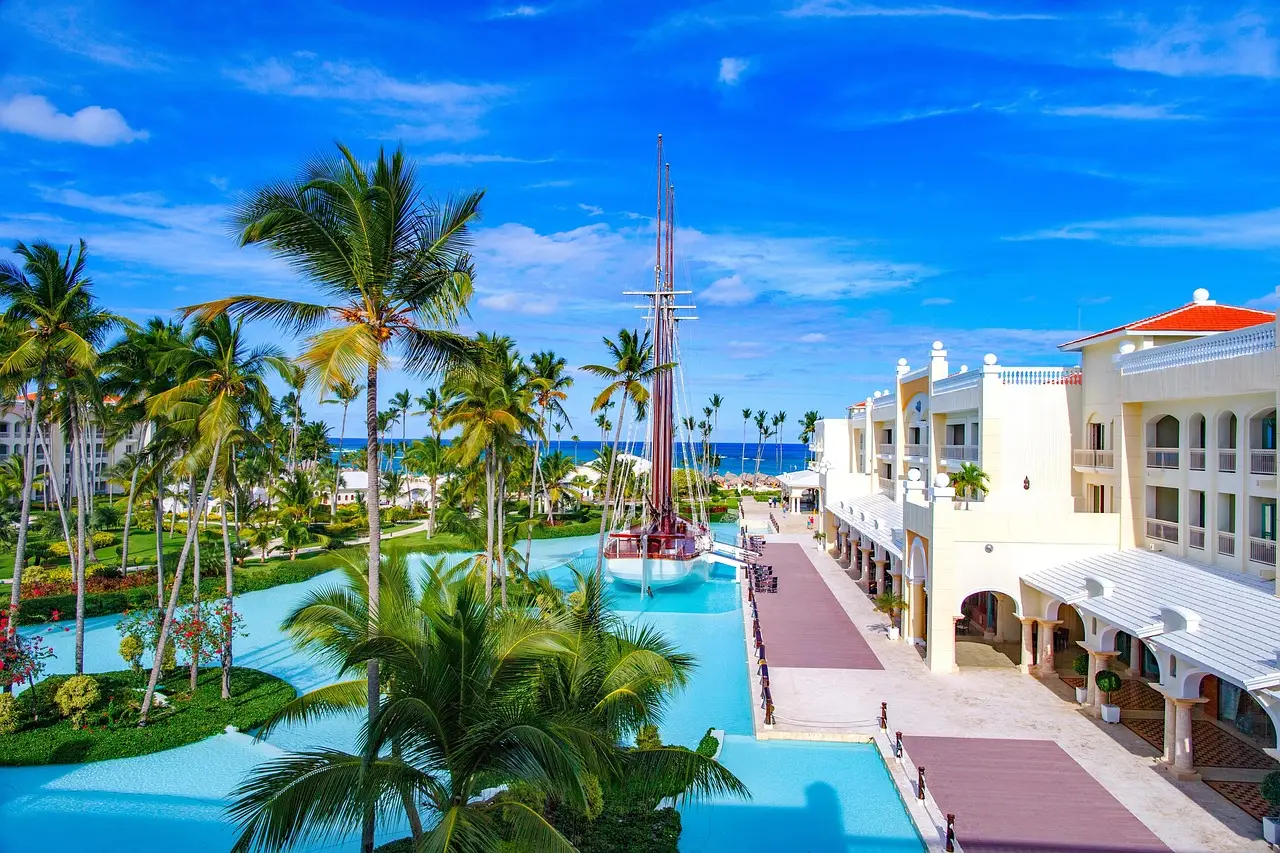
Her reference point is Tropicalia, her project in the Dominican Republic, where a forthcoming Four Seasons sits within a conservation-focused development. Cisneros calls that experience her “training ground” for a model placing nature and low visitor density at the center of luxury.
None of this establishes an investable pipeline. The proposal still lacks camp sites, capital commitments, operating partners and launch dates. For now, its first test is whether security, utilities, healthcare and emergency response can support a remote service standard at all.
If those conditions improve, four or five camps could establish conservation-led luxury before international brands arrive. If they do not, the nearer two-to-three-year demand window and the eight-year brand estimate will both move to the right.
More from Olivia Hart
Show full bio
Staff writer covering regulation, policy and their impact on Restaurant and hotel operations at The Pass Brief.
622 articles