Regenerative Lodge Design Replaces Sustainability Checklists in Africa, Costa Rica
Four lodges in Kenya, South Africa, Uganda and Costa Rica show regenerative design: off-grid systems, invasive-wattle weaving, prefab treetop tents and vernacular materials.
Four lodge projects across Kenya, South Africa, Uganda and Costa Rica are quietly rewriting the economics of sustainable hospitality — replacing upfront certification math with systems that keep paying ecological and local dividends long after the ribbon is cut.
That's the argument laid out by a design firm principal in a Hotel Business Review essay, and the case studies back it up with operator-level detail: an off-grid lodge on Kenya's Amboseli border, a boma in KwaZulu-Natal built from cleared invasive trees, prefab treetop tents shipped from South Africa to Costa Rica, and a Ugandan gorilla-forest property thatched with banana leaves.
The framing matters for anyone building or renovating in sensitive destinations. For years, the author argues, the industry "measured success by the amount of harm we could avoid." Regenerative design flips that question: what value can a project create for landscapes, communities and ecosystems over its lifetime?
What does Kitirua Plains Lodge actually run on?
The greenfield property, set on the edge of Amboseli National Park, had to establish every system from scratch. The list is concrete:
- Passive design strategies that sharply cut mechanical cooling, with air conditioning limited to essential spaces only
- Photovoltaic panels supplying the lodge's full energy needs, with no fossil fuel reliance
- An on-site borehole tied to the Kilimanjaro water system
- Greywater recycled for irrigation to ease pressure on local resources
- Integrated composting and recycling as part of daily operations
The architecture frames Mount Kilimanjaro at every turn, with curved walls and flowing rooflines echoing the terrain. Soil from the site, mixed into the plaster, lets the buildings sit within the landscape's palette. Maasai principles of coexistence with the land — adapting to its rhythms rather than controlling them — shaped decisions rather than serving as surface decoration, the author writes.
Furniture was crafted in Kenya, using handwoven natural fibers and partnerships with local artisans, on the logic that these carry the knowledge and identity of the place. Beyond the site boundary, the firm partnered with A&K Philanthropy to design a new school in Amboseli — an explicit bet that hospitality development should return value to the communities that make destinations viable.
How does invasive species removal become a jobs program?
At Madwaleni River Lodge in South Africa's Babanango Game Reserve, the pressing ecological problem was Australian black wattle — a fast-growing invasive that consumes significant water, displaces indigenous vegetation and degrades grassland. The reserve is actively clearing it.
The design answer: don't treat the cleared wood as waste. Artisans wove harvested wattle branches onto a steel framework using traditional Zulu craftsmanship to build the lodge's central boma. The structure isn't static, either. As the woven walls weather, they're rewoven with newly harvested wattle — creating recurring artisan employment and a standing economic incentive to keep pulling invasives out of the reserve. Each maintenance cycle reinforces the link between conservation, community and the guest experience.
What does prefab buy a Ritz-Carlton Reserve?
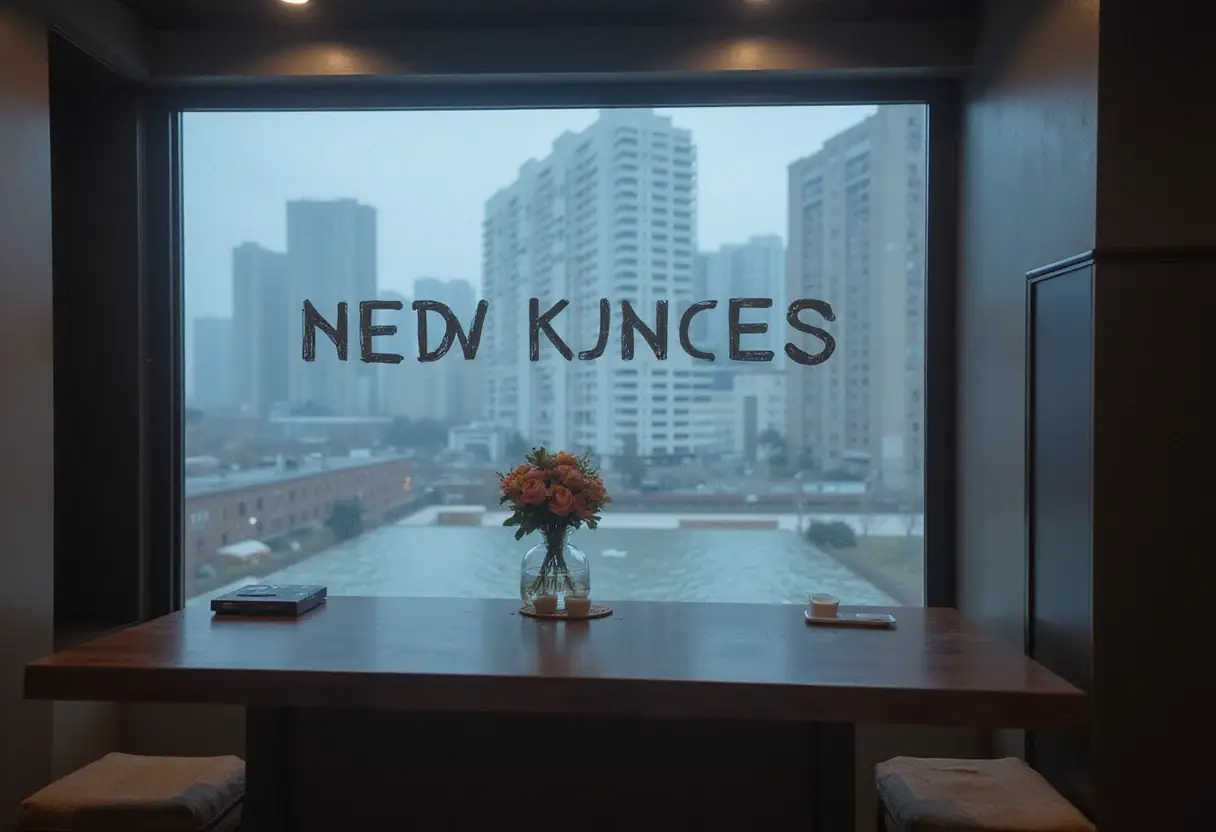
The Treetop Tents at Nekajui, a Ritz-Carlton Reserve on Costa Rica's Peninsula Papagayo, took the lightweight route. The structures were prefabricated in South Africa, cutting on-site waste during construction. Breathable canvas, roll-up mesh openings and elevated designs invite natural ventilation and protect the forest floor below.
The author's read on the guest is blunt: today's travelers value immersion, authenticity and connection to place "more than excess." That's why the firm builds considered suites rather than expanding for scale — uninterrupted views and wildlife encounters over square footage.
Gorilla Forest Lodge in Uganda pushes the same logic through vernacular materials: banana-leaf thatch for renewable insulation, locally made clay bricks for thermal mass, papyrus reeds for lightweight texture. High ceilings, generous overhangs and cross-ventilation reduce reliance on mechanical climate control. Open layouts frame the forest, where wild gorilla families occasionally pass through the property.
Guests may give up a degree of perfectly controlled thermal comfort, the author concedes. In return they get forest sounds at first light and the scent of land after rain — a trade the firm treats as the richer hospitality product.
What comes next?
The author calls the overall framework the "Open Spiral" — the recognition that a regenerative project is never truly finished, because its systems, partnerships and maintenance cycles keep generating value over time. For too long, the argument goes, luxury has been measured by how thoroughly it shields guests from the outside world. The next evolution of high-end hospitality, on this evidence, is building places whose ecological and community returns compound year after year.
More from Daniel Okafor
Show full bio
Correspondent covering companies, deals and strategy in Restaurant and hotel operations at The Pass Brief.
575 articles