US Spas Earn 4.5x More Per Location Than UK Spas, TRYBE Report Finds
TRYBE's 2026 global benchmarking report finds US spas earn 4.5x more per location than UK spas, with utilisation and packages — not price — driving the revenue gap.
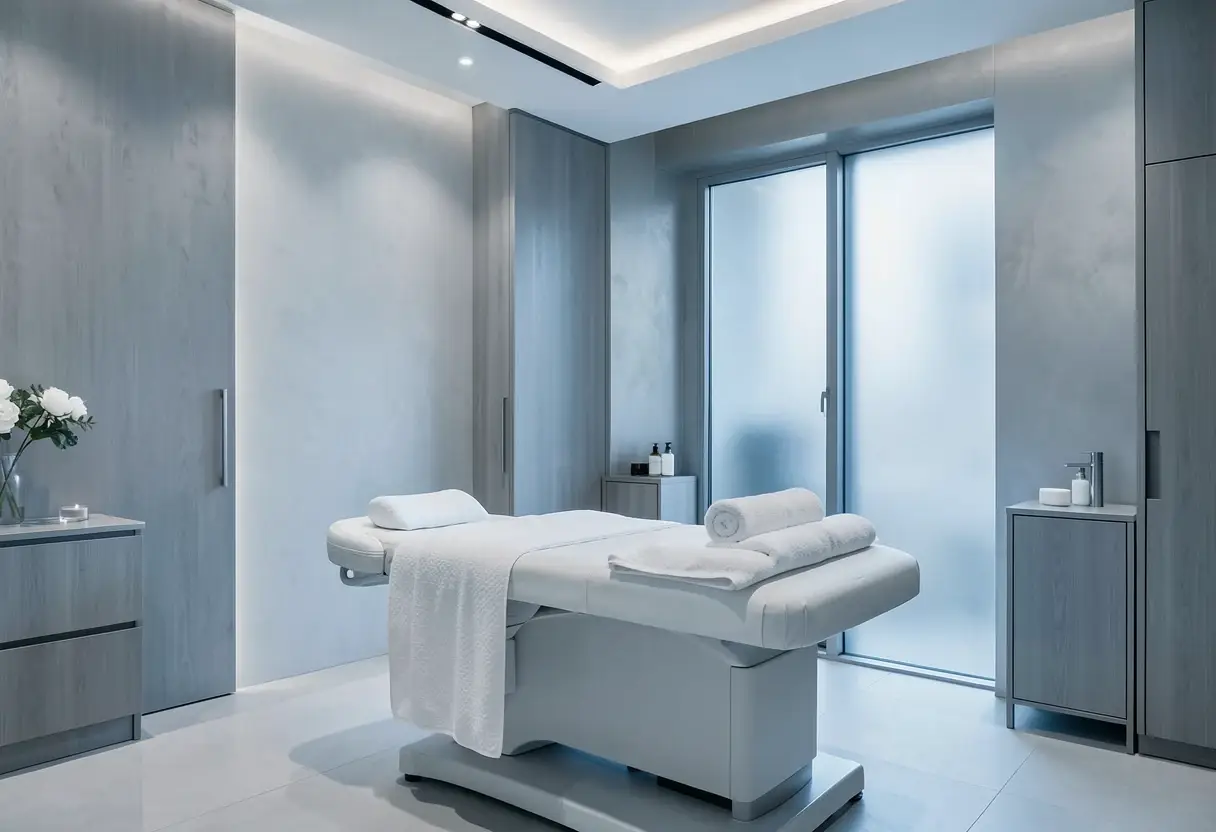
US spas generate 4.5 times more revenue per location than their UK counterparts, according to TRYBE's benchmarking report, The State of Spa Revenue: Global Benchmarks for 2026. The study draws on operational data from more than 400 spa, leisure and activity businesses across the UK, Europe and the United States.
The core finding: operators should stop asking whether the diary is full and start asking what each hour is worth. The report measures Revenue Per Available Treatment Hour, or RevPATH, alongside revenue, pricing and guest behaviour.
What drives the transatlantic gap?
American spas serve more guests per year than operators in Europe and the UK. Each guest also spends 21% more per visit than a UK guest. Higher treatment prices and stronger use of treatment hours compound the advantage.
Pricing shows the sharpest contrast. A 60-minute treatment in the US costs 59% more on average than in the UK; at 90 minutes, the gap narrows to 27%. Yet price alone does not explain performance. Europe charges less than the UK at every treatment length but earns more per guest and nearly three times more per location. Utilisation and packaging, the report concludes, do the heavy lifting.
Does scale improve returns?
No. Measured by RevPATH, scale works against operators. UK operators at the smallest end earn more than twice as much per available treatment hour as the largest. In Europe, mid-size operators post some of the highest figures in the dataset, while the largest groups fall far behind.
The report attributes the drop to complexity: more rooms, more therapists and more diary gaps, often managed without systems built for the load.
How has the guest changed?
Guests aged 25 to 44 are now the highest-spending segment, treating wellness as routine rather than an occasional treat. The 55-plus group, long the industry's core market, now spends the least. Male bookings grew 255% between 2024 and 2025.
Booking behaviour has shifted decisively online and off-peak:
- 51% of bookings are made outside office hours
- 76% are made on a smartphone or tablet
- Monday brings the most bookings; Saturday brings the highest spend
- 93% of bookings through TRYBE are packages
- Well-placed upsells in the booking journey average £266
"For years the spa industry has measured success by how full the diary is. That question is running out of road," said Amy Moore, Marketing & Partnership Lead at TRYBE. "Labour costs are rising and margins are under pressure, so growth has to come from the value of each hour, not the number of appointments. The operators at the top of our benchmarks aren't the biggest or the most expensive. They're the most intentional: they design their days around demand, lead with packages and treat their booking data as a live strategic tool."
What do top performers do differently?
Across every market, the leading operators share one trait: intentionality, not size, location or price point. They make packages the default offer rather than an option buried in the booking flow. They build upsells into the online journey instead of relying on front-of-house staff to sell them.
They also treat the diary as a revenue tool rather than a schedule. That means protecting peak periods for high-margin services and filling quiet windows with targeted offers instead of blanket discounts. Dynamic pricing remains rare: only 18% of US spas use automated dynamic pricing, and adoption elsewhere is presumably lower, so the report sees room in every market.
Finally, top performers measure the right things. They track RevPATH alongside occupancy, monitor upsell conversion alongside treatment volume, and use booking data to make real-time decisions rather than review last month's totals.
The report is available to download now, and TRYBE invites operators to compare their own RevPATH, pricing and treatment mix against the benchmarks. How many operators act on it, rather than simply read it, will determine whether the 4.5x gap narrows in next year's dataset.
More from Marcus Bennett
Show full bio
Market editor covering technology and product news in Restaurant and hotel operations at The Pass Brief.
590 articles