UKHospitality backs planning overhaul, says decision delays are blocking growth
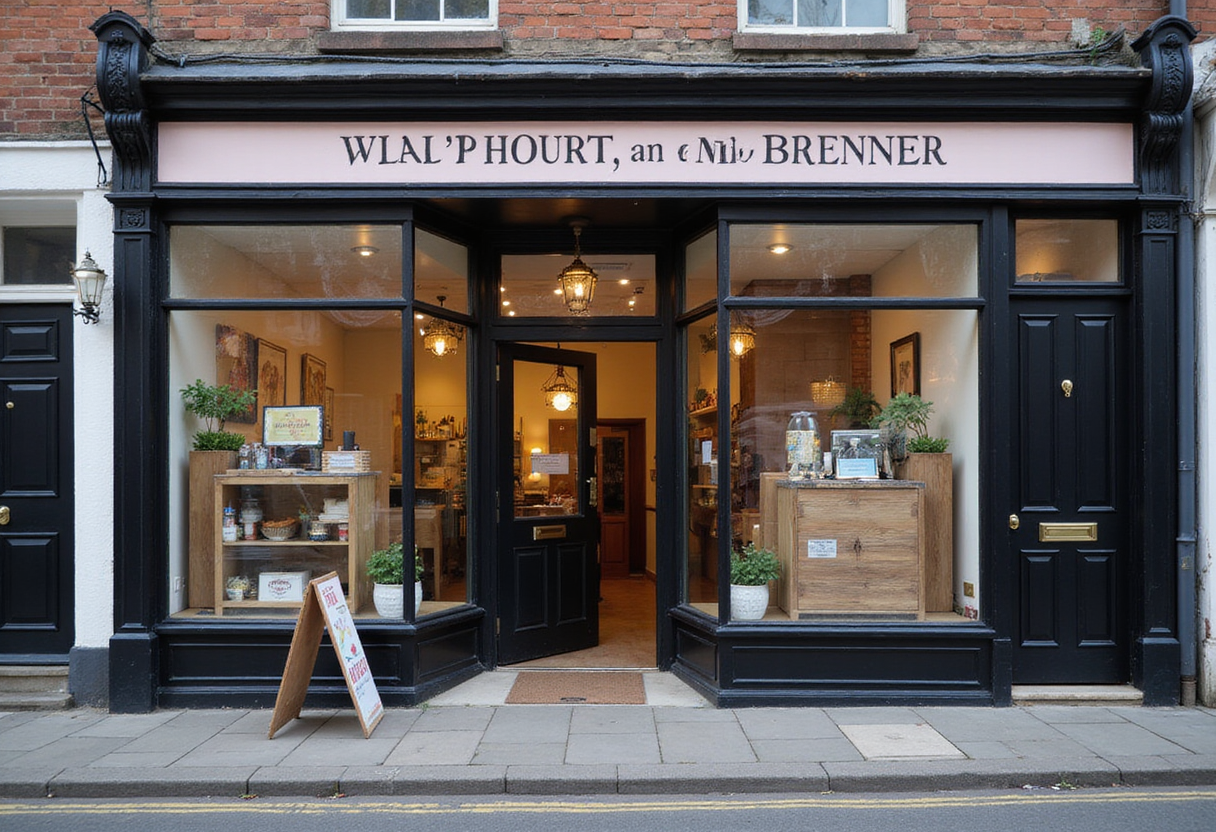
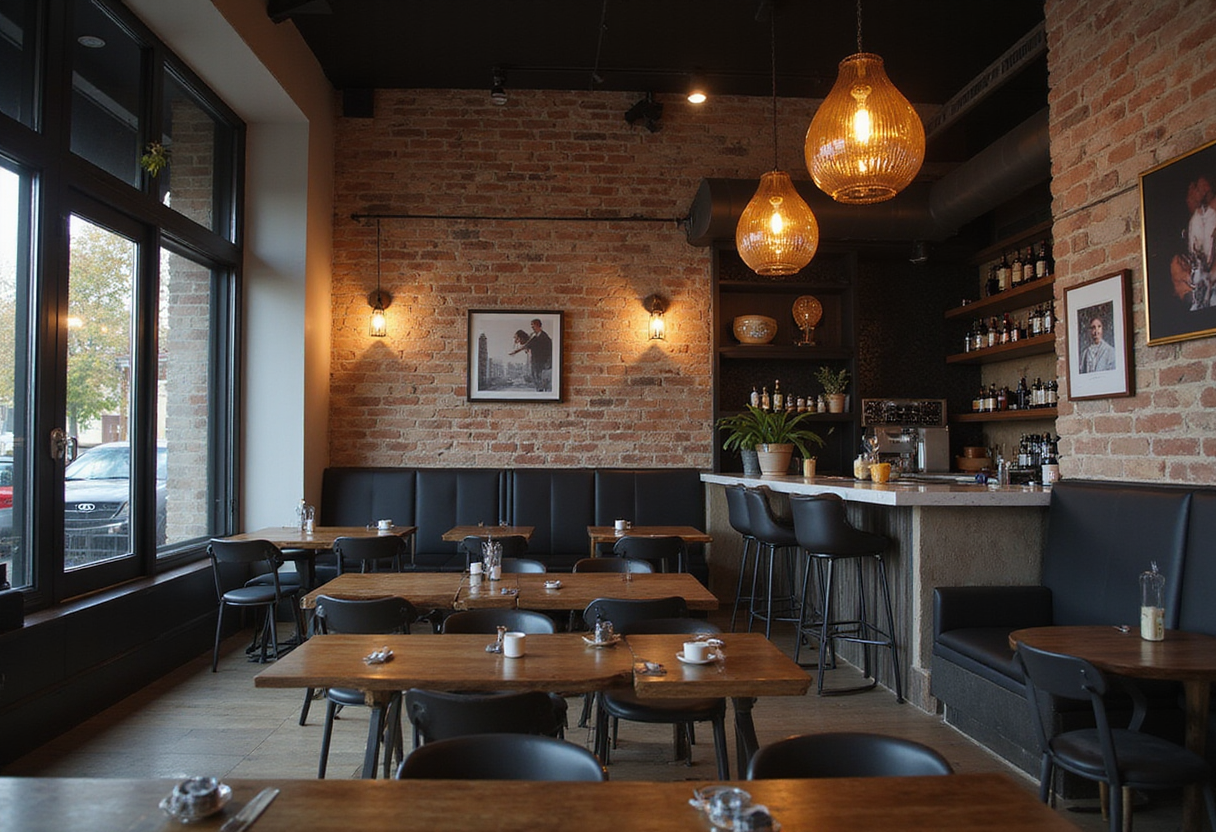
UKHospitality has backed the UK government's planning overhaul, telling ministers that local-authority decision delays are suppressing hospitality investment and slowing new openings across pubs, restaurants and hotels.
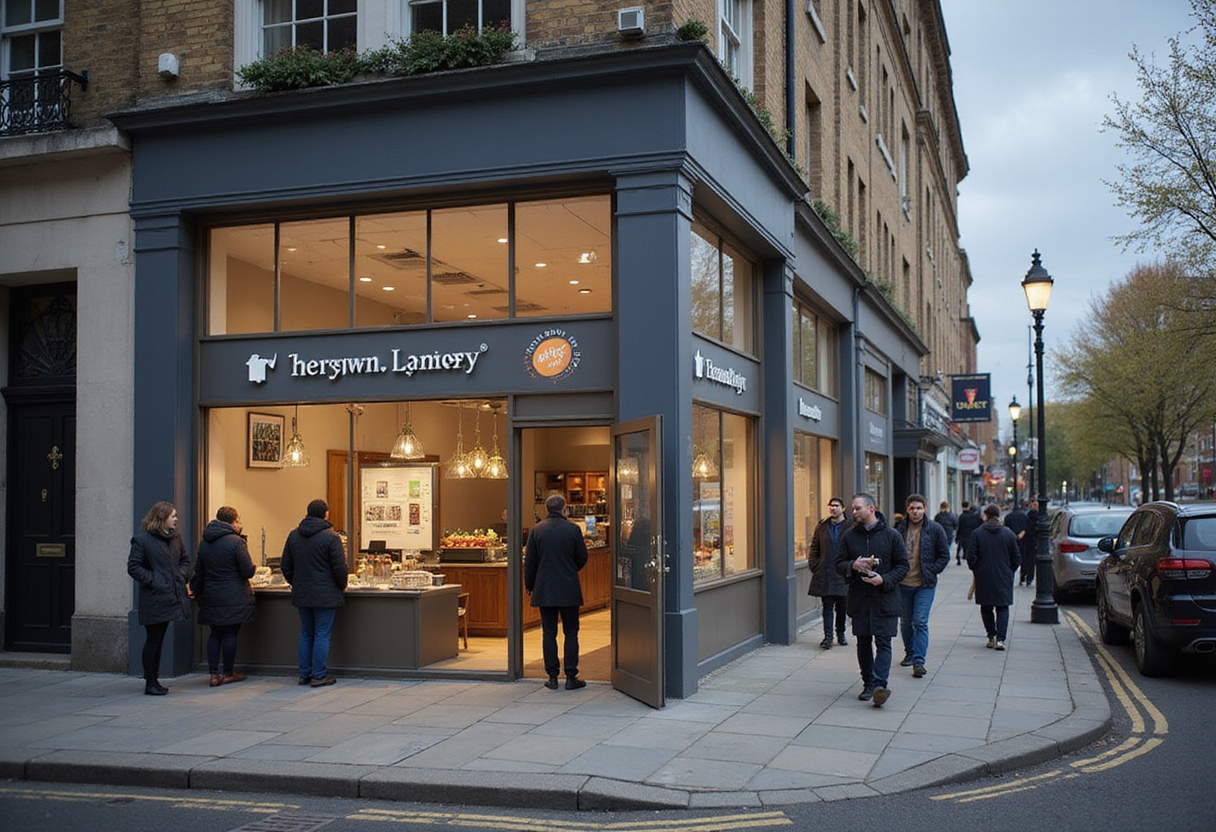
UKHospitality has backed the UK government's planning overhaul, warning that prolonged decision delays at local authorities are suppressing hospitality investment and slowing new openings across pubs, restaurants, hotels and leisure venues.
The trade body, which represents operators running tens of thousands of sites across the UK, submitted its response to the consultation with a single, blunt message: "Decision delays hinder growth." The framing positions planning latency as a direct constraint on capital deployment, not a procedural inconvenience.
What is UKHospitality pressing for?
The Caterer reported the intervention this week. UKHospitality is asking ministers to:
- Tighten statutory determination deadlines for planning applications tied to hospitality use classes
- Standardise the evidence base local authorities must apply when assessing evening-economy proposals
- Ring-fenced pre-application advice for operators seeking outdoor seating, terrace enclosures and retractable roofing
- Reduce the variance in Section 106 and CIL demands between neighbouring authorities, which currently distorts site selection
Why planning latency hits margins
For operators, the cost of delay lands in three places on the P&L. First, holding costs: sites under offer or in legal limbo continue to accrue rent, rates and finance charges. Second, lost trading windows: a six-month delay on a 100-cover restaurant can erase an entire peak-season revenue line, and the lost contribution never returns. Third, capex inflation: a bar refurbishment held in pre-application while an environmental-health query is resolved will land at higher material and fit-out costs than the same scheme approved on time.
The cumulative effect is a higher break-even check average or a longer payback period on every project, which in turn tightens the criteria lenders apply when underwriting hospitality debt. UKHospitality's argument is that the planning system is therefore a margin issue, not merely a planning issue.
Where the friction concentrates
Hospitality planning delays cluster around three use-class moves: change of use from offices or retail to food and beverage, applications for outdoor seating and pavement licences, and listed-building or conservation-area consents for pubs and heritage hotels. Each carries its own consultation timetable, and stacking them sequentially can stretch a single scheme across two or more financial years.
Operators running multi-site estates face the same choke point at scale. A group opening four or five units a year cannot accelerate throughput if each site spends 40 to 52 weeks awaiting determination, regardless of how well the estate team is resourced.
What the government is proposing
The Ministry of Housing, Communities and Local Government has signalled an intent to shorten decision windows and lift the threshold below which permitted-development rights apply to commercial conversions. The full text of UKHospitality's submission has not been published, but the trade body's headline position aligns with operators who have been pressing for a more deterministic timetable.
What to watch next
The consultation response will feed into a wider planning and infrastructure bill expected later in the parliamentary session. The operative question for operators is whether statutory deadlines will carry enforcement teeth or remain advisory, and whether the reformed use-class structure preserves the freedoms operators gained under Class E.
For now, the trade body's position is on the record: until the planning clock shortens, the unit pipeline will continue to run behind demand.
More from Rebecca Stone
Show full bio
Senior reporter covering media and advertising at The Pass Brief.
225 articles