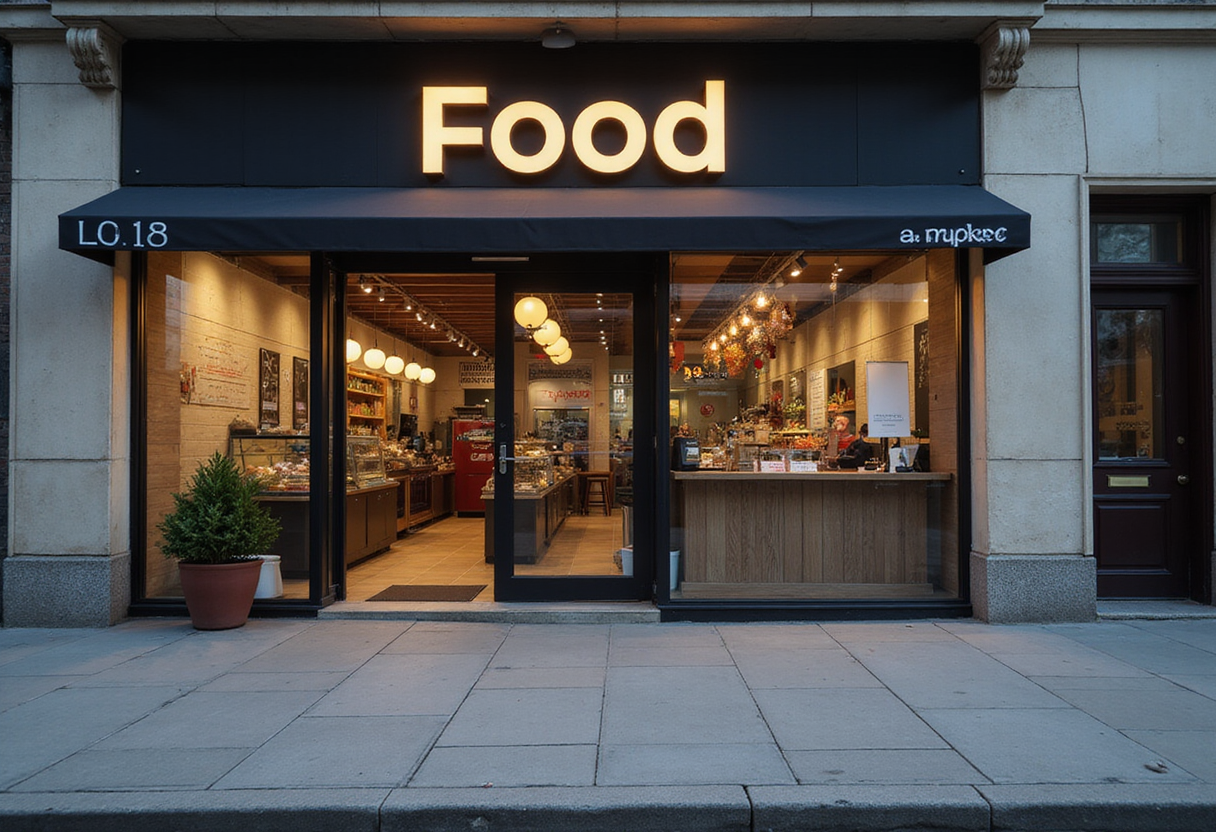
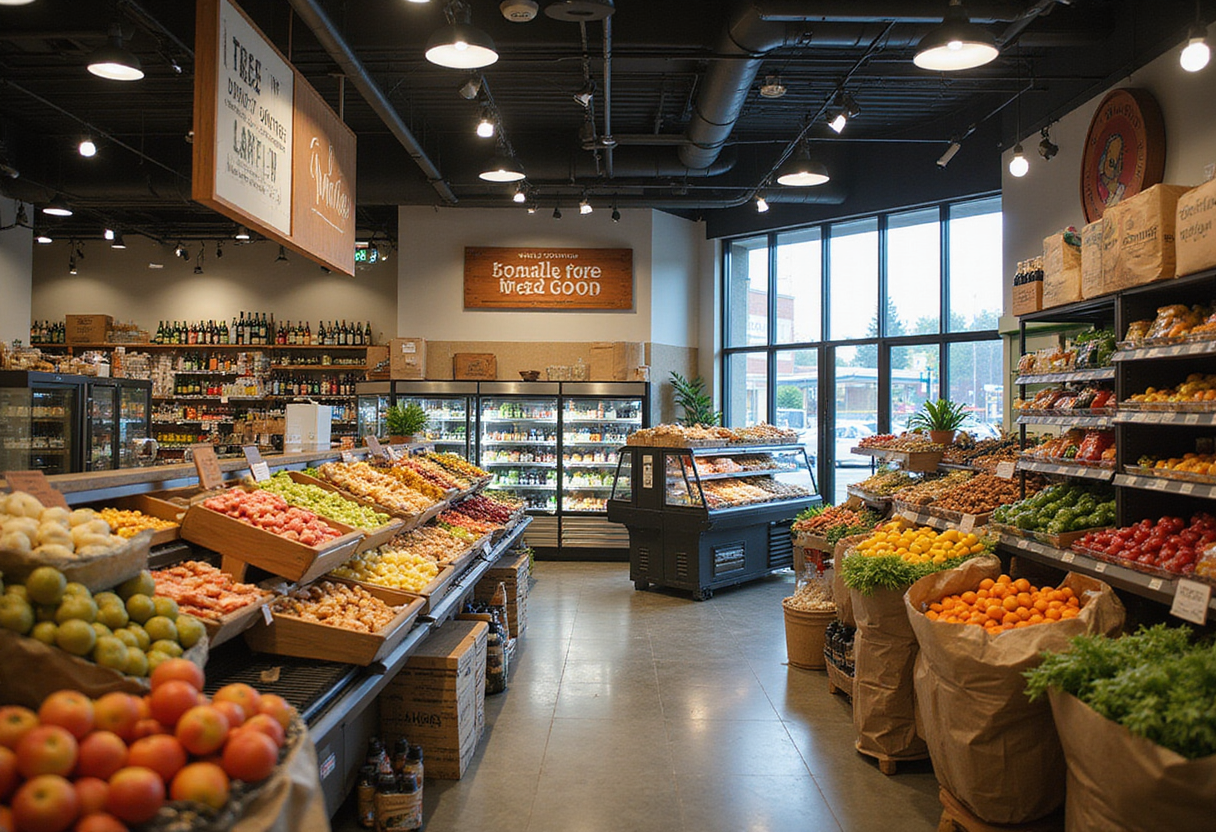
Trend cycles compress as operators face faster menu turnover
Food trend categories that once ran five to seven years on menus now hold chain placement for six to nine months. Operators respond with smaller pilots, flex-menu platforms and pricing discipline built around shorter novelty windows.
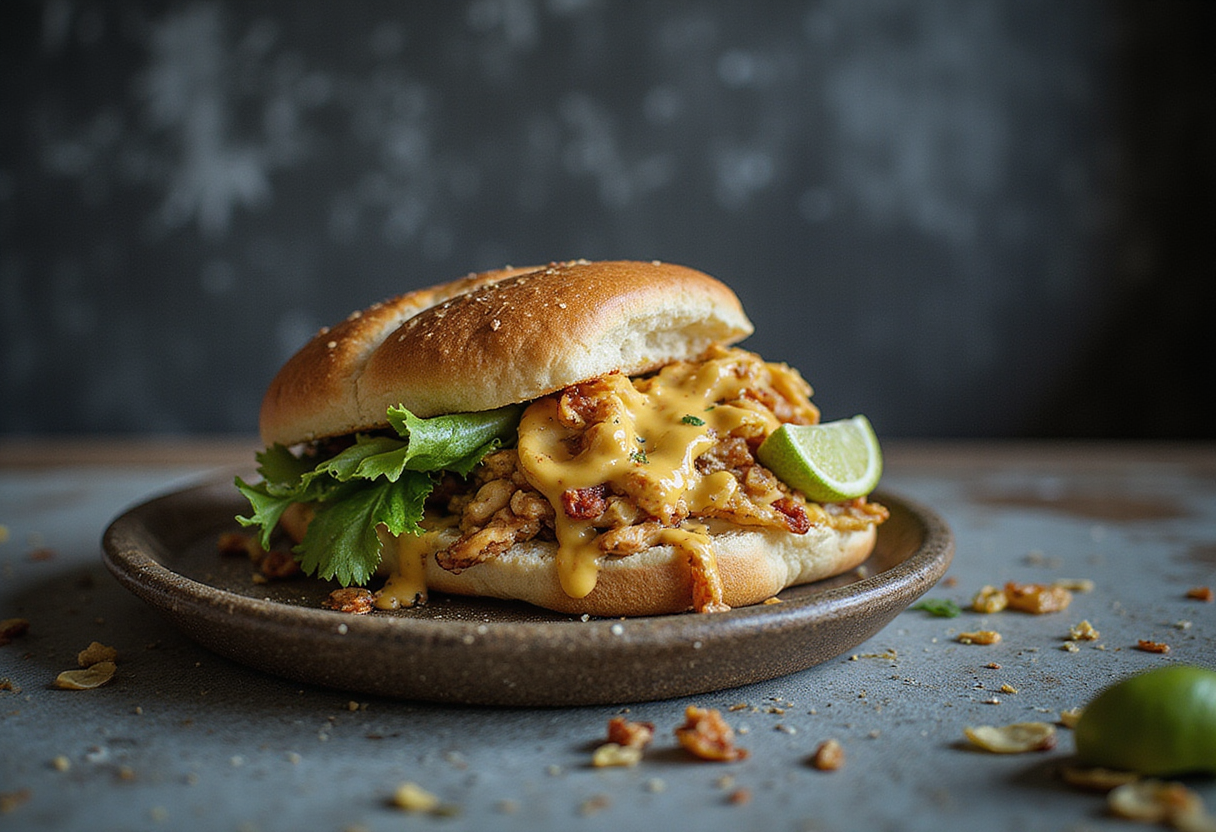
Food trend categories that defined the early 2010s — kale, açaí, gourmet cupcakes — each ran five to seven years on U.S. menus before fatigue set in. Items surfacing through short-form video discovery now hold chain placement for roughly six to nine months before consumer search interest decays, a compression the Jakarta Post editorial board flags in its new piece "The shortening life of food trends."
That compression is not abstract. It hits the unit-level P&L.
What does trend compression cost operators?
Every menu addition carries fixed costs: vendor qualification, recipe documentation, POS configuration and crew training. When an item peaks in week six and underperforms by week sixteen, the breakeven window narrows enough to threaten contribution margin on the SKUs that flanked it.
Operators are responding with structural defenses rather than creative ones:
- Pilot scope reduced from system-wide rollouts to 20-50 unit introductions
- Flex-menu platforms that let regional kitchens rotate items monthly
- Secondary supplier relationships held in reserve rather than locked into long contracts
- Premium check-average pricing baked into trend items at launch rather than discounted in
Why is the cycle shrinking?
Algorithm-driven discovery has displaced the distribution rails that once gated food trends — print media, cable food television, packaged-goods licensing. A single viral clip can now deliver tens of millions of impressions in a weekend, which means discovery peaks earlier and decays faster. Operators who once watched a trend climb for two years now see the curve compressed into two quarters.
The Jakarta Post editorial framing carries a direct implication for menu teams: build architecture for turnover rather than permanence.
How should operators adjust?
The pivot runs from "should we add this?" to "can we be first, and can we exit cleanly?" Menu committees that once debated a candidate item for six to eight weeks now face a 72-hour decision window before social discovery peaks elsewhere. Speed of execution replaces longevity of placement as the strategic variable.
What changes next
Expect menu structures to continue bifurcating. A stable core of proven margin contributors — the burgers, the bowls, the standardized proteins — will carry most of the check economics. Around that core, a faster-rotating periphery will absorb the attention economy without committing long inventory lines or extended crew retraining cycles to any single novelty.
Indonesian and Southeast Asian chains operate inside the same compression curve, with the additional pressure of imported ingredient volatility layered on top. Operators that built sourcing for a 24-month trend arc often find themselves holding contracts engineered for a category that has already moved on.
The Jakarta Post piece joins a growing editorial thread on trend turnover, and operators weighing it should plan not just what to add to next quarter's menu, but how to structure sourcing and pricing so a six-month trend item can pay for itself before it walks off the menu.
More from Marcus Bennett
Show full bio
Market editor covering media and advertising at The Pass Brief.
243 articles