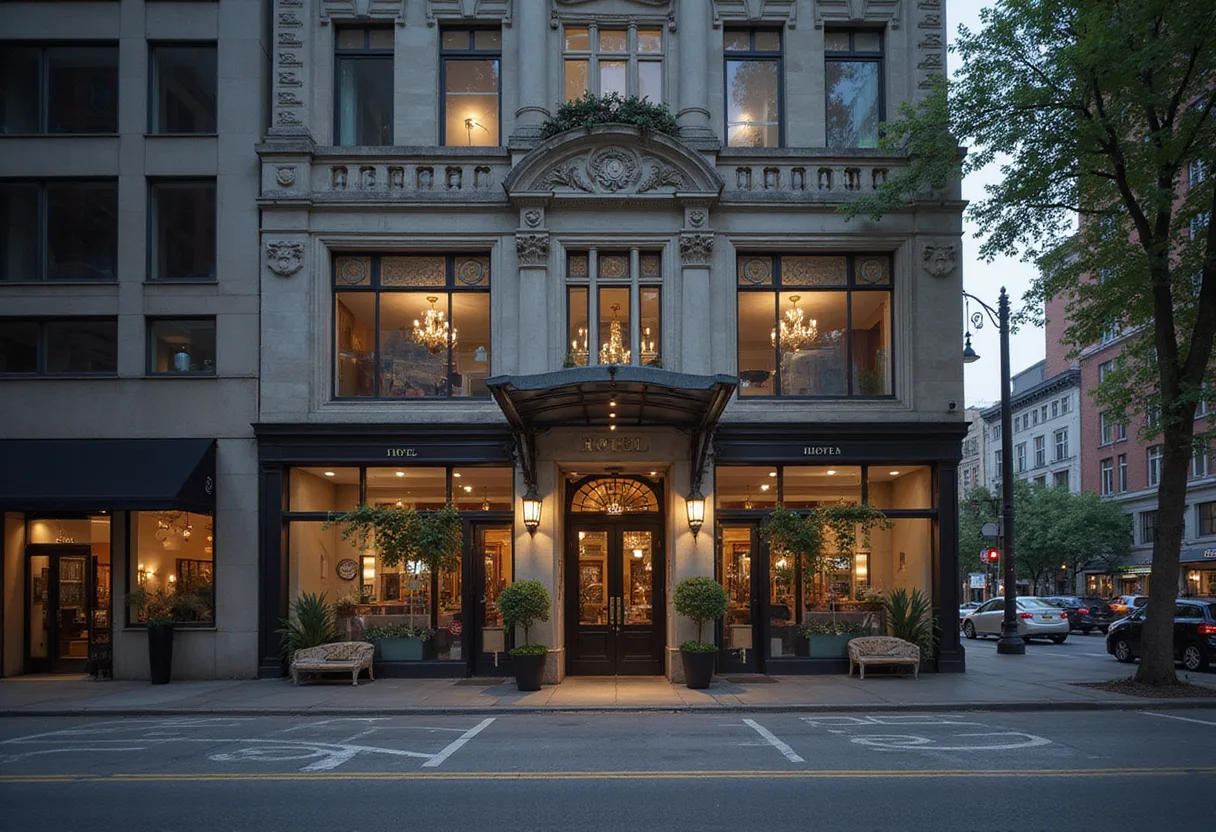
The Plaza in New York to Restore Its Historic Facade
The Plaza Hotel in New York will restore its historic facade, Hotel Business reports. The landmark, owned by Katara Hospitality since 2018, faces a project shaped by landmark rules.
The Plaza Hotel in New York will undergo a restoration of its historic facade, Hotel Business reports. The project targets the exterior of one of the city's most recognizable hotel properties, the century-old landmark that fronts Fifth Avenue at Central Park South.
The report does not yet specify a start date, a completion timeline, a contractor or a project budget. What it does confirm is the scope: the facade itself, the element of the building that carries both its landmark obligations and its brand weight.
Why a facade project matters at this property
The Plaza operates under constraints that most hotel renovation schedules do not face. As a designated landmark, exterior work requires review and approval from New York's landmarks authorities before any scaffolding goes up. That process shapes both the timeline and the cost structure of the restoration.
For an asset like The Plaza, the facade is not maintenance overhead. It is the product. The building's exterior appears in the property's marketing, its event bookings and its position in the luxury tier of the Manhattan market. Restoration work protects that pricing power.
The ownership question sits at the center of the economics. The Plaza's owner, Katara Hospitality, acquired the property in 2018 as part of a $570 million deal that also included the Dream Downtown, when the Qatari group bought the hotels from a group led by Ashkenazy Acquisition Corporation and its partners, including Sahara's Subrata Roy, as Hotel Business reported at the time. The deal capped years of disputes among the prior ownership group. Katara Hospitality is the hospitality arm of the Qatar Investment Authority.
The hotel itself is managed and operated as a Fairmont property under Accor, while the building also contains private residences and retail — a split that complicates how capital projects are scoped, approved and paid for.
What does this change for guests and for the owner?
For guests, near-term disruption is the practical question. Facade work typically means scaffolding, netting and, in some cases, room closures on affected floors. The Hotel Business report does not indicate whether any rooms or public spaces will close during the work, and no booking restrictions have been announced.
For the owner, the calculus runs the other way. Katara Hospitality has positioned The Plaza as a flagship asset in an international portfolio. Deferred exterior work on a landmark is not a neutral option: deterioration raises eventual repair costs and can trigger regulatory action. Acting now converts an escalating liability into a scheduled capital expenditure.
The wider read
New York's luxury hotel segment has seen a steady cycle of capital reinvestment as operators compete on condition as much as service. A visible restoration at The Plaza keeps the property in that cycle rather than outside it.
Details on the project's schedule, cost and phasing will determine the real impact on operations. Hotel Business, which first reported the restoration plan, will be the outlet to watch for those specifics as the project moves toward landmark review and construction.
More from Elena Vasquez
Show full bio
News editor covering people, launches and day-to-day practice in Restaurant and hotel operations at The Pass Brief.
489 articles