Waldorf Astoria New York Reopens After Full Renovation
The Waldorf Astoria New York has reopened after a full renovation, returning the 1931 landmark to service and testing whether its legendary status survives.
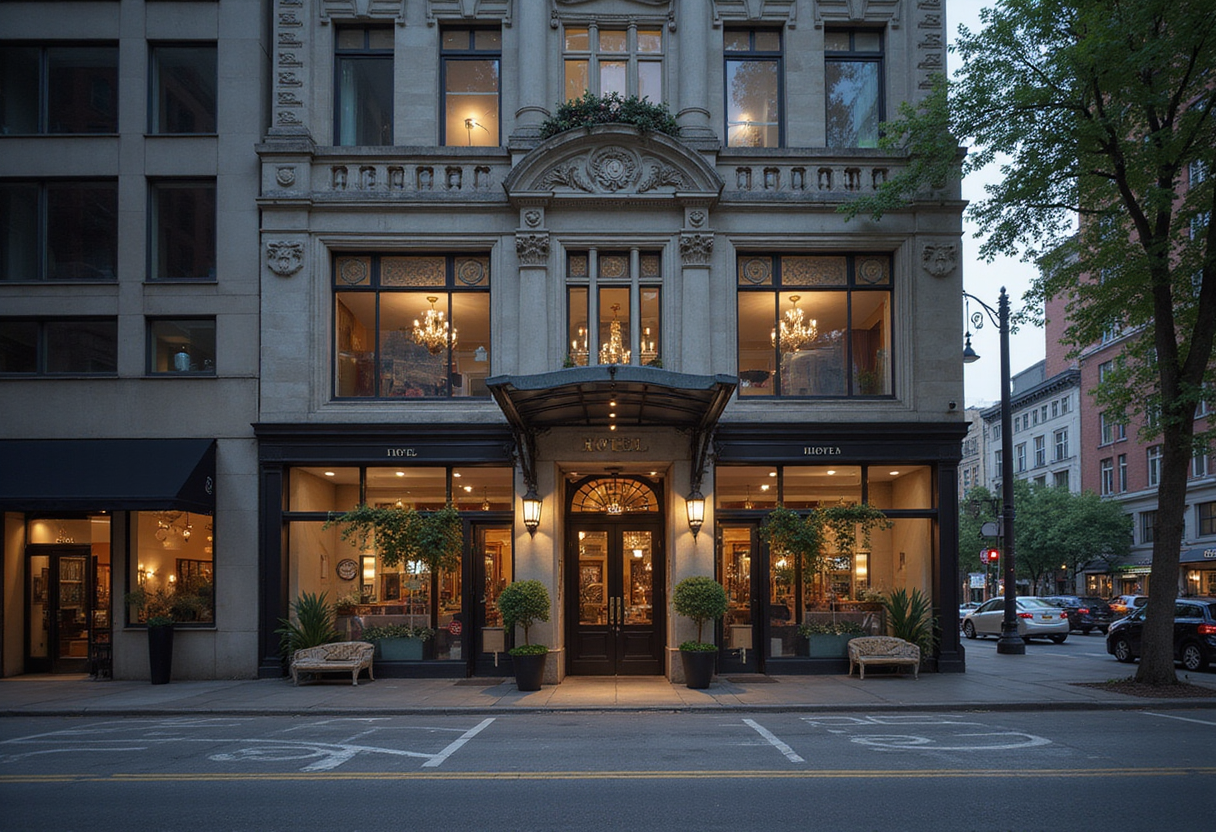
The Waldorf Astoria New York has reopened following a full renovation, returning one of the country's most recognizable hotel properties to service and putting a 1931 Art Deco landmark back at the center of the city's luxury hospitality competition.
The reopening closes the longest closure in the property's modern history. For a hotel that has functioned as much as an institution as a business — the address of presidents, the origin point of the Waldorf salad, the name attached to an entire Hilton luxury brand — the renovation was never a routine capital project. It was a test of whether a nearly century-old building can be brought to current luxury standards without erasing what made it valuable in the first place.
The question the reopening raises is straightforward: does the landmark still hold its legendary status? That is not a matter of taste. It is a matter of economics.
Why the renovation matters to operators
Full renovations of landmark-scale hotels are among the most expensive projects in hospitality, and they carry a specific financial logic. The owner takes a revenue-producing asset offline — in this case, a property whose name alone commands a rate premium — and spends years on construction before a single guest returns.
The bet only pays if the renovated product can command rates at or above its pre-renovation ceiling, and if the brand halo extends across the wider portfolio. The Waldorf Astoria name is licensed across a global chain of properties; the flagship's condition directly affects what that name is worth everywhere else.
For the New York market specifically, the reopening adds renewed luxury supply at a time when hotel operators across the city are competing on rate through renovation and repositioning rather than new construction.
What does the reopening change?
The property re-enters the market with a fully renovated building. That shifts its competitive position in three ways:
- Rate positioning. A full renovation resets the pricing baseline; the property will be judged on whether it can sustain post-renovation rates against Manhattan's established luxury leaders.
- Brand value. As the namesake of the Waldorf Astoria brand, the flagship sets the standard the rest of the portfolio is measured against.
- Landmark obligations. As a 1931 building, the property carries historic-designation constraints that shape what renovation could change — a cost and design factor that newer competitors do not face.
Can a 1931 landmark compete in today's market?
The core tension is between authenticity and currency. The building's age is its brand equity — the legend, the history, the recognizability. But luxury guests in New York now benchmark against new-build and recently renovated competitors, and the renovation had to deliver modern expectations inside a protected shell.
The reopening answers that question only provisionally. Initial bookings will reflect curiosity and brand loyalty; sustained performance will reflect whether the renovated product earns its rate on repeat business.
For the wider industry, the project is a case study in the economics of landmark luxury: whether the value of an iconic name, fully reinvested, still outperforms the alternative of building new.
The months ahead — with full-rate quarters behind it — will show whether the Waldorf Astoria New York has preserved its legend or merely its facade.
More from Rebecca Stone
Show full bio
Senior reporter covering media and advertising at The Pass Brief.
240 articles