The 'Daycap' Trend Pushes Bar Sales Into Daylight Hours
Food & Wine reports on the 'daycap' — earlier-day drinking replacing the late-night stop. The shift moves alcohol revenue into daylight hours and pushes operators to rebuild menus, pricing and labor for afternoon demand.
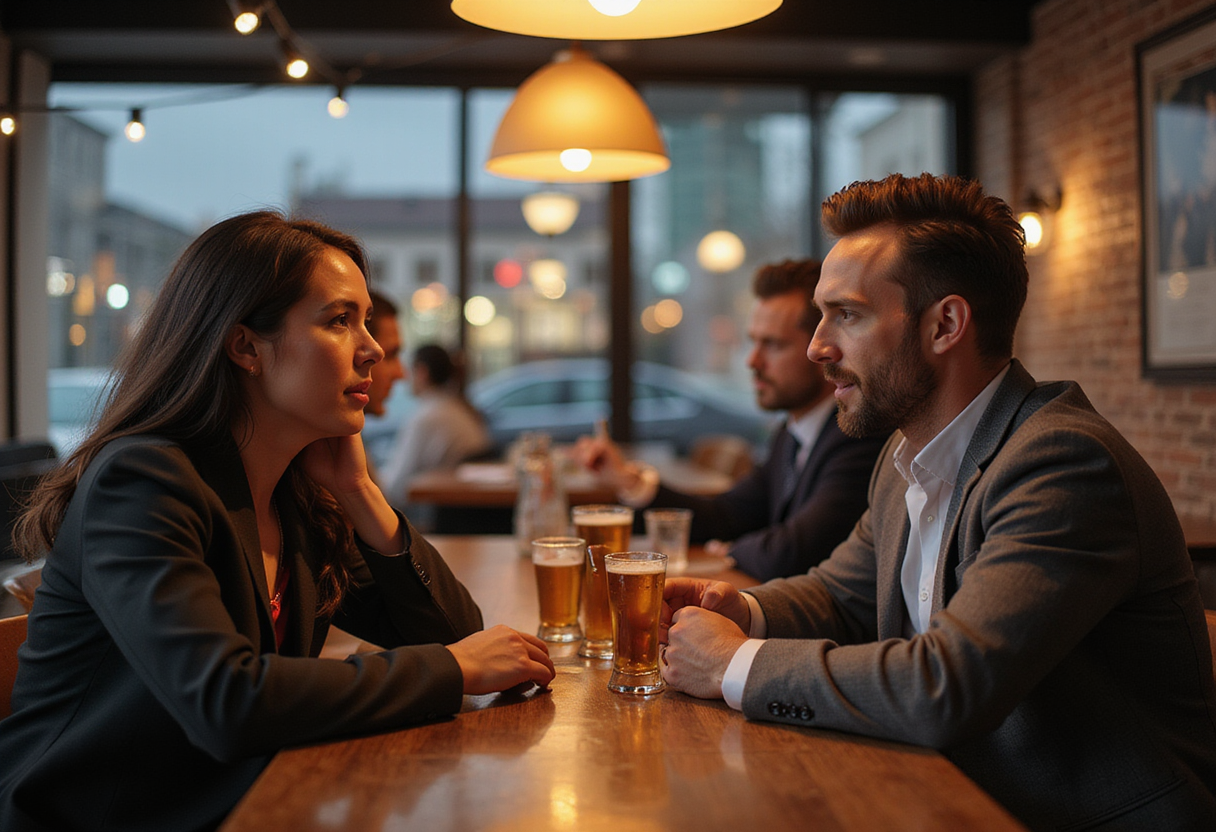
Food & Wine is reporting on a shift in consumer bar-going behavior it labels the "daycap" — earlier-day drinking visits that replace the traditional late-night bar stop. The outlet's framing centers on why consumers are choosing afternoon and early-evening hours over service after 9 p.m.
What is the daycap replacing?
The daycap replaces the "nightcap," a final late-evening drink, with an early arrival at a bar or restaurant during the lunch, mid-afternoon, or happy-hour window. For operators, the relevance is immediate. Beverage revenue that used to concentrate after 9 p.m. is migrating earlier.
What does the daycap look like in practice?
A guest who might historically order a single cocktail during dinner now arrives at 3 or 4 p.m. with a drink already in hand. The cocktail becomes the first line on the check rather than an end-of-meal add-on. Bar tabs compress into a shorter window, but per-visit spend can climb because food and beverage pair up earlier, before peak-hour premiums apply.
Why does the timing matter for unit economics?
Labor cost as a percentage of sales is the variable most sensitive to daypart mix. A shift selling more alcohol in daylight hours faces a different wage profile than one built around late-night service. Inventory turns also adjust.
Draft beer, sparkling wine, and lower-ABV cocktails — the categories most associated with afternoon consumption — require a different reorder cadence than the high-ABV brown spirits that anchor late-night tabs.
How does the trend intersect with menu engineering?
Operators building early-daycap-friendly menus need items that travel well after several hours on the line and hold value through 6 p.m. without repricing. Formats most aligned with the order pattern Food & Wine describes include:
- Shareable plates designed for an early-arrival guest
- Cured fish and charcuterie programs with long plate life
- Cheese boards built around a single wine or cocktail pairing
- Lower-prep hot items that hold without last-minute firing
What pricing levers does a daycap-friendly model expose?
Happy-hour mechanics, modest price-point cocktails, and bundle structures that combine a drink with a small plate give operators a way to convert the daylight bar seat into a check that resembles a light dinner rather than a one-drink stop.
The margin profile differs from late-night operations. Lower beverage cost percentage on cocktails built with house spirits can offset the lower throughput per labor hour that daylight service often generates.
What does the shift mean for staffing?
Bartenders and servers who built careers around late-night shifts now face a daypart where earlier hours carry the highest alcohol revenue. Operators pivoting toward daycap-led programming may need to restructure scheduling and retrain staff on a different service tempo.
Tip-pooling distribution across the workday is a related consideration — earnings concentrate at hours different from the traditional closing shift.
What remains unmeasured
Food & Wine's reporting identifies a behavioral pattern but does not provide unit-level check averages, operator case studies, or geographic concentration that would confirm whether daycaps are a national phenomenon or a coastal, urban skew.
That distinction matters. An urban rooftop bar's ability to capture a 4 p.m. daycap client does not translate directly to a suburban casual-dining dining room whose afternoon traffic is built around families rather than drinkers.
What is the forward signal for operators?
Daypart mix is shifting earlier. Alcohol-led revenue is following the migration. Unit economics will reward concepts that engineer menus, price points, and labor schedules for afternoon demand rather than treating daylight hours as a transition to the real business later in the evening.
More from Daniel Okafor
Show full bio
Correspondent covering consumer brands and retail at The Pass Brief.
216 articles