Texas BBQ Operator Drops Brisket as Beef Prices Devour Margins
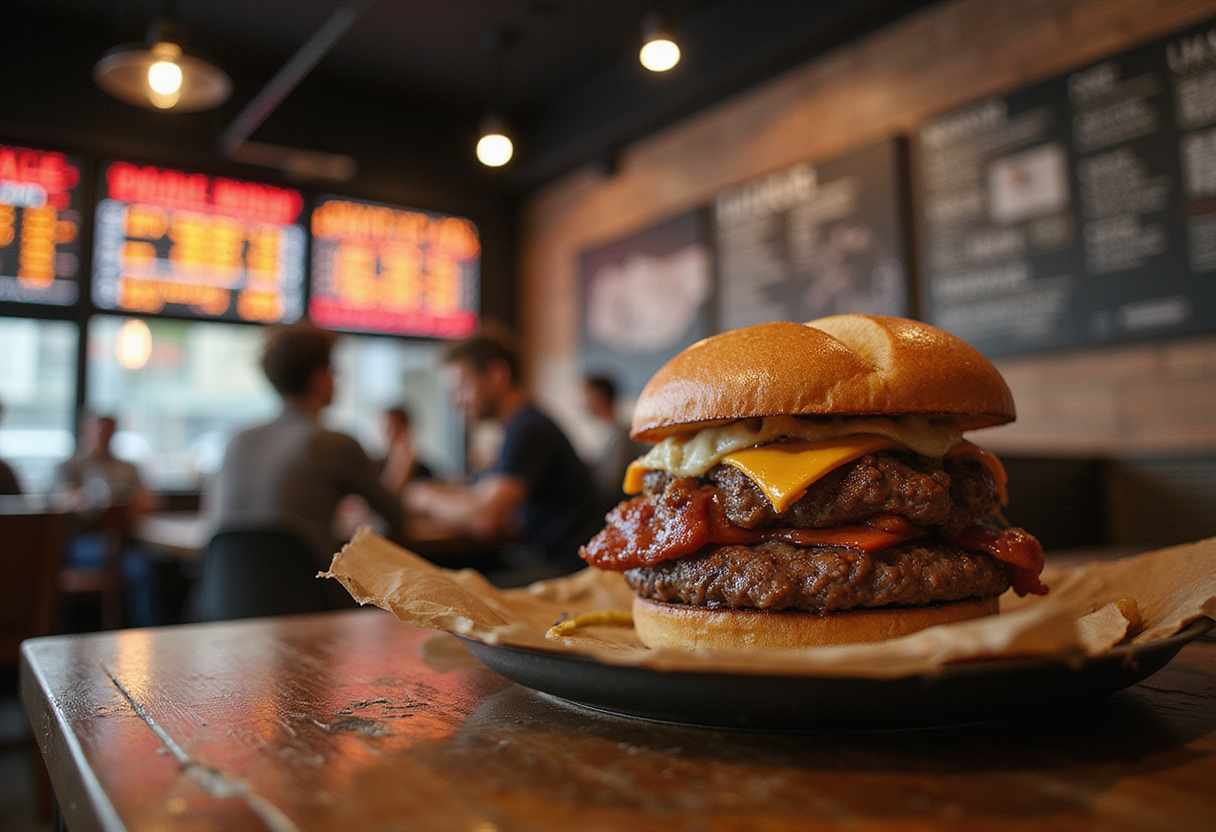
Butter's BBQ owner Andrew Soto removed brisket from the menu in Sinton, Texas, as rising beef prices made the signature smoked meat unprofitable to sell.
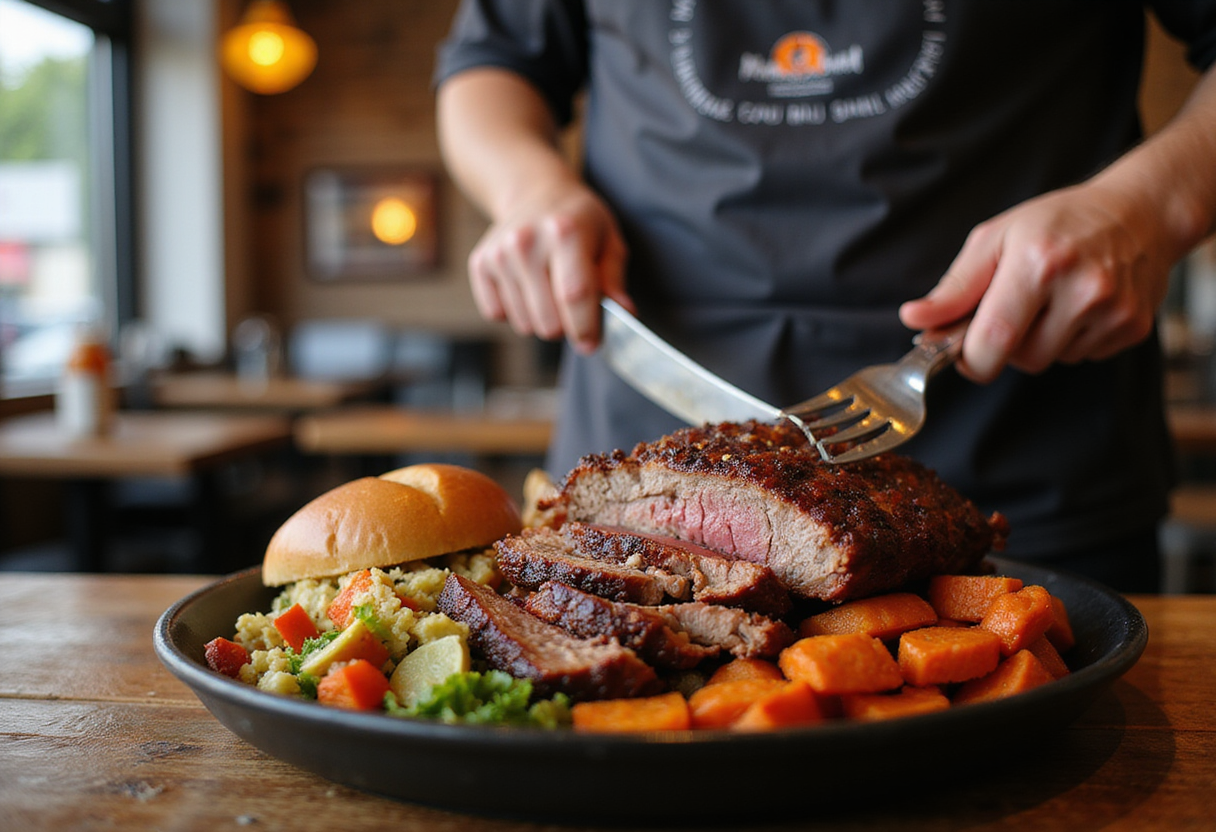
Andrew Soto, owner of Butter's BBQ in Sinton, Texas, has pulled brisket from his menu because rising beef prices have made the state's signature smoked meat unprofitable to sell.
Soto described the removal as a difficult choice forced by cost rather than demand. For a Texas barbecue operator, cutting brisket is a last-resort menu decision: the item anchors the concept, drives traffic and typically sets the price expectation for the rest of the board. Soto's move signals that his cost of goods on beef has risen past the point where pricing can cover it without pushing checks beyond what his market in Sinton, a small city northwest of Corpus Christi, will bear.
What does the decision say about operator economics?
The episode illustrates the blunt arithmetic facing independent barbecue operators as beef costs climb. When input prices rise faster than a market tolerates in menu pricing, operators have three levers: absorb the margin compression, reprice and risk traffic, or engineer the item off the menu entirely.
Soto chose the third option. That path protects the P&L in the short run but carries its own risks — brisket is the hero product of Texas barbecue, and removing it reshapes the menu mix, average check and the restaurant's positioning against competitors that continue to smoke it.
The story echoes a broader pattern across the segment: operators facing sustained commodity inflation are dropping labor- and cost-intensive signature items rather than passing full increases to guests. Recent weeks have brought parallel reports of Mexican restaurant operators pulling tamales from menus for the same reason — labor-intensive staples priced out by input costs.
For single-unit independents like Butter's BBQ, the pressure is sharper than for chains. Independents lack purchasing scale, and barbecue economics are especially exposed: long smoke times add labor and energy costs on top of raw protein prices, leaving little cushion when beef spikes.
Soto has not announced a timeline for returning brisket to the menu, leaving the decision contingent on where beef prices settle. His case will be one to watch as a gauge of whether other Texas barbecue operators follow with similar cuts or hold the line on their signature product.
More from Marcus Bennett
Show full bio
Market editor covering media and advertising at The Pass Brief.
243 articles