Sweetgreen's Neman: stolen recipes, cyclospora and a first chef-in-residence
Sweetgreen's cofounder discusses stolen recipes, the cyclospora outbreak and the chain's first chef-in-residence in a Fortune interview built on crisis-driven change.
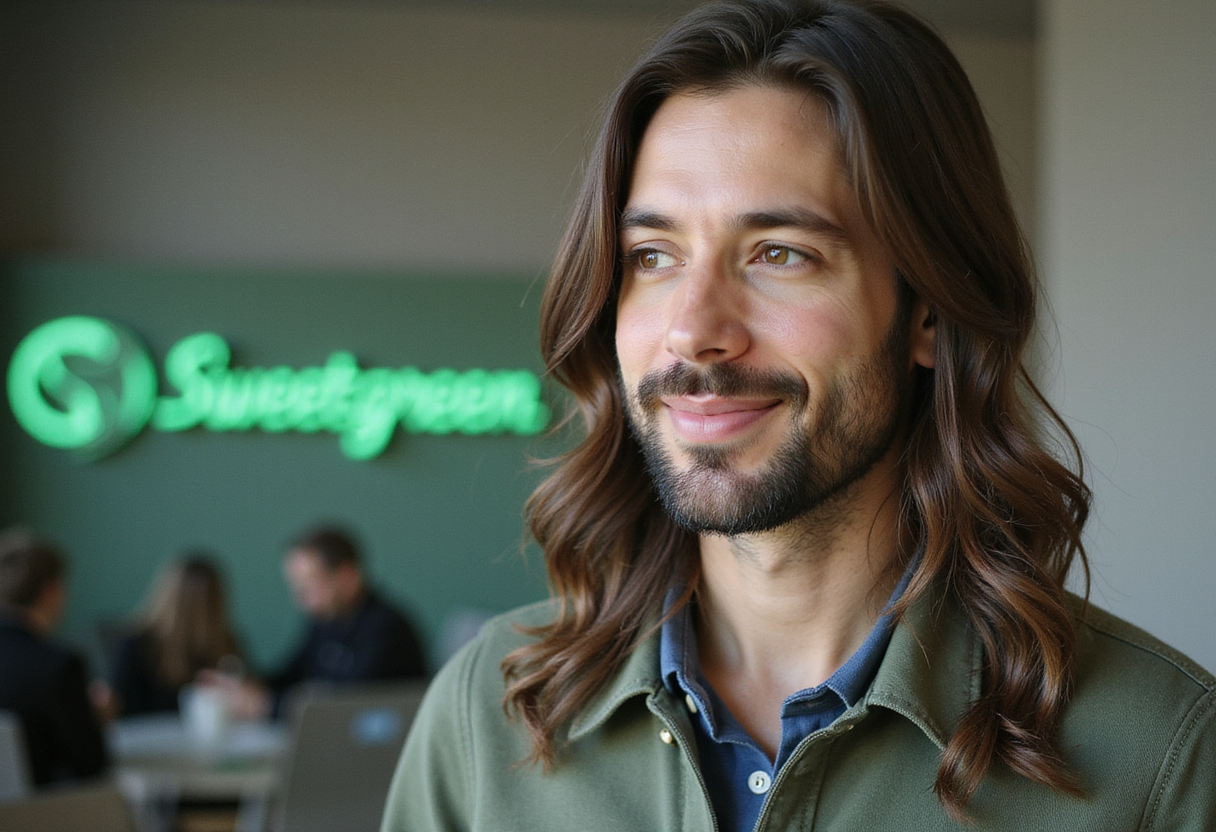
Sweetgreen's cofounder has broken his silence on three of the fast-casual salad chain's most disruptive episodes — stolen recipes, the cyclospora outbreak and the launch of the brand's first-ever chef-in-residence — in a new interview with Fortune, framed around a single management philosophy: "Never waste a crisis."
The interview touches on the theft of proprietary recipes, an issue that cuts directly to the heart of menu economics for a chain whose value proposition rests on signature dressings and bowls that competitors cannot easily replicate. Recipe theft strikes at sourcing arrangements and menu engineering — the proprietary builds that justify Sweetgreen's positioning above conventional fast food on price.
The cofounder also addresses the cyclospora outbreak that hit the chain — the food safety incident commonly tied to contaminated fresh produce, an exposure inherent to a menu built on raw leafy greens and uncooked vegetables. For produce-forward concepts, outbreaks of this kind carry outsized operational risk: traceability requirements, supplier audits and potential menu removals all carry direct costs, and fresh-produce supply chains leave limited kill-step options compared with cooked-food operators.
What is the chef-in-residence program?
The third strand of the interview covers Sweetgreen's first-ever chef-in-residence, a move that signals a deliberate shift in how the company builds menu items. Rather than relying solely on internal menu development, the program brings an outside culinary voice into the chain's menu engineering process — a common tactic among fast-casual operators seeking to refresh limited-time offers and sustain premium pricing against mounting competition in the better-for-you segment.
The cofounder's framing — "never waste a crisis" — suggests leadership views each of these episodes as an opening for structural change rather than a problem to be contained. Stolen recipes push the company to keep innovating ahead of imitators; the food safety incident forces scrutiny of produce sourcing; and the culinary hire builds new menu pipeline capacity.
The full Fortune interview provides the cofounder's detailed account of how the company managed each episode and what the chef-in-residence role will involve going forward.
More from Marcus Bennett
Show full bio
Market editor covering media and advertising at The Pass Brief.
243 articles