Staten Island 2026 roundup catalogs restaurant, grocer closures
SILive.com publishes a year-end roundup identifying Staten Island restaurants and a grocer that closed in 2026, framing the year with forward-looking site notes for borough operators.
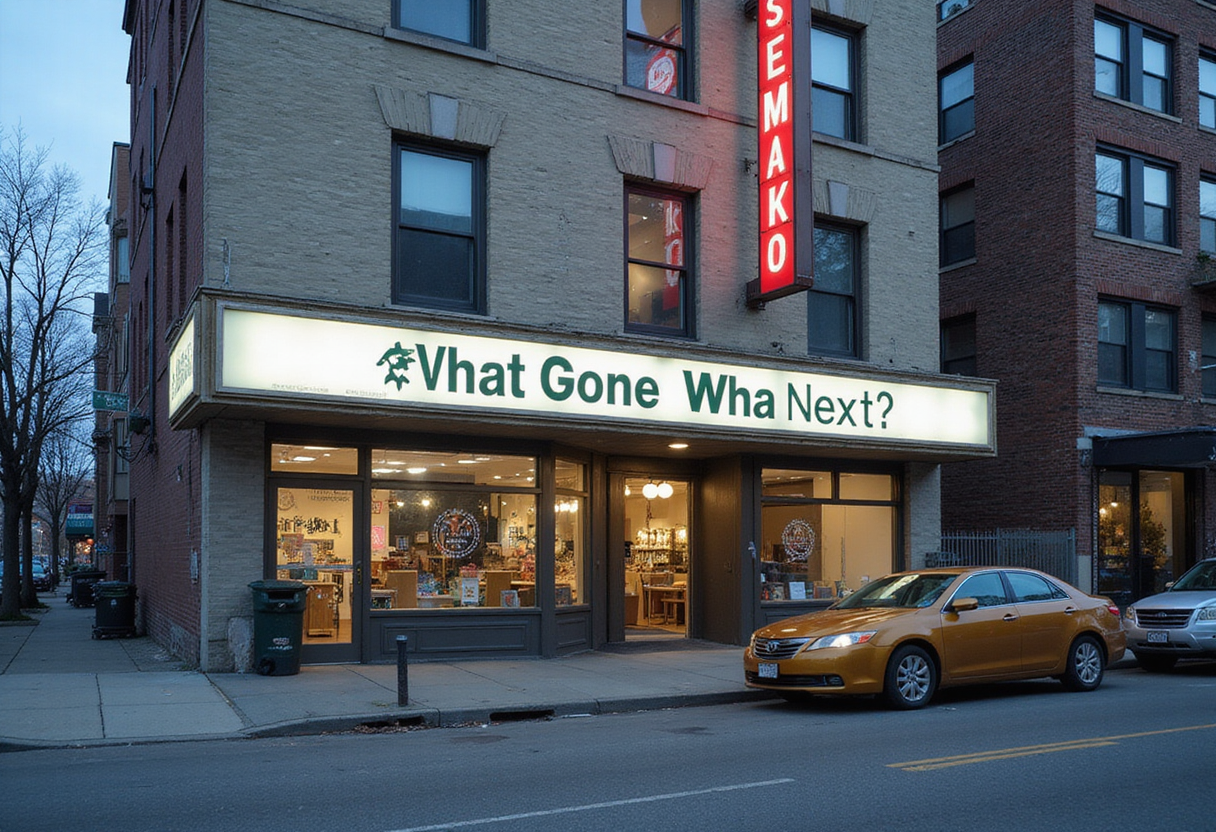
SILive.com, the Staten Island Advance's digital platform, published a year-end roundup titled "What's gone, what's next: Staten Island restaurants, grocer that closed in 2026," identifying restaurant operators and at least one grocer that exited the borough during the year.
Staten Island, New York City's southernmost borough, runs a distinct food-and-beverage economy anchored by neighborhood-scale independents and a handful of regional chain units. Closures in this market typically trace to a familiar set of operator-level pressures: lease renewals at post-pandemic rent multiples, owner succession gaps, and labor cost increases that compressed already thin neighborhood margins.
What the roundup format signals for operators
Local closure roundups serve a specific operator function: they consolidate information that lives across commercial real-estate listings, Department of Buildings records, and social media announcements into a single market scan. For landlords, brokers, and remaining operators, the consolidated list becomes a site-selection and competitive-set input.
A roundup that includes a grocer alongside restaurants indicates a broader retail stress signal. When a supermarket operator closes in a submarket, restaurant traffic often follows: grocery anchors drive foot counts that benefit adjacent food-service tenants, and the loss ripples through strip-center economics.
What the "what's next" framing actually delivers
The article's dual structure, pairing closure reporting with forward-looking site notes, reflects how borough markets reconfigure in practice. Closed restaurant boxes rarely stay dark for long in dense New York City submarkets. They typically reopen under a different concept within 12 to 18 months, often at lower rent bases negotiated after vacancy.
For multi-unit operators, closed single-unit sites in secondary boroughs have become acquisition targets as chains that previously concentrated growth in flagship Manhattan locations look for rent-adjusted expansion paths.
Where the roundup falls short analytically
The SILive.com roundup format is descriptive, not analytical. It identifies which operators closed and flags sites with redevelopment signals. It does not provide operator-level financial data such as check averages, food cost percentages, or labor ratios. Operators using the roundup for competitive intelligence should treat it as a site map rather than a margin study.
What Staten Island operators should plan against in 2027
For borough food-and-beverage operators, the year-end roundup arrives at a planning inflection point:
- Lease renewals negotiated through 2026 set 2027–2029 cost bases.
- Labor contracts reset annually in early calendar quarters for many chains.
- Concept refresh decisions typically lock in Q1 for spring openings.
The borough's restaurant and grocery count entering 2027 will reflect how operators positioned through the 2026 closure cycle, and whether the surviving base can absorb the displaced diner traffic from shuttered competitors without further consolidation.
More from Rebecca Stone
Show full bio
Senior reporter covering media and advertising at The Pass Brief.
225 articles