Snackification and Mocktails Top the Disruption List for F&B
The US Chamber names snackification and mocktails among trends disrupting food and beverage categories, with implications for sourcing, portioning and bar programs.
The US Chamber of Commerce has named "snackification" and mocktails among the trends now disrupting food and beverage categories, a signal that operator menu strategy is shifting toward smaller eating occasions and non-alcoholic drinks.
The designation matters because of who issued it. The Chamber is the country's largest business lobbying group, and its trend watch functions as a briefing for operators and suppliers rather than a consumer listicle. When it flags a category disruption, the intended audience is the one deciding procurement, menu engineering and capital allocation.
What is snackification?
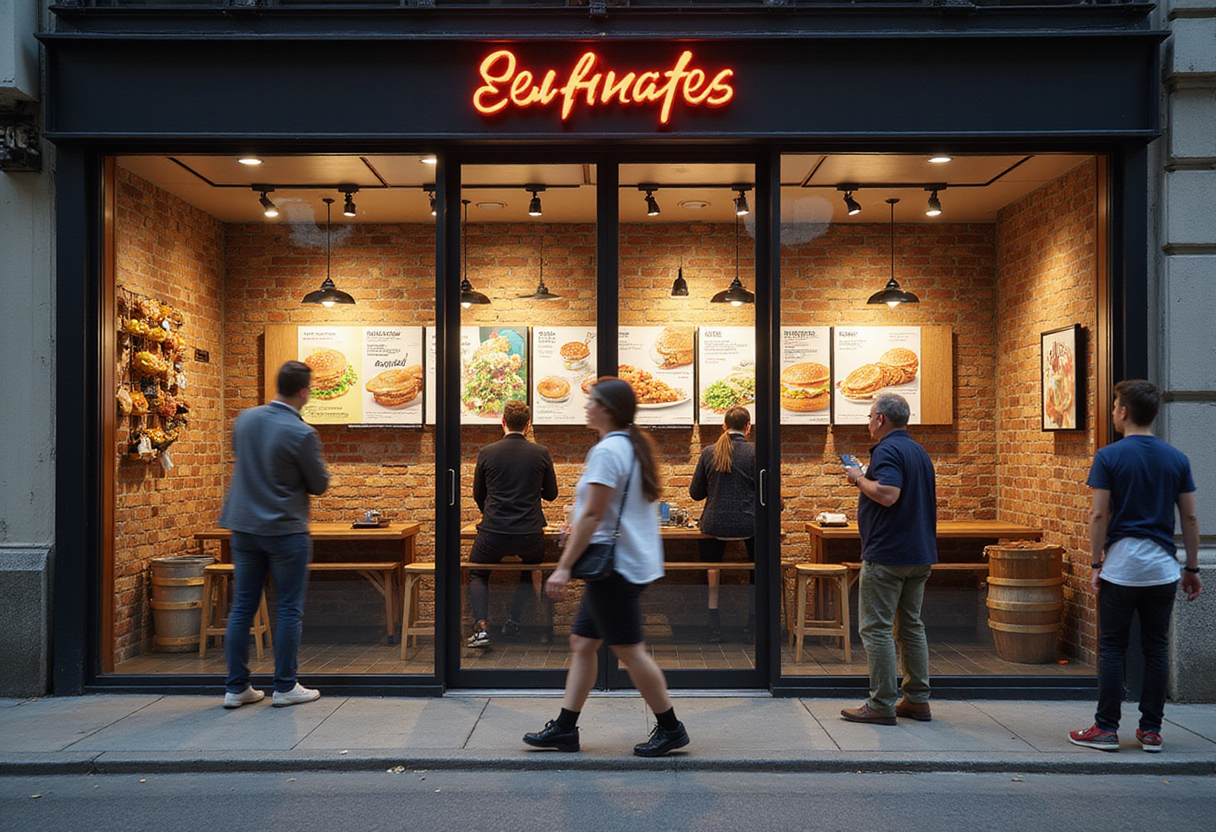
Snackification describes the shift from three structured meals toward multiple smaller eating occasions spread across the day. For operators, the trend lands on the menu board first: snack-sized portions, grab-and-go formats and daypart blurring between breakfast, lunch and afternoon sales.
The sourcing implications follow the menu ones. Smaller formats push kitchens toward portion-controlled inputs and packaging that travels, which changes cost of goods before a single item is priced. Chains that treat snacking as a daypart rather than an afterthought tend to rework pricing architecture accordingly, because a lower ticket only pays when volume and speed of service compensate.
Where do mocktails fit?
The second trend, mocktails, reflects rising demand for non-alcoholic drinks that carry the price point and presentation of cocktails without the alcohol. Beverage has long been the highest-margin category on most menus, and zero-proof programs let operators defend that margin with customers who are drinking less or not at all.
The disruption runs through the bar program rather than the kitchen. It demands syrups, verjus-style acids and non-alcoholic spirits on the order guide, and it raises a staffing question: whether a zero-proof list justifies dedicated build cards and training at the same level as the alcoholic one. Operators who price mocktails near cocktail levels are effectively betting that presentation and occasion, not ethanol, carry the check contribution.
Why a trade group is naming consumer trends
The Chamber's framing ties both trends to category disruption rather than passing preference, which is the distinction operators should note. A trend becomes a disruption when it forces changes to sourcing, format and pricing, not merely to flavor profiles. Both named trends clear that bar: snackification changes portioning and packaging, and mocktails change the beverage order guide and bar workflow.
For multi-unit operators, the practical question is sequencing. Snack formats and zero-proof lists both reward early movers with incremental daypart and beverage sales, but both require supplier commitments before the menu prints. Expect the Chamber and allied trade publications to keep scoring these categories by sales data as the year progresses.
More from Rebecca Stone
Show full bio
Senior reporter covering technology and product news in Restaurant and hotel operations at The Pass Brief.
332 articles